MTA is looking into using AI to monitor transit system cameras
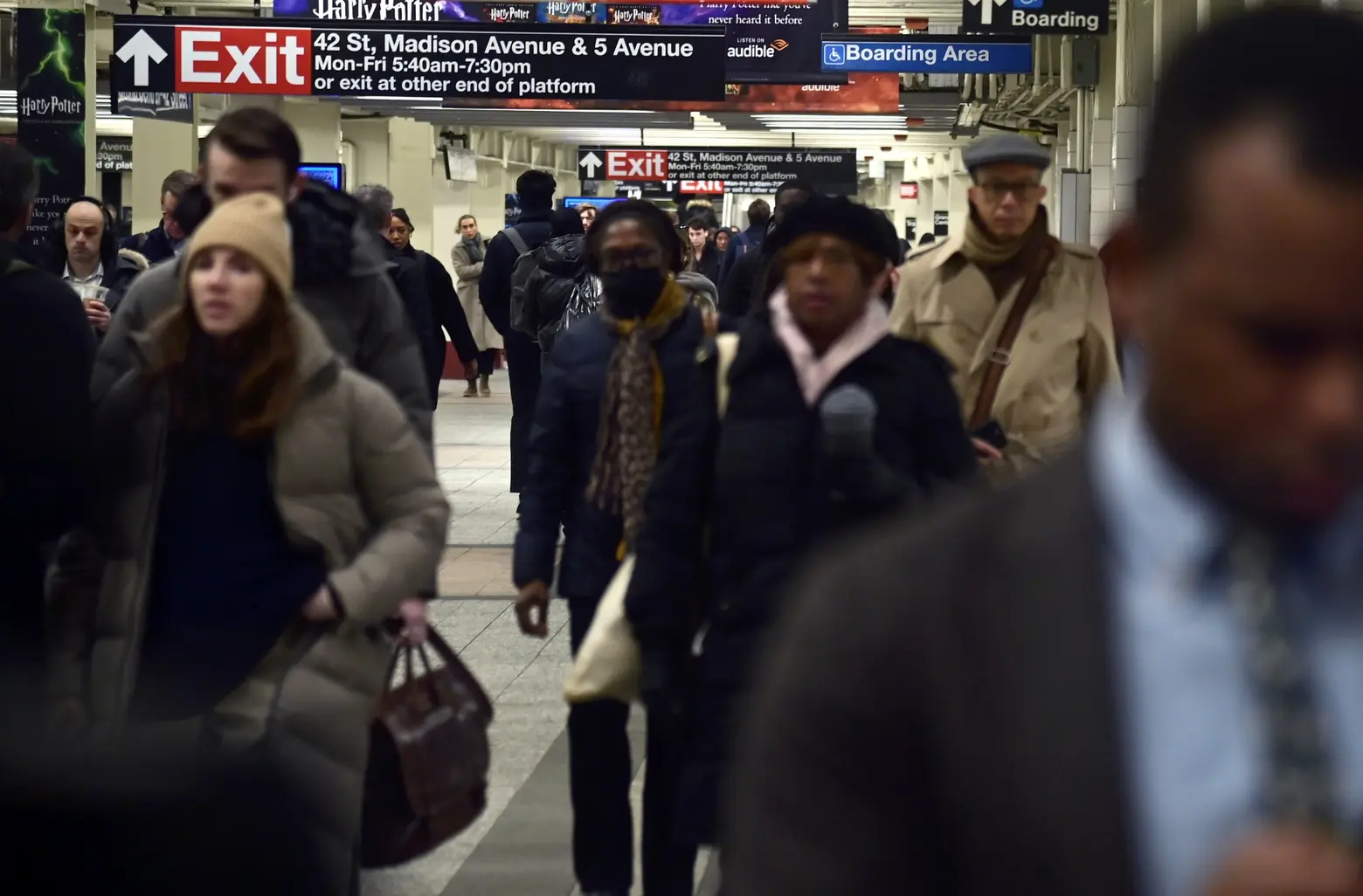
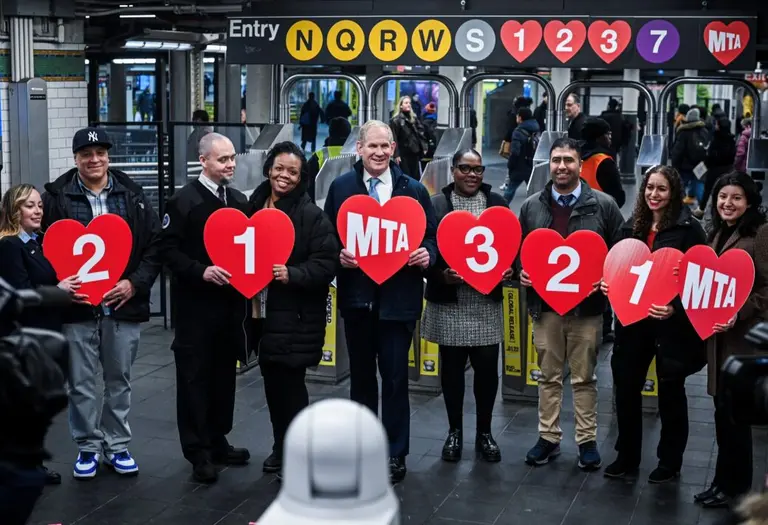
Credit: Marc A. Hermann / MTA on Flickr
The Metropolitan Transportation Authority has started exploring how artificial intelligence could be used to monitor the system’s more than 15,000 cameras to detect and predict unsafe behaviors, identify weapons or other dangerous objects, and recognize unattended items. As first reported by The City, the MTA said there’s been “interest across the board” from tech firms following a request for information issued by the agency in early December.
According to the request, the MTA is seeking information from qualified parties about a “scalable technology solution” based on “real-time analysis” of video feeds captured by the thousands of cameras installed in subway cars and buses.
The system would be used to detect prohibited items such as weapons and firearms, identify and monitor unattended objects like luggage or packages left behind for extended periods, and flag abnormal or unsafe conditions, including high-density crowd surges and potential stampede risks.
In the request, the MTA acknowledged shortcomings in its current surveillance system, noting that “with more than 15,000 cameras deployed across approximately 472 subway stations, current monitoring practices remain manual, reactive, and resource intensive.”
While the MTA has yet to deploy AI in its security surveillance systems, it has experimented with the technology to improve transit infrastructure safety. Last year, the agency installed Google Pixel smartphones equipped with AI software on the axles of select A line subway cars to detect and analyze potential track defects.
“There’s interest across the board,” Michael Kemper, MTA chief security officer, told The City. “It’s not only coming from the MTA, but from the business world, the AI business world, in working with us.”
Questions remain about potential privacy and surveillance concerns.
Jerome Greco, supervising attorney of The Legal Aid Society’s Digital Forensics Unit, told The City that the system’s ability to flag “unusual” or “unsafe” behavior in public transit could lead to “very negative” interactions with police and other serious concerns.
“These uses of AI are not like Netflix telling you what movie you should watch next,” Greco said. “The consequences of it being wrong could be pretty significant and I think that’s something the MTA should not be so cavalier about.”
While the effort would be “grounded in advanced video analytics and AI,” the MTA says that it would also require a team of subject matter experts in behavioral science and psychology to share their expertise on human behavior in public transit environments.
These certified experts would help define “unusual” or “unsafe” conditions and behaviors, interpret “context-sensitive” actions, and ensure the system’s detection logic aligns with “real-world social dynamics.”
A key goal of the effort is to reduce false positives, an issue that plagued a 2024 subway weapons-detector pilot launched under former Mayor Eric Adams and the NYPD. During the monthlong trial, AI-powered detectors conducted more than 3,000 searches at 20 stations but uncovered just 12 knives, no guns, and more than 100 false positives, according to The City.
New fare gates being tested at 20 stations across the five boroughs also use AI. Designed by Cubic, the company behind OMNY, the modernized gates rely on cameras and AI to detect wheelchairs, children, and fare evasion, according to NY1.
RELATED: