Mamdani releases 170,000 pages of long-shielded records on Ground Zero air quality after 9/11
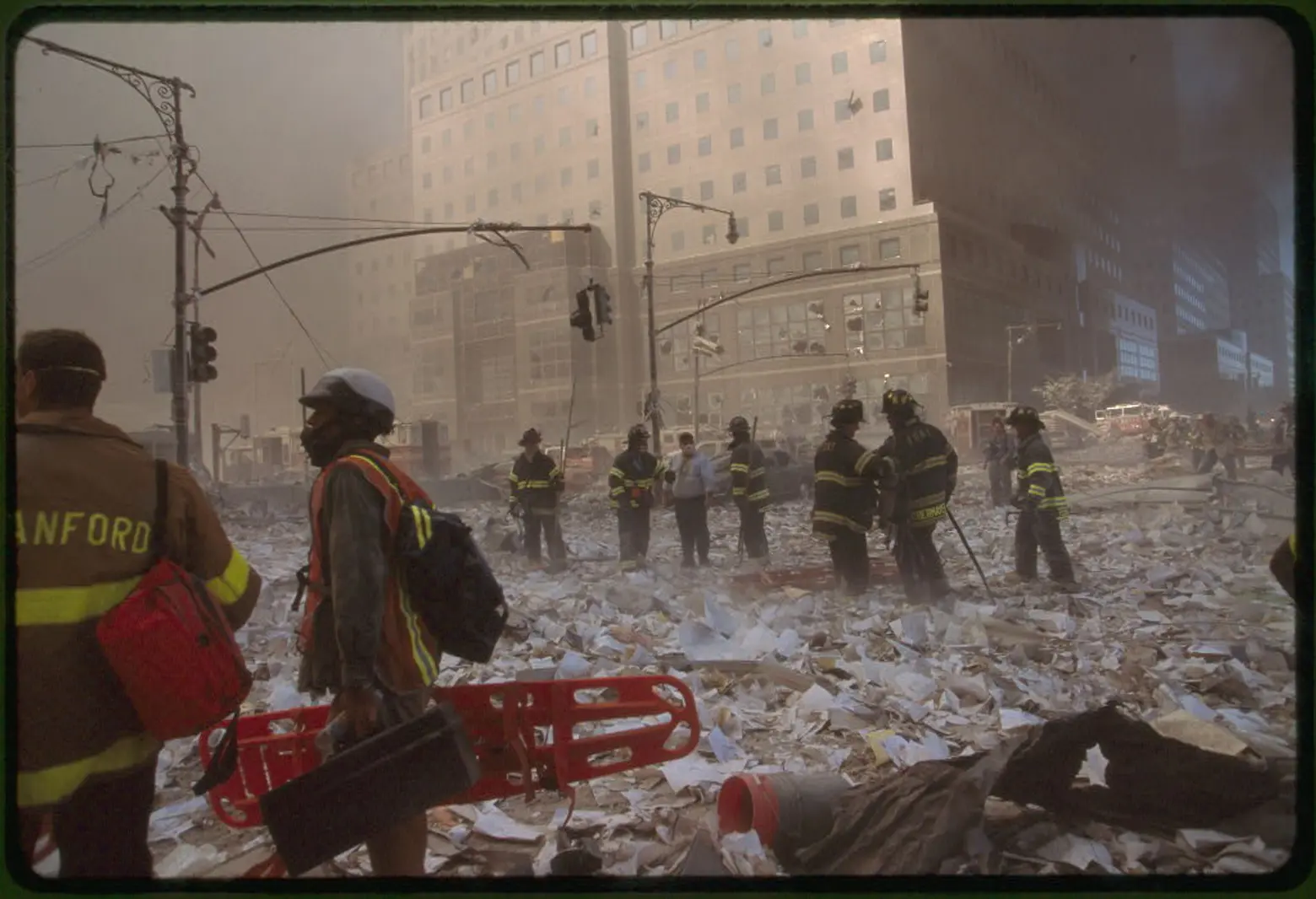
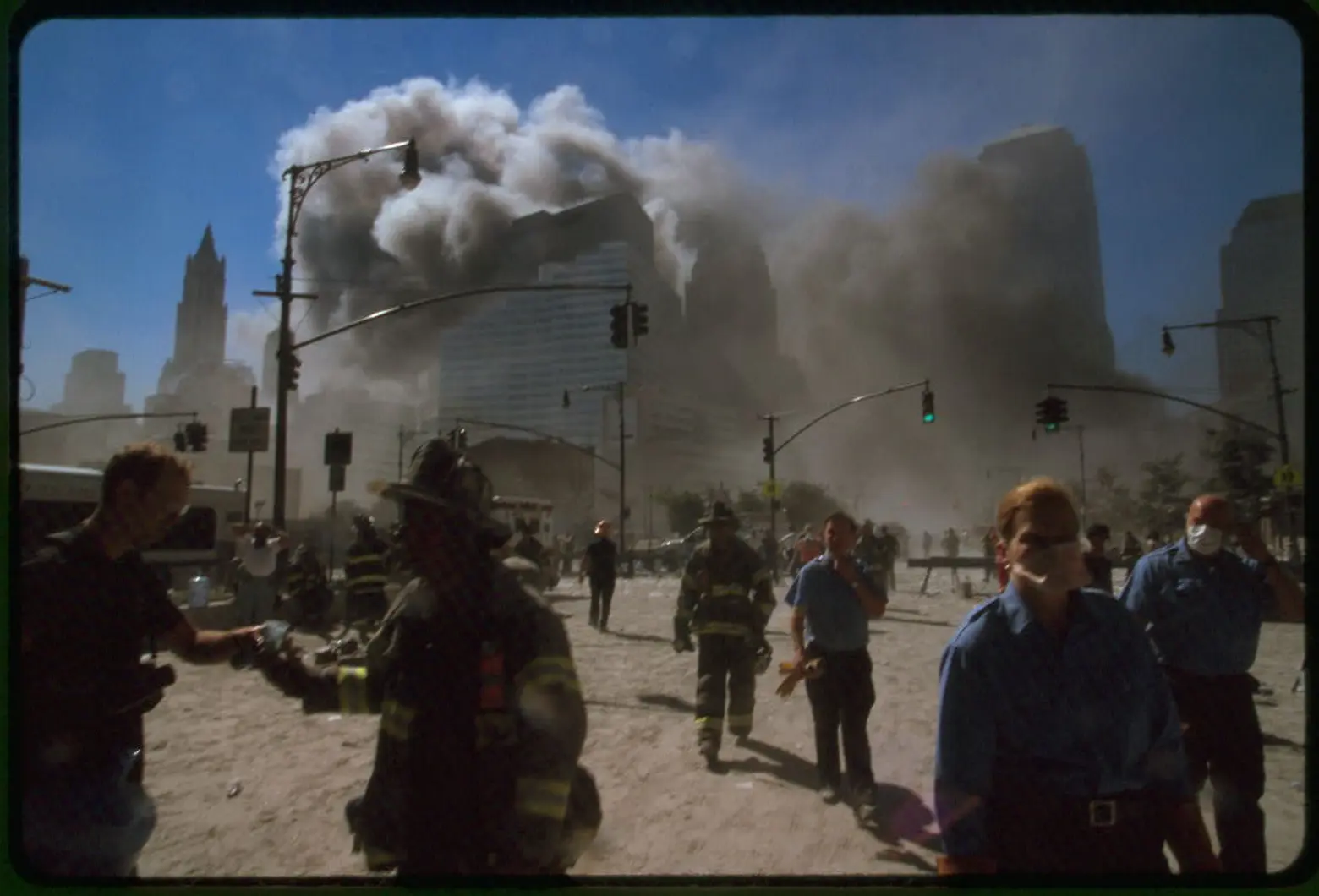
Photo courtesy of the Prints and Photographs Division. Library of Congress.”For information see “Unattributed 9/11 Photographs,” http://hdl.loc.gov/loc.pnp/res.297.unat
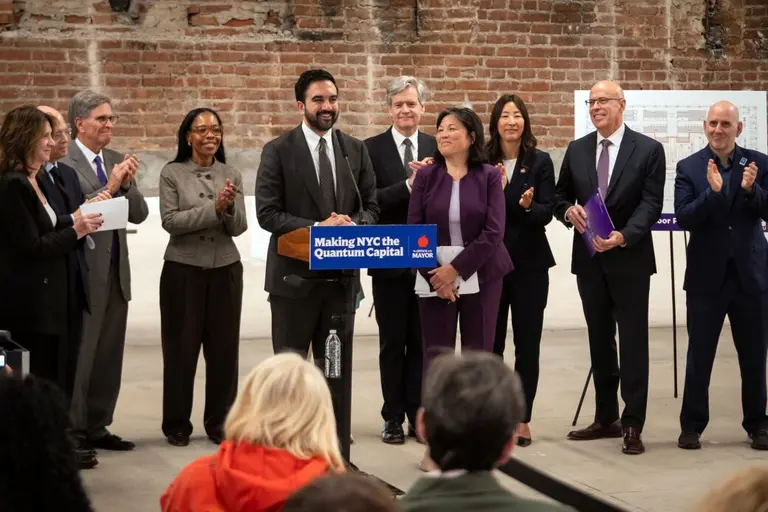
For nearly 25 years, 68 boxes of records related to New York City’s response to the 9/11 terror attacks remained out of public view in a city office. Now, New Yorkers will have the opportunity to see documents that shed new light on what government officials knew about the dangers posed by toxic air around Ground Zero and what information was withheld from the public. Mayor Zohran Mamdani on Tuesday released more than 170,000 pages of records through a public portal, including documents related to air quality, health concerns, and the city’s response to the attacks. The release settles two Freedom of Information Law requests (FOIL) over access to the records and includes the “Harding Memo,” a 2001 internal city document that warned the city could face as many as 35,000 potential liability claims related to the aftermath of 9/11.
City lawyers announced last year they had found the records, decades after claiming they could not locate the documents. The Department of Investigation (DOI) then said it was preparing to receive “volumes of data” from city agencies, according to the Daily News.
The city collected, scanned, and archived the records in the three months following the attacks before sending them to an insurance company called Captive for safekeeping in case of “potential litigation.”
Released just days before the 25th anniversary of the attacks, the records offer a glimpse into the chaos within city government in the months following the event.
Survivors and first responders have dealt with persistent health problems long after the dust settled. Illnesses related to the attacks have killed more people than those who died on 9/11 itself, with many deaths linked to lung and blood cancers, as well as heart and respiratory diseases, according to the New York Times.
The release fulfills the wishes of first responders, elected officials, and victims’ families, who for years have urged the city to make the documents public, as those affected by the attacks continue to face long-term health effects.
Documents include the “Harding Memo,” a damning 2001 record that reflects the city’s internal awareness of the dangerous air conditions at Ground Zero following the attacks.
The memo, sent to then-Deputy Mayor Robert Harding, shows that the city’s Law Department focused on limiting the city’s liability rather than mitigating the risks contaminated air posed to responders and residents, according to 9/11 Health Watch.
City officials continued to claim that the air in Lower Manhattan was “safe and acceptable” through February 2002, even as the records show that officials were aware of significant concerns about the air’s safety, including elevated levels of asbestos nearly 10 months after the attacks.
The New York Times, which received advance access to the records, reported that a draft DEP document identified locations where some dust samples exceeded asbestos limits in the days after 9/11, while another review found benzene spikes near Ground Zero and increased asbestos concentrations at the Fresh Kills landfill.
An unidentified author wrote the one-page “Clean Up Initiative” on May 16, 2002. The note describes discussions over a cleanup effort involving city and federal agencies, documenting how the Law Department wanted testing conducted before work began but expressed concerns that FEMA could “balk at paying” for a broader cleanup if testing first showed that conditions were fine, according to amNY.
It also includes a discussion about wording in letters connected to the cleanup. The writer says they told Steve Haggerty, a FEMA worker under Brad Gair, who led the federal recovery effort, that “we would not use the word ‘risk’ in any letters as it would defeat the purpose of creating public confidence.”
The city’s Law Department will add additional documents to the portal over the next year as it reviews the remaining records and removes personally identifiable information. The Mamdani administration allocated $34 million in the fiscal year 2027 budget to create and maintain the public records portal.
The administration will also appoint dedicated staff at the Department of Citywide Administrative Services and NYC Public Schools to coordinate the retrieval of records for New Yorkers seeking to determine whether they were exposed to toxic air around Ground Zero and to help them access assistance through the World Trade Center Health Program and the September 11th Victim Compensation Fund.
“Administration after administration has ignored those calling for answers and clarity, instead choosing to bury them in legal arguments and red tape,” Mamdani said. “We will do no such thing. As we mark 25 years, it is time for this painful chapter to end.”
“The very least our city owes the families, survivors, and first responders whose lives were forever changed by the 9/11 attacks is transparency and accountability,” he added.
While the records’ release resolves previous litigation, they may expose the city to new or amended lawsuits.
While it sheds light on the city’s awareness of the dangers surrounding Ground Zero, the portal does not resolve the larger questions of who knew what about the conditions, when they knew it, and why the documents remained unavailable for so long.
The DOI’s two-year investigation into the city’s handling of post-9/11 air quality information, mandated by the City Council in 2025, could provide more clarity on those issues. Earlier this year, the department told the Council it needed $4 million to hire an outside firm to help locate and review records, according to amNY.
A DOI official said the investigation is running on a “parallel track” and specifically aims to determine who knew what, when they knew it and why officials made particular decisions. Investigators will also have access to records included in the portal.
Despite the portal’s release of previously undisclosed documents, a major win for transparency and accountability for survivors, first responders, and victims’ families, Mamdani has come under fire from some victims’ family members and elected officials who say he should not attend the annual 9/11 remembrance ceremony.
The controversy stems from the mayor’s appointment of Ramzi Kassem as the city’s chief legal counsel. Critics have pointed to Kassem’s past legal representation of a convicted al Qaeda member whose brother-in-law was among the terrorists who hijacked the plane that struck the Pentagon on 9/11, according to ABC7.
A petition signed by families of 9/11 victims urging the mayor not to attend had gathered nearly 100,000 signatures as of Tuesday. Former Mayor Rudy Giuliani, as well as former Gov. George Pataki, have also said Mamdani should not attend.
RELATED: