Long Island Rail Road strike ends as MTA and unions reach tentative deal
Credit: Marc A. Hermann / MTA on Flickr
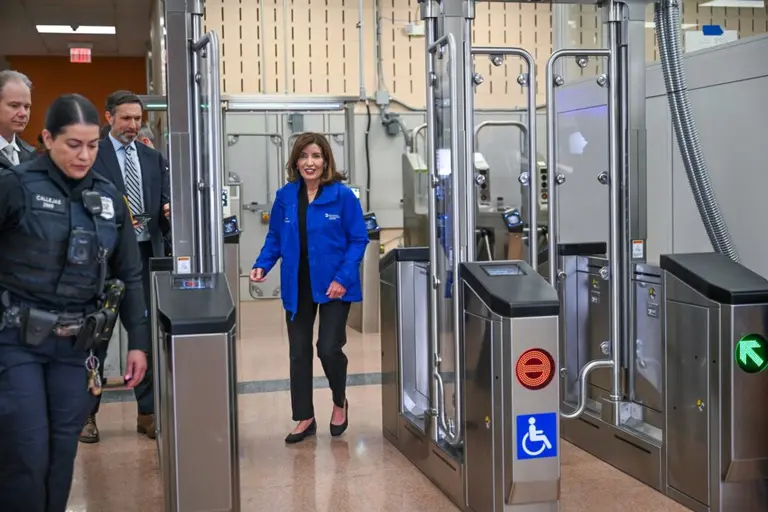
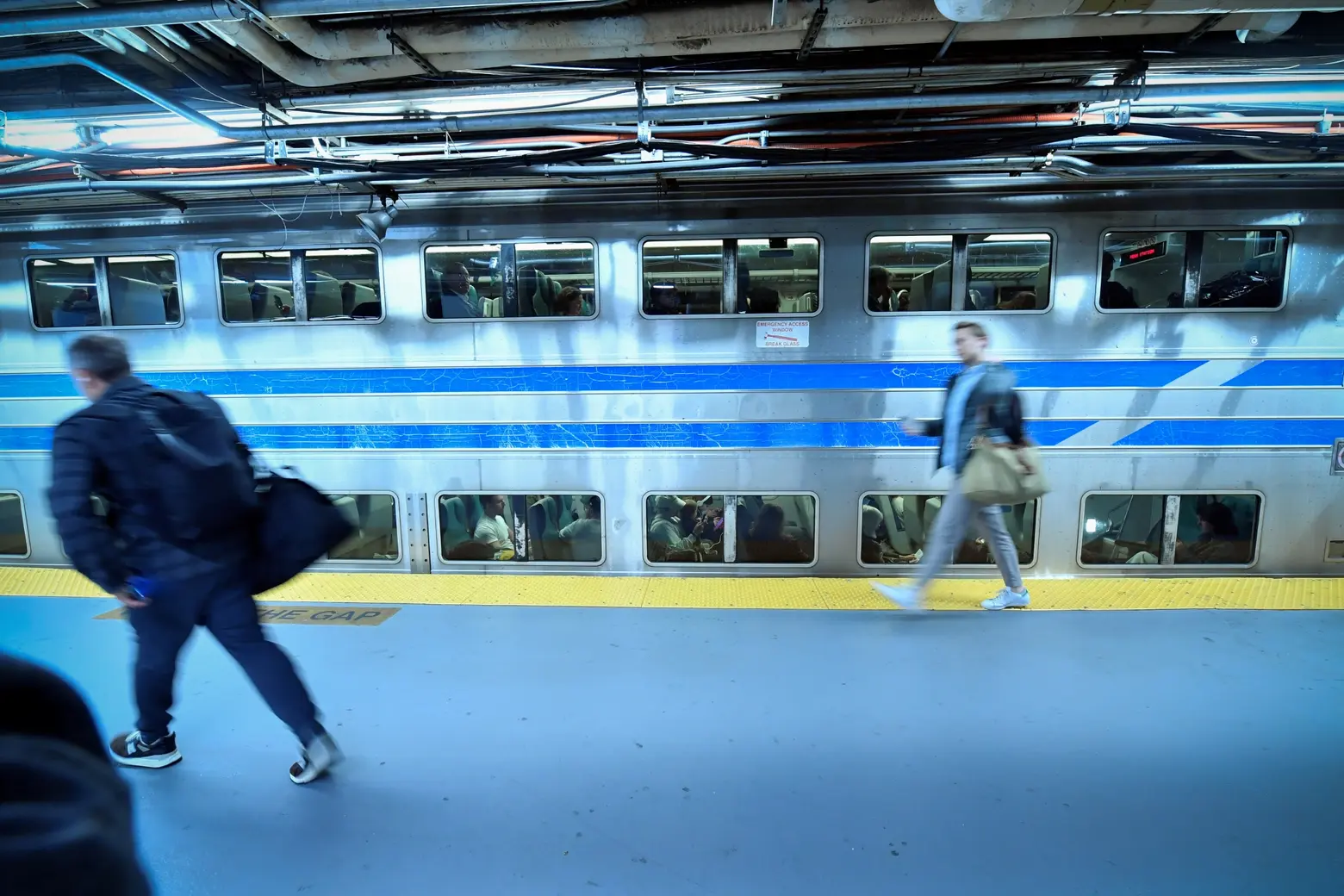
Long Island Rail Road service will resume at 12 p.m. on Tuesday after the five unions behind the agency’s first strike in more than 30 years reached a tentative deal with the Metropolitan Transportation Authority. Gov. Kathy Hochul announced Monday night that the two sides had reached a “fair deal” that would not require additional fare hikes or tax increases. Details of the tentative agreement have not yet been released, as the deal must still be ratified by union members and approved by the MTA board.
“I would not accept a deal that would compromise affordability for Long Islanders,” Hochul said. “At a time when everything is going up, I was not going to allow taxes or fares to go up. That’s why we stood firm for a deal that would not require any additional fare increases or tax increases.”
“This contract will ensure that 3,500 Long Island Rail Road employees will be paid fairly for their labor,” she added. “I want them to know this, I deeply value and respect the hard work they do. Their work is critical for the entire region, and they deserve a fair wage.”
Limited service resumes on Tuesday, but commuters are still encouraged to work from home. The first trains will operate on the Babylon, Huntington, Port Washington, and Ronkonkoma branches starting at 12:14 p.m. The MTA also ran limited shuttle bus service on Tuesday from 4:30 a.m. to 9 a.m. to Manhattan and to Long Island from 3 p.m. to 7 p.m.
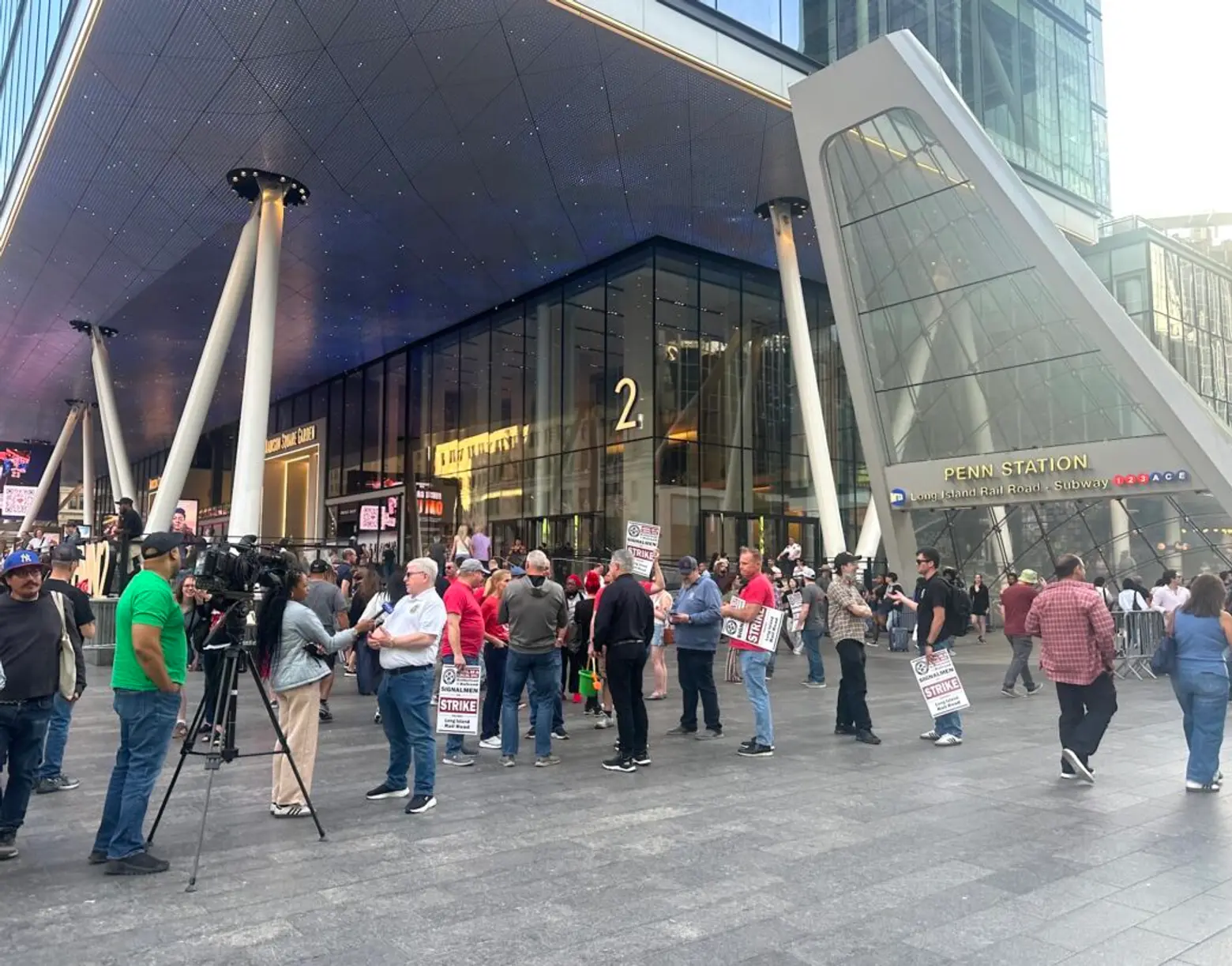
The five-union coalition went on strike Saturday after years of unsuccessful negotiations with the MTA over a new contract. The unions have not had a contract since 2023. Talks repeatedly stalled over wages and healthcare premiums, with workers pushing for a 14.5 percent raise over four years, which they say is necessary to keep pace with inflation.
A strike was narrowly avoided last September after the unions asked the Trump administration to establish an emergency board to help broker a deal with the MTA over wage increases, but the effort did not result in an agreement.
The coalition is made up of 3,500 workers from the Brotherhood of Locomotive Engineers and Trainmen, the Brotherhood of Railroad Signalmen, the International Association of Machinists and Aerospace Workers, the International Brotherhood of Electrical Workers, and the Transportation Communications Union.
Before the strike began Saturday, both sides had agreed to retroactive wage increases of 3 to 3.5 percent for each of the past three years. However, a pay increase for this year remained a sticking point, with unions originally seeking a 6.5 percent raise and the MTA seeking to cap it closer to 3 percent, according to Time.
Janno Lieber, chairman and CEO of the MTA, said the union’s wage demands would “implode” the agency’s budget, noting that the average salary for workers in the five unions is $136,000, among the highest for rail workers nationwide, as 6sqft previously reported.
While details of the agreement have not been released, the MTA reportedly pushed for several work-rule reforms, according to Gothamist. These include eliminating double pay for engineers who drive a diesel and electric locomotive during the same shift, and restrictions that prevent ticket clerks from performing additional tasks, as most LIRR customers pay their fares digitally.
The four-year agreement includes retroactive pay but expires in July 2027, according to Gothamist. In a statement, Mark Wallace, president of the BLET and the Teamsters Rail Conference, praised the agreement and the dedication of rail workers.
“Throughout these negotiations, our members stood together for a fair agreement that recognizes the dedication and sacrifices railroad workers make every day while keeping pace with the rising cost of living,” Wallace said.
“This was never about seeking more than what is fair—it was about securing the respect and economic security our members have earned,” he added.
LIRR service remained suspended Tuesday morning because there was not enough time for the agency to deploy crews to operate trains.
The three-day strike was the first since 1994, when LIRR workers walked off the job for two days over pay and work-related rules. The strike ended with then-MTA Chairman Peter E. Stangl conceding to the union’s demands, as 6sqft previously reported.
RELATED: