History

March 27, 2018

Downtown’s historic glass sidewalks may become a lost relic

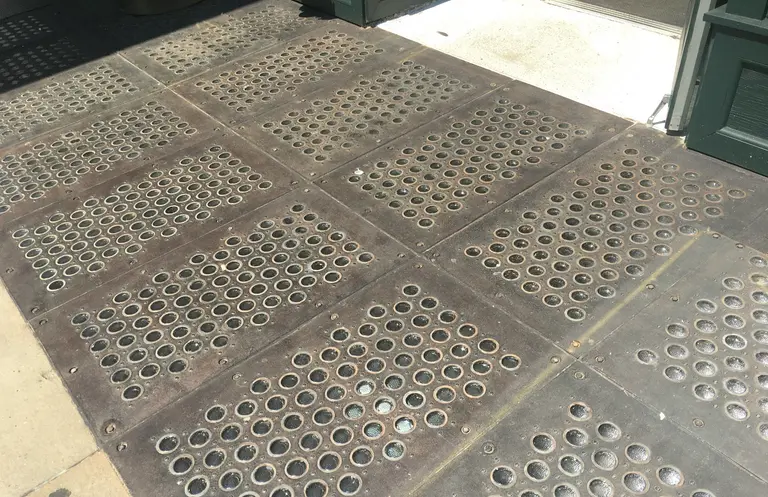
Last week, 6sqft outlined the Landmarks Preservation Commission's series of new proposed rules, which "calls for more oversight by LPC staff but less time for public review" in proposals for alterations to historic buildings. But these rule changes extend further than buildings--right down to the sidewalks. As Treehugger first pointed out, one of the LPC's new rules pertains to the removal of vault lights--historic sidewalks made from small circular glass bulbs that are seen throughout Soho and Tribeca. As 6sqft previously explained, "the unique street coverings are remnants from the neighborhood's industrial past when they provided light to the basement factories below before electricity was introduced."
READ MORE
March 26, 2018

Carole Teller’s ‘Changing New York’ captures the city’s 20th-century transformation

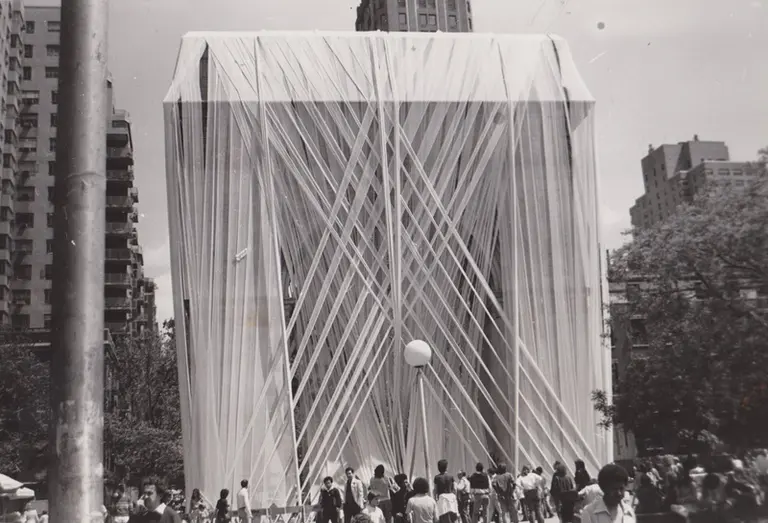
Change in New York is an expected norm, sometimes so constant it almost goes unnoticed. It’s such an ingrained part of the New Yorker’s experience, we often forget just how much our city has transformed, and what we have left behind. To help us remember, we have Carole Teller. A Brooklyn-born artist who’s lived in the East Village for over 50 years, Carole’s also a photographer with a keen eye for capturing defining elements of New York’s cityscape, especially those on the verge of change or extinction. Fortunately for us, Carole kept the hundreds of pictures she took scouring the streets of NYC between the early 1960s and early 1990s. She recently unearthed them and shared them with the Greenwich Village Society for Historic Preservation for inclusion in its online Historic Image Archive. What follows are just a few photos from what we call “Carole Teller’s Changing New York.”
See some of the most captivating photos
March 22, 2018

Life behind the stacks: The secret apartments of New York libraries

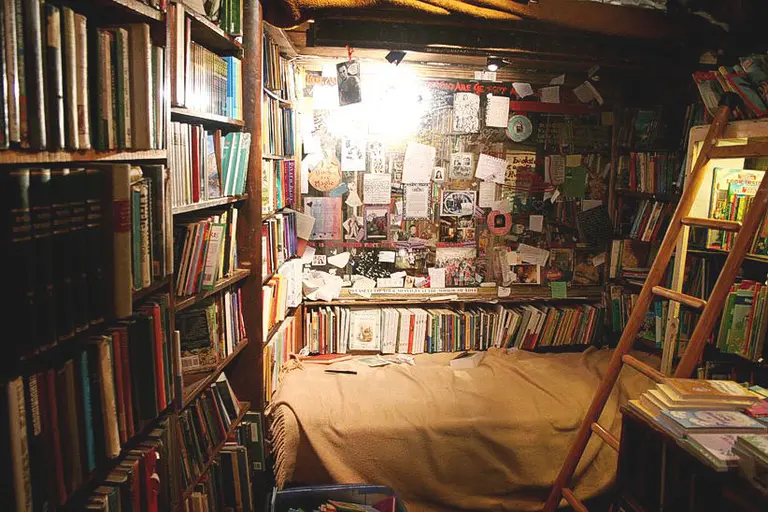
For many book lovers, there is nothing more exciting than the idea of a home library. What most of the city’s book lovers don’t know is that until recently, there was an affordable way to fulfill the dream of a home library—at least for book lovers who also happened to be handy with tools. In the early to mid twentieth century, the majority of the city’s libraries had live-in superintendents. Like the superintendents who still live in many of the city’s residential buildings, these caretakers both worked and lived in the buildings for which they were responsible. This meant that for decades, behind the stacks, meals were cooked, baths and showers were taken, and bedtime stories were read. And yes, families living in the city’s libraries typically did have access to the stacks at night—an added bonus if they happened to need a new bedtime book after hours.
FInd out more about these apartments and the people who lived in them
March 21, 2018

The Urban Lens: Carrie Boretz remembers NYC street life in the 70s, 80s, and 90s

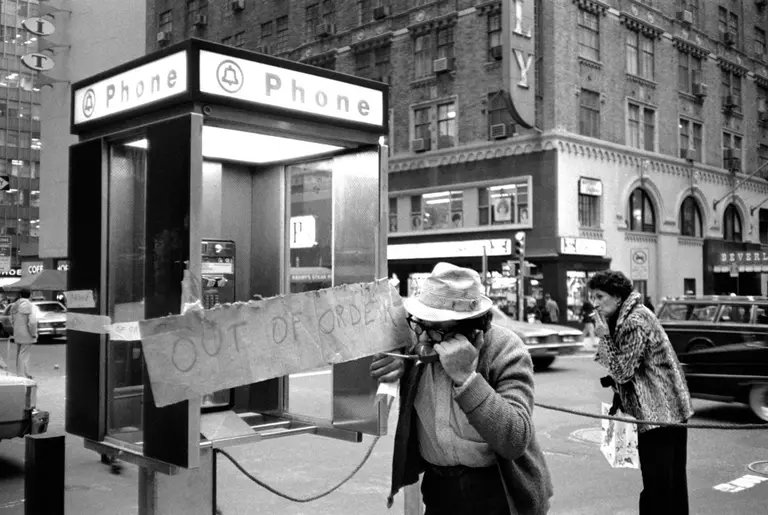
6sqft’s series The Urban Lens invites photographers to share work exploring a theme or a place within New York City. In this installment, Carrie Boretz shares photos from her "Street: New York City 70s, 80s, 90s". Are you a photographer who’d like to see your work featured on The Urban Lens? Get in touch with us at [email protected]. In New York's bad old days, the city was a house of horrors, but it made for some incredible photos. Carrie Boretz was there through the decades, documenting the madness and the emotion, the cops lunching on park benches, the conversations on out-of-order payphones, the open-air wig stores, the famous and the unknown, all joined by the city and its streets. In her new book, "Street: New York City 70s, 80s, 90s," these images line the pages in a nostalgic time warp to a glorious, if troubled, era. Boretz's photos are currently on display through March 31st at Umbrella Arts on East 9th Street.
See New York when she burned
March 15, 2018

Central Park’s Ladies Pavilion and the disappeared ice skating cottage

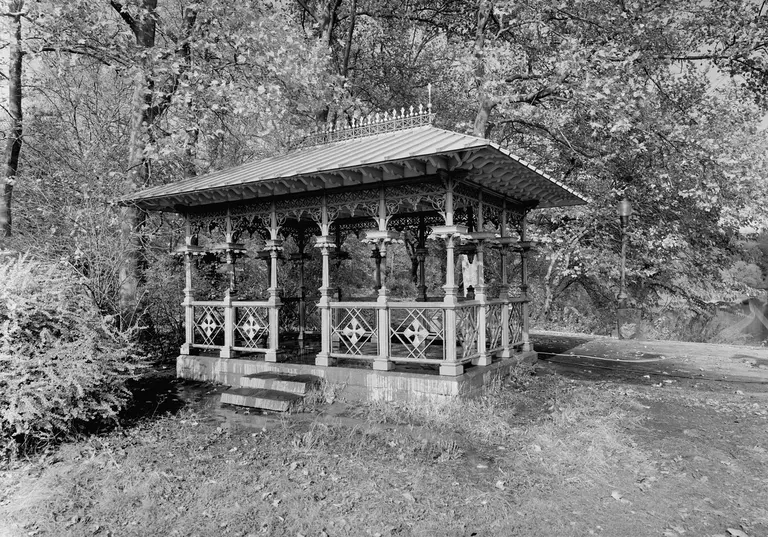
To get to Central Park's Ladies Pavilion, it is necessary to go on, by New York City standards, a bonafide nature hike. Perched at the edge of the Lake, in a far corner of the Ramble, the cottage-like, open-air, Victorian-style structure was built in 1871 to serve as a "shelter for the horsecar passengers" near Columbus Circle, according to the New York Times.
It was once destroyed
March 15, 2018

Brownstones and ballot boxes: The fight for women’s suffrage in Brooklyn

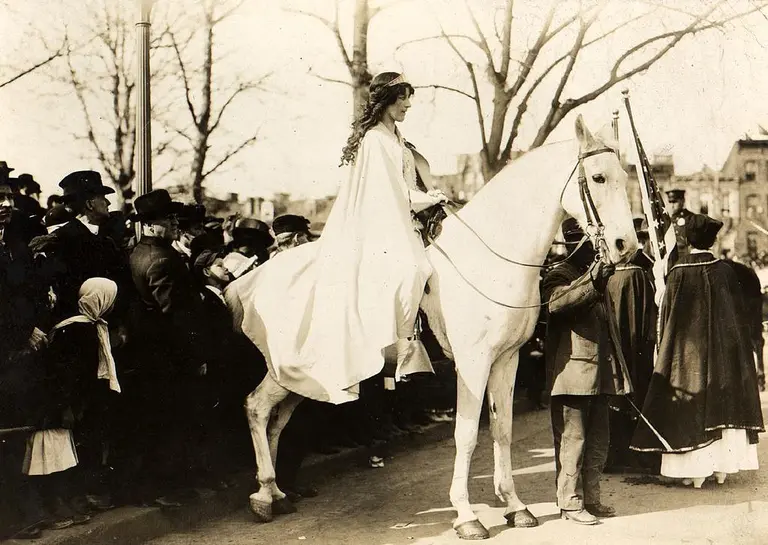
Today, Brooklyn is home to all things avant-garde, but Kings County has always led the pack. Beginning as early as 1868, the women of Brooklyn established one of the first suffrage organizations in the country and began advocating for women’s enfranchisement and political equality. The "wise women of Brooklyn," as they were lauded in suffrage literature, made some of the foremost contributions to the movement. From the Silent Sentinels, who organized the first March on Washington, to the African American women who established the nation’s first suffrage organization by and for Black women, Brooklyn was home to extraordinary advocates. Here are eight badass Brooklynites who brought us the ballot.
Learn their histories here
March 14, 2018

When New York women were banned from smoking in public

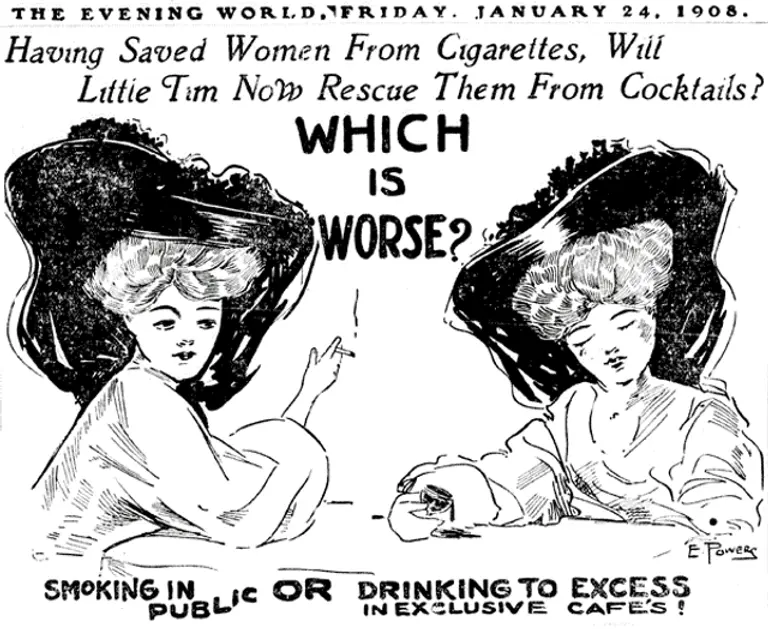
On January 21, 1908, it became illegal for women to smoke in public in New York City. That day, the Committee on Laws of the Board of Aldermen unanimously voted to ban females from lighting up in public places. The law, called the Sullivan Ordinance, put the responsibility of preventing women from smoking not on the women themselves but on business owners.
The full history
March 13, 2018

Hotel Chelsea doors from the rooms of Andy Warhol, Jimi Hendrix, and more coming to auction

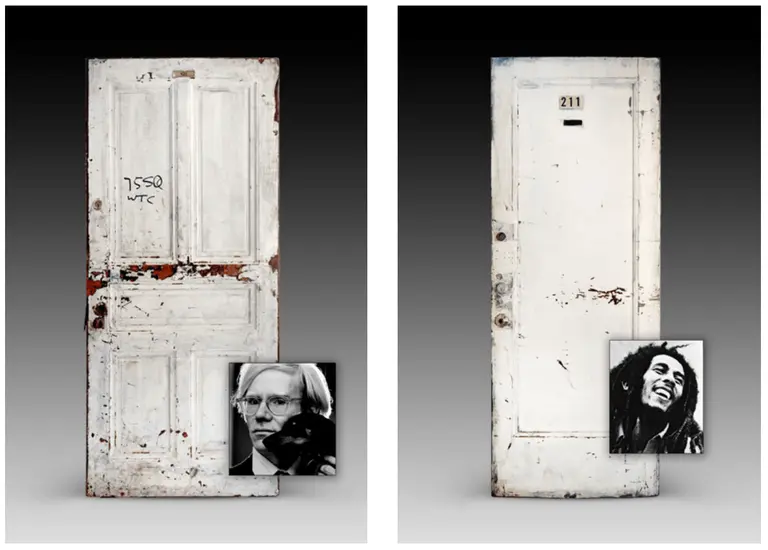
Up until its first controversial sale to developers in 2011, drama at the Chelsea Hotel was reserved to its longtime list of celebrity occupants. From being the site where Sid Vicious reportedly stabbed his girlfriend to death to where Dylan Thomas went into a coma just before dying to the home of Madonna in the '80s, the landmark is more associated with NYC characters and culture than perhaps anywhere else. And now average New Yorkers will have the rare opportunity to own a piece of this history. amNY reports that Guernsey's auction house will be selling 55 original doors from the hotel, which, after "exhaustive research," can be traced "to the iconic individuals who lived behind them," including Andy Warhol and Edie Sedgwick, Jimi Hendrix, Bob Marley, Janis Joplin, Jack Kerouac, Humphrey Bogart, Thomas Wolfe, Jim Morrison, and Jackson Pollack.
Get all the details
March 1, 2018

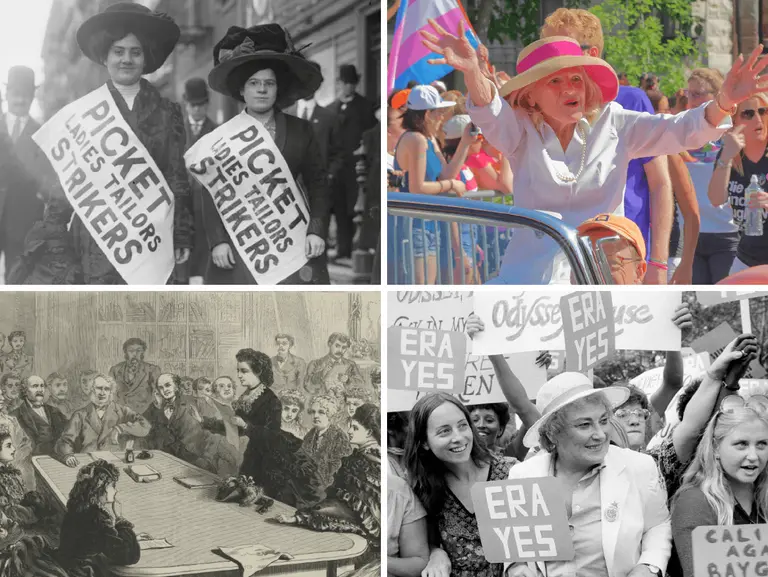
15 female trailblazers of the Village: From the first woman doctor to the ‘godmother of punk’

Greenwich Village is well known as the home to libertines in the 1920s and feminists in the 1960s and '70s. But going back to at least the 19th century, the neighborhoods now known as Greenwich Village, the East Village, and Noho were home to pioneering women who defied convention and changed the course of history, from the first female candidate for President, to America’s first woman doctor, to the "mother of birth control." This Women’s History Month, here are just a few of those trailblazing women, and the sites associated with them.
Learn all about these amazing women
February 28, 2018

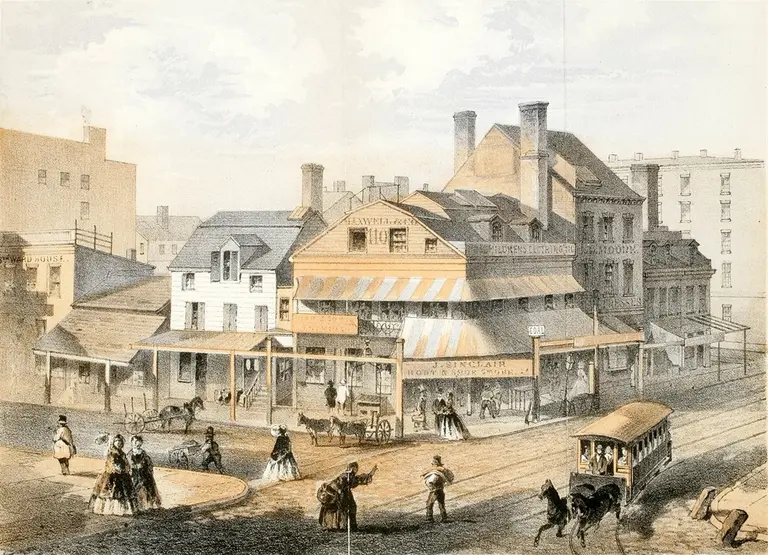
Elizabeth Jennings: The woman who helped desegregate NYC streetcars

In 1854, 99 years before Rosa Parks refused to give up her seat to white passengers in Alabama, another brave African American woman forever changed local transit with her bravery. Elizabeth Jennings is not a household name, or even well-known, but her brave refusal to cow to 20th-century America’s racist customs and fight for her rights is historic, and the results of her actions have rippled down over the decades.
The whole history
February 26, 2018

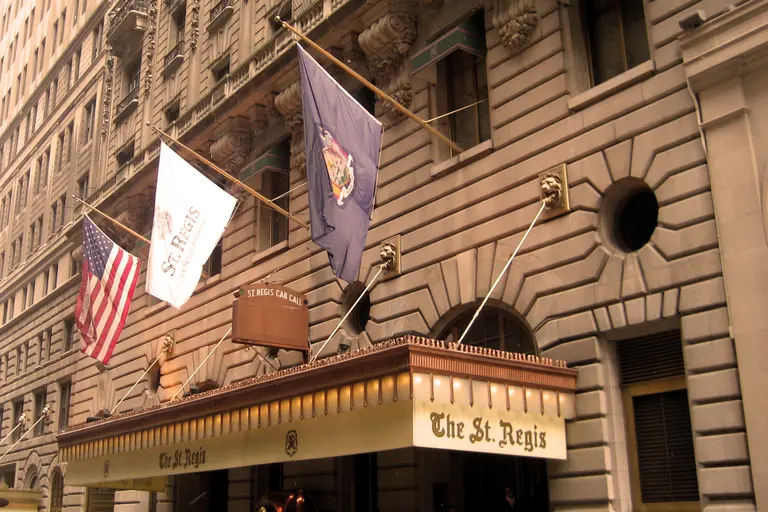
Highly elegant and highly classified: The history of espionage at the St. Regis

You know that Old King Cole had a pipe and bowl, but did you know he also had a cloak and dagger? New York’s hyper-illustrious St. Regis Hotel, home to the famous King Cole Bar, has a clandestine pedigree that goes straight to its core. Founded by a family of spies, the Hotel became headquarters for the nation’s wartime spy service, and in the process helped inspire not only the Bloody Mary cocktail but also the Invasion of North Africa.
Read on for the history of Midtown’s preeminent spy den
February 23, 2018

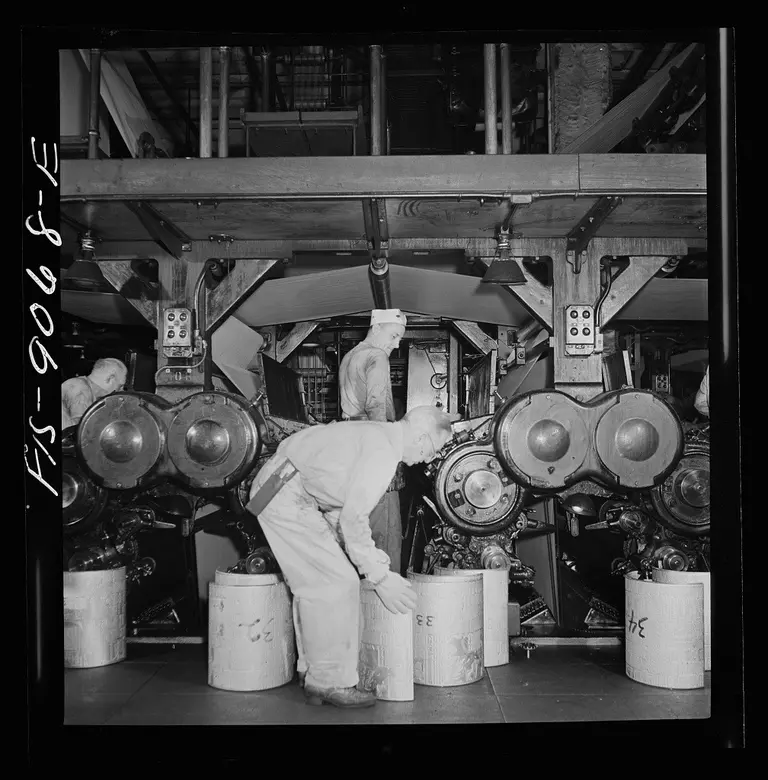
The Urban Lens: Vintage photos show the New York Times’ 1940s printing process

In September 1942, with humanity in the throes of WWII, one Marjory Collins photographed the inner workings of the New York Times for the U.S. Office of War Information. Her photos depict a culture of white men and machines working at individual tasks for the greater goal of creating the day's paper. The press printing process shown is a world apart from today's digital media industry, where so many human jobs have been antiquated by more advanced technology, which is, thankfully, more diverse.
See all the photos
February 22, 2018

Did you know the Flatiron Building used to have a massive restaurant in the basement?

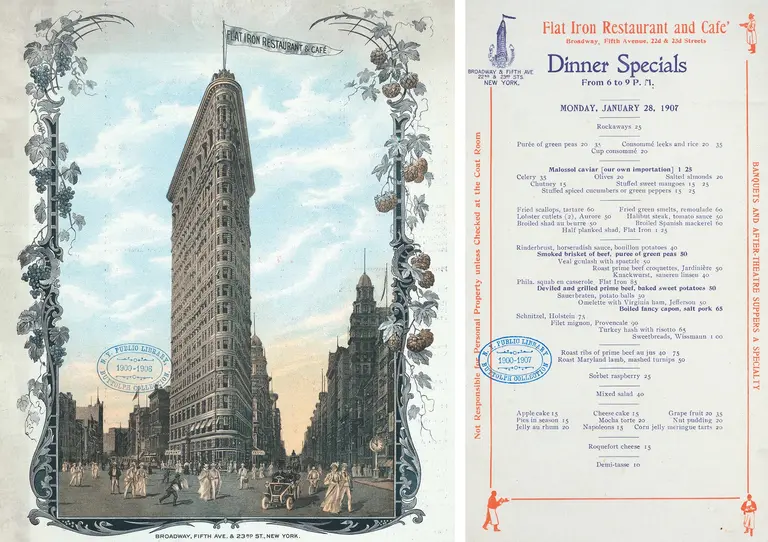
New York's iconic Flatiron building, built in 1902, gets plenty of attention for its distinctive, triangular design. But the massive restaurant that operated out of the landmark's basement--known as The Flat Iron Restaurant and Cafe--has seemingly been lost to the ages. The basement restaurant allegedly could seat up to 1,500 guests. And by 1906, Madison Square had transformed from a desirable residential neighborhood for the city’s elite, as it had been in the Gilded Age, to a bustling commercial hub. The lengthy menu reflects that, with offerings that include affordable dishes of shellfish, meats, and sandwiches.
Check out the menu
February 16, 2018

Black history in Greenwich Village: 15 sites related to pioneering African-Americans

Greenwich Village has been known throughout its existence for breaking new ground and embracing outsiders. One often-forgotten but important element of that trailblazing narrative is the extraordinary role the Village played in relation to African American history. The neighborhood was home to North America’s earliest free Black settlement in the 17th century, to some of America’s first black churches in the 19th century, and many pioneering African-American artists, civil rights leaders, and organizations in the 20th century. This Black History Month, here are just a few of the exceptional Greenwich Village sites connected to African-American history.
Learn about all 15 sites here
February 14, 2018

Six things you didn’t know about the Lower West Side

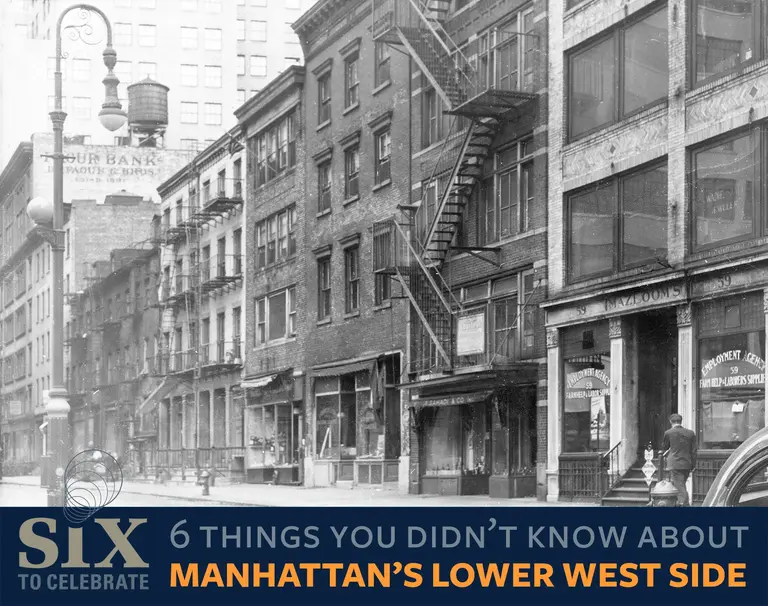
This post is part of a series by the Historic Districts Council, exploring the groups selected for their Six to Celebrate program, New York’s only targeted citywide list of preservation priorities. The Lower West Side may not be a neighborhood name used by brokers, but for those involved with preservation efforts in the area, it's a neighborhood very much unique from the surrounding Financial District. Encompassing the area west of Broadway from Liberty Street to Battery Place, it was originally home to Irish and German immigrants, followed by Little Syria, the nation’s first and largest Arabic settlement, from roughly the 1880s to 1940s. But the construction of the Brooklyn Battery Tunnel and World Trade Center "nearly wiped the neighborhood off the map." There are still several buildings remaining that serve as a connection to the past, however, and Friends of the Lower West Side is working diligently to make sure this history is not lost, expanding its oral history program, offering walking tours of the area, and appealing to the Landmarks Commission to designate a small historic district.
Find out six little-known facts about this amazing district
February 9, 2018

On this day in 1935, a 125-pound alligator was wrangled in an East Harlem sewer

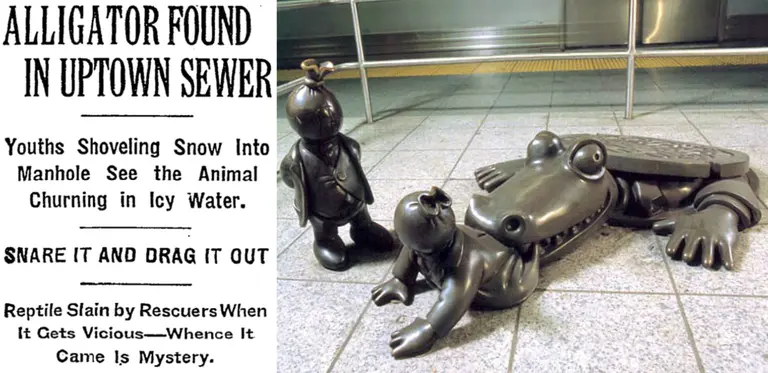
Have you ever heard of "Alligators in the Sewers Day"? According to the New York Times, on February 9, 1935, a group of teenagers allegedly caught and killed an eight-foot, 125-pound alligator in a manhole on East 123rd Street while shoveling snow. A headline in the paper the next day read, "Alligator Found in Uptown Sewer," fueling an urban legend of an entire underground alligator population. Michael Miscione, the Manhattan borough historian, is so intrigued by the tale, that he annually observes this unofficial holiday "to honor discarded pets or escaped beasts that have grown large below our streets."
So, how did the gator get here?
February 8, 2018

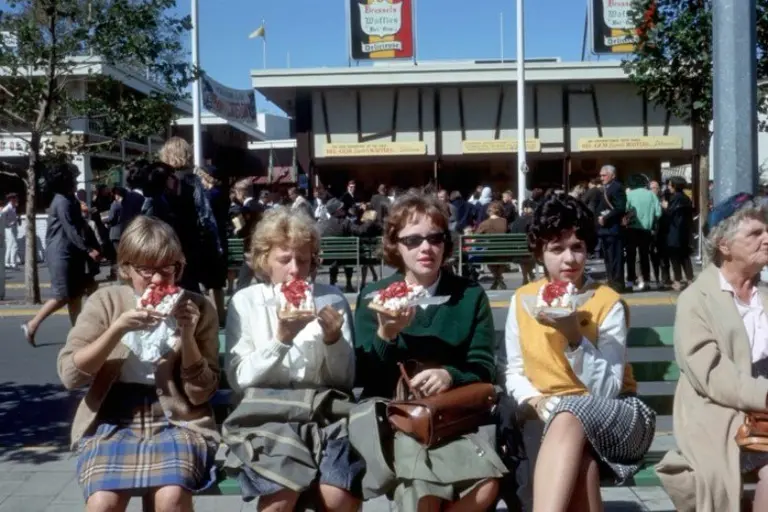
A Queens festival will reimagine the World’s Fair with 100+ food vendors representing over 100 cultures

Experience "diversity through cuisine" at CitiField this spring at an event paying homage to the iconic 1964 New York World's Fair. Dubbed the World's Fare, the event will feature over 100 food vendors from more than 100 cultures, as well as live music and art (h/t QNS). Highlights include an international beer garden that will offer tastings of 80 craft beers from 45 breweries and exhibits of LEGO Art and 4-D drawings.
Get the details
February 7, 2018

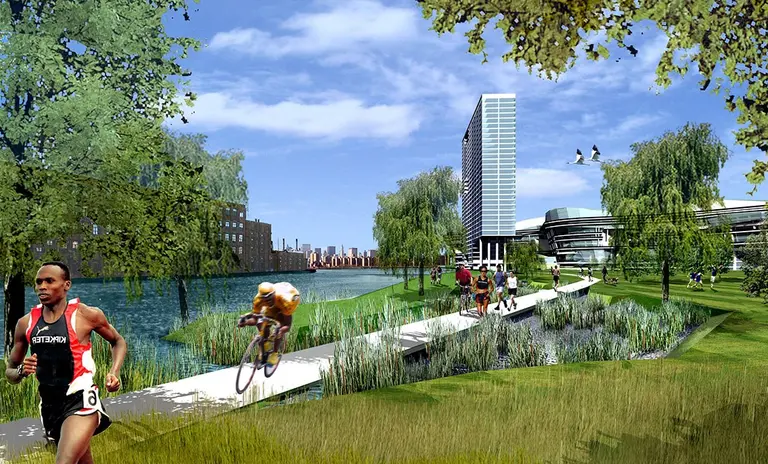
How NYC’s 2012 Olympic Village would have transformed the Queens waterfront

With the 2018 Olympic Winter Games in PyeongChang, South Korea kicking off in just two days, we can't help but think what an incredible 17 days it would have been if they were here in New York City (logistical concerns aside). The city came closest in 2004 when it was chosen by the International Olympic Committee (IOC) as one of the five finalists to host the 2012 Olympics. London, Paris, Moscow and Madrid were the other four. Splashy renderings planted 27 venues across all five boroughs, New Jersey and Long Island, but the winning, and perhaps most eye-catching, proposal was the Olympic Village in Long Island City's Hunter's Point South by Thom Mayne's Morphosis.
Get the full history here
February 2, 2018

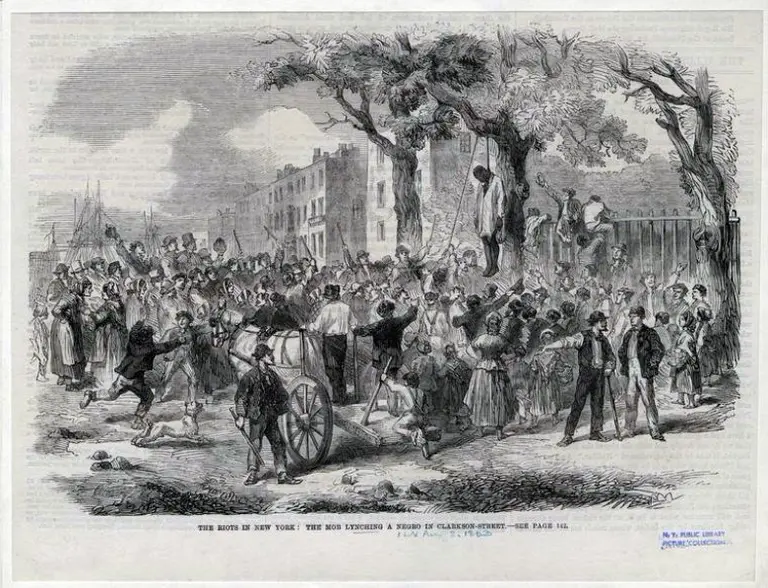
John Jay’s new database provides 35,000+ records of slavery in New York

Typically seen as a beacon of freedom and diversity, New York also served as the capital of slavery in the United States for nearly 200 years. Before the American Revolution, more enslaved Africans lived in New York City than every city except South Carolina, with over 40 percent of the city's households owning slaves. However, the state eventually became an epicenter for abolition efforts, as well as a destination for many slaves escaping enslavement in the south. To further the public's understanding of New York's relationship with slavery, the John Jay College of Criminal Justice has created a searchable database of slaves and their owners (h/t WNYC).
Find out more
February 2, 2018

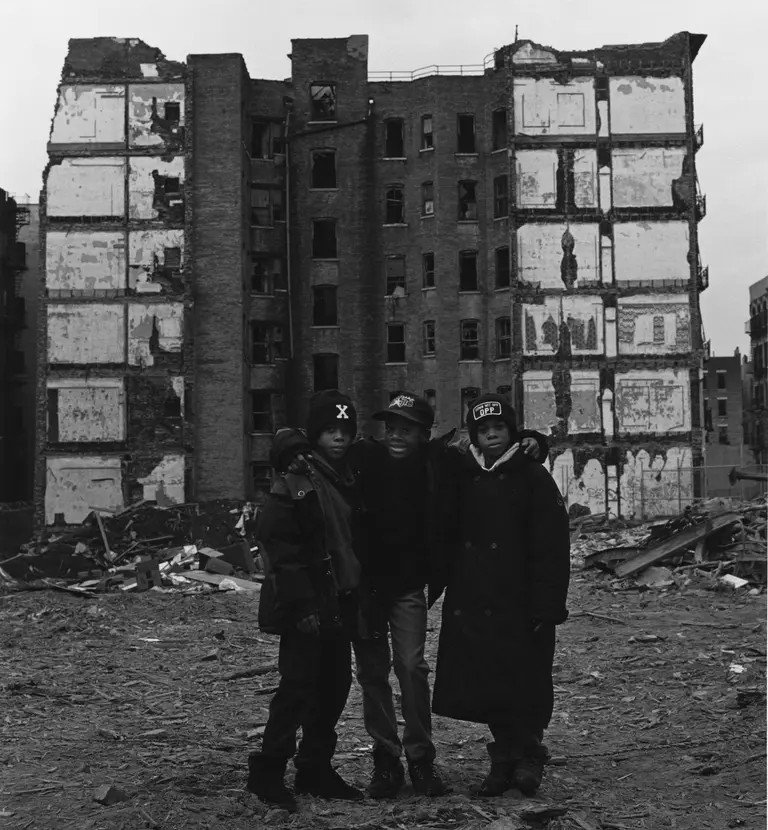
The Urban Lens: ‘Once in Harlem’ is a portrait of ’90s New York City

6sqft’s series The Urban Lens invites photographers to share work exploring a theme or a place within New York City. In this installment, Katsu Naito shares his 1990s portraits from Harlem. Are you a photographer who’d like to see your work featured on The Urban Lens? Get in touch with us at [email protected]. In 1983, when Katsu Naito immigrated to America at the age of 18, he spoke barely any English. Growing up in Maebashi, a small city about 90 miles north of Tokyo, he had never heard of Harlem before moving to New York but was drawn to the energy of the neighborhood, quickly realizing he wanted to document it with his camera. Now, more three decades since he first fell in love with Harlem, Naito’s photos of the 'nabe's residents in the early to mid-‘90ss are being published in a book and unintentional time capsule titled “Once in Harlem,” out now from TBW Books. 6sqft chatted with Naito about his journey and what makes Harlem so special to him, and he shared a collection of his amazing images.
See them all here
February 1, 2018

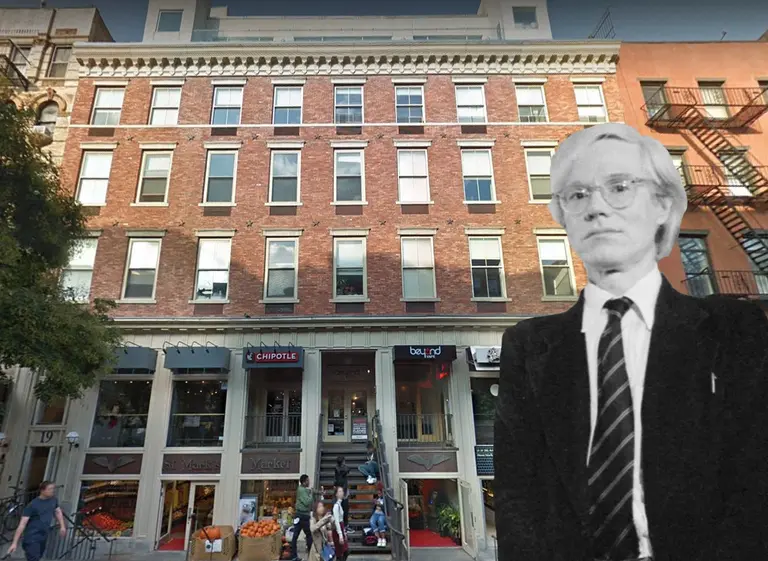
How an East Village building went from gangster hangout to Andy Warhol’s Electric Circus

Fifty years ago this week, the Velvet Underground released their second album, "White Light/White Heat." Their darkest record, it was also arguably the Velvet’s most influential, inspiring a generation of alternative musicians with the noisy, distorted sound with which the band came to be so closely identified. Perhaps the place with which the Velvets have come to be most closely identified is the Electric Circus, the Andy Warhol-run East Village discotheque where they performed as the house band as part of a multi-media experience known as the "Exploding Plastic Inevitable." Many New Yorkers would be surprised to discover that the space the club once occupied at 19-25 St. Mark's Place has since been home to a Chipotle and a Supercuts. But the history of the building that launched the career of the godfathers of punk is full of more twists, turns, and ups and downs than one the Velvet’s extended distorted jams that once reverberated within its walls.
The whole history right here
January 31, 2018

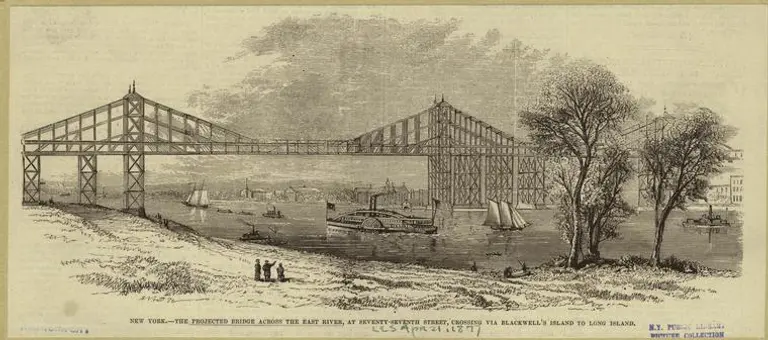
The scrapped plan to build a 77th Street bridge over the East River to Queens

At one point in New York history, it looked very likely that the city would get a brand new bridge across the East River between Manhattan and Queens by way of Blackwell’s (now Roosevelt) Island. This was back in the 1870s, as the Brooklyn Bridge began rising to the south. According to Ephemeral New York, this would have been the second bridge to link Manhattan to Long Island, and plans were just getting off the ground. Though an 1877 newspaper article got the location of the bridge wrong--as it wasn't going to Brooklyn--it explained that the proposal process was moving right along: "The projectors of this proposed bridge over the East River, between New York and Brooklyn at 77th Street, by way of Blackwell’s Island, have, in response to the invitation sent out, received ten separate designs and estimates from as many engineers," it said. "Ground will be broken as soon as a plan shall be decided on."
Here's why it never happened
January 26, 2018

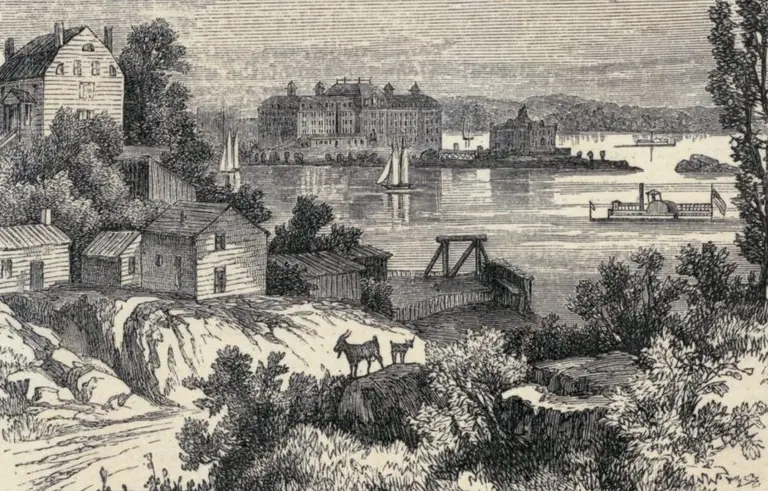
How the Manhattan neighborhood of Turtle Bay got its name

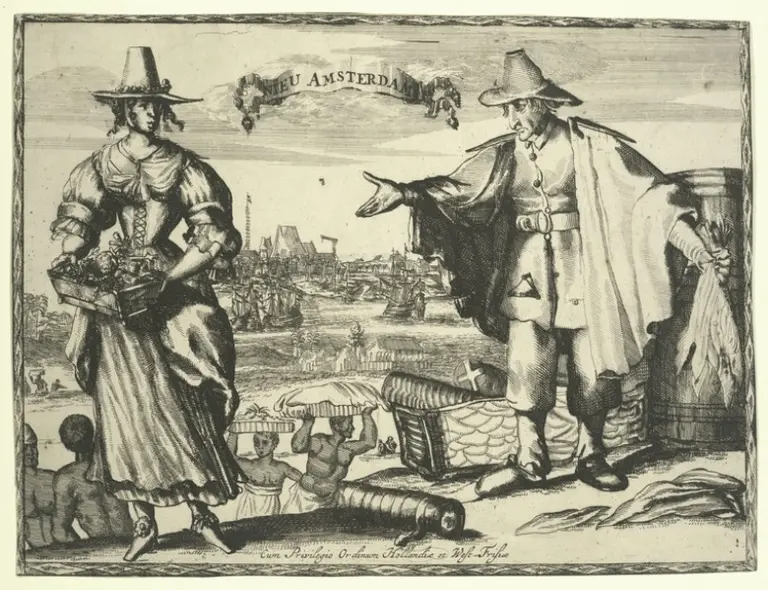
The Manhattan neighborhood of Turtle Bay, a stretch of Midtown East that holds everything from skyscrapers to brownstones, has a history dating back to 1639. Modern-day New Yorkers might envision the area got its name from "hundreds of turtles sunning themselves on the rocks along the East River between 45th and 48th Streets," as Ephemeral New York puts it. Back then, that's where an actual bay was once located in Colonial-era Manhattan, surrounded by meadows, hills and a stream that emptied at the foot of today’s 47th Street. Some historians do think actual turtles lent to the neighborhood name, as they were plentiful in Manhattan at the time and were commonly dined on. But another reading of history suggests otherwise.
The name may have been a mistake
January 26, 2018

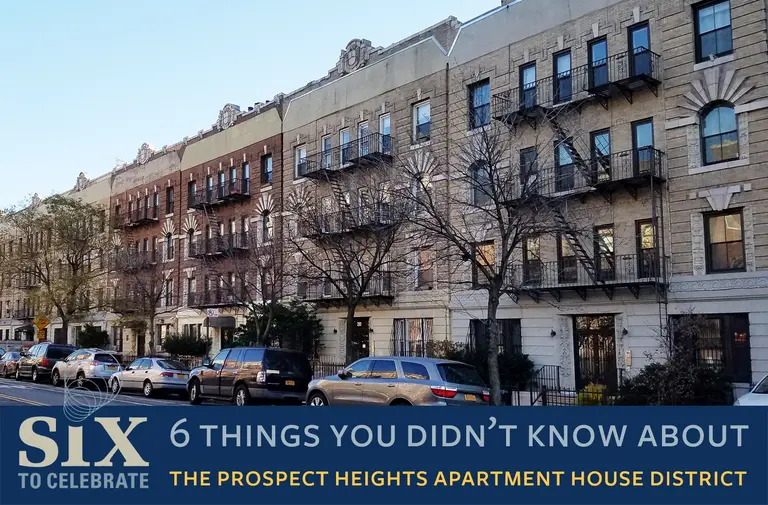
Six things you didn’t know about the Prospect Heights Apartment House District

This post is part of a series by the Historic Districts Council, exploring the groups selected for their Six to Celebrate program, New York’s only targeted citywide list of preservation priorities. Constructed on a lost fragment of the original footprint of Prospect Park, the Prospect Heights Apartment House District is a concentration of 82 apartment buildings dating from 1909-1929. This development was promoted by the Prospect Park Commissioners to attract high-quality construction to complement the nearby Park, Brooklyn Museum, Brooklyn Botanic Garden and Brooklyn Public Library. The buildings, representative of a period in Brooklyn history when building patterns shifted to accommodate a rising middle class, remain exemplary for their architectural integrity and as housing stock for a diverse population. As one of this year's Six to Celebrate recipients, the Prospect Heights Neighborhood Development Council and the Cultural Row Block Association on Eastern Parkway are working to garner local support and submit a proposal for historic district status from the LPC.
Find out six little-known facts about this handsome district