
Even amid NYC’s housing crisis, new affordable units sit vacant for over 14 months
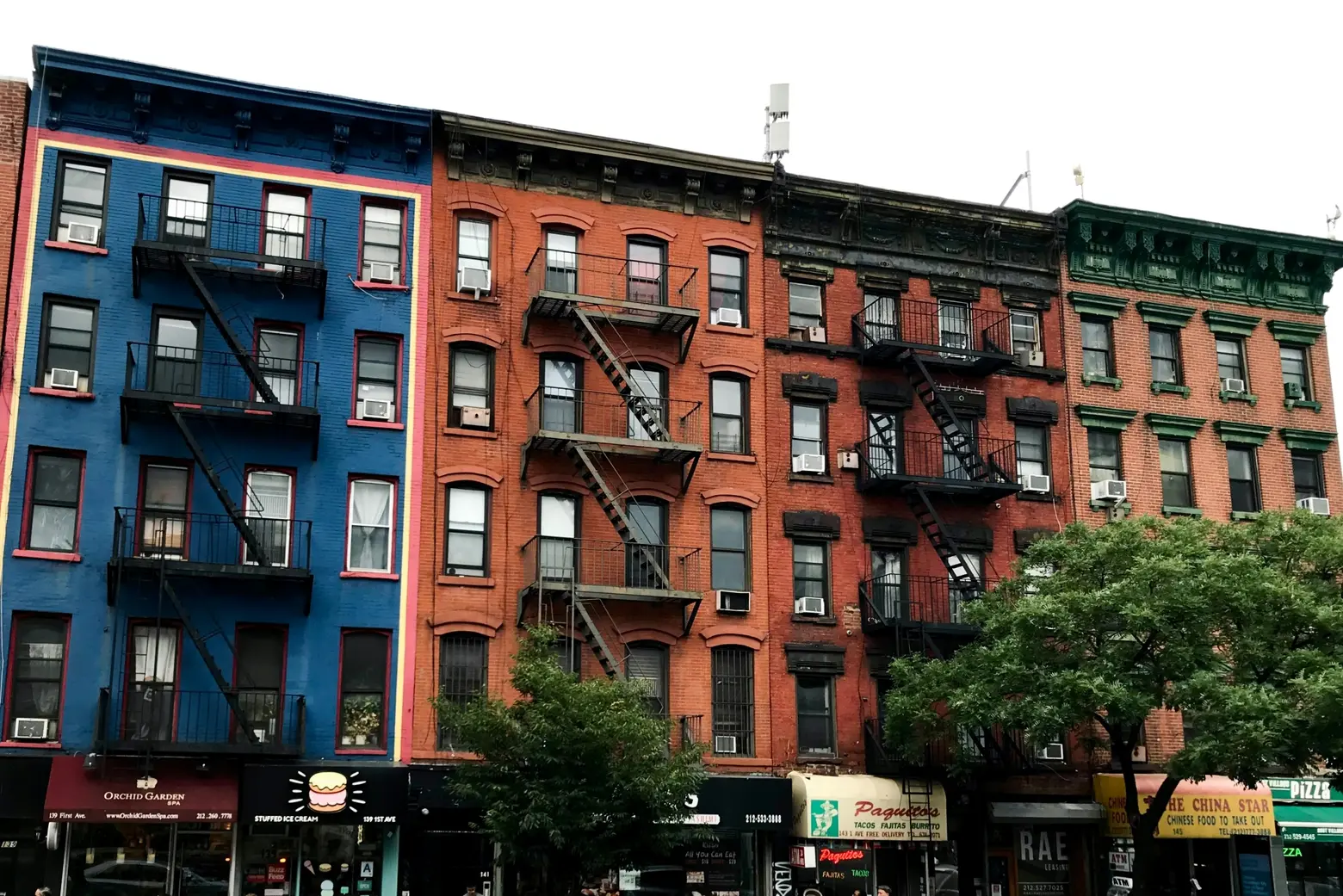
Credit: Martin Robac on Unsplash
A report released Thursday is calling for reforms to New York City’s leasing process, finding that some affordable housing buildings can take up to 14 months to reach full occupancy due to delays. Published by Enterprise, the report highlights how even amid the city’s housing crisis, newly built affordable units can sit vacant for months as tenants and owners navigate the “lease-up process,” the period between when a building is ready for move-ins and when it reaches capacity. As first reported by The City, the report outlines a series of recommendations, including reforms to CityFHEPS, the city’s Housing Connect lottery system, and streamlining of the homeless placement process.
Enterprise, a national nonprofit focused on increasing affordable housing supply and advancing racial equity, found that 100 percent of the affordable housing developments it financed in NYC between 2021 and 2024 experienced delays, with an average lease-up time of more than 14 months.
Last year, the organization convened a group of marketing agents, affordable housing owners, policy experts, housing navigators, New Yorkers, and nonprofit organizations who have experienced these issues as applicants. The report documents their findings and policy recommendations aimed at connecting tenants to homes faster.
More than 800 affordable housing projects nationwide were analyzed, including 50 in the five boroughs, revealing a median of 439 days between apartment completion and tenant move-in. Lease-up periods ranged from roughly 8.5 months to more than two years.
According to the report, the city has more severe lease-up delays than any other community where Enterprise operates. The nonprofit found that it takes three times longer to lease up an affordable housing building in NYC than the national median.
The average lease-up delay in the city is 285 days, compared with 110 days nationwide.
These long lease-up times leave New Yorkers in shelters or other unstable housing situations for longer periods and increase costs for landlords, with delayed projects costing owners an average of $500,000 in lost tax credit equity. These costs are further compounded by additional expenses, including extended construction loan interest and payments.
The report’s first recommendation aims to reduce bureaucracy surrounding Housing Connect, the city’s housing lottery system. In 2024, six million New Yorkers applied for 10,000 affordable units through the lottery.
The Department of Housing Preservation and Development (HPD) and the Housing Development Corporation (HDC), the agencies that set marketing and lottery rules, have recently made changes to reduce documentation requirements, back-end audits, and income verification in an effort to streamline the process.
Before a lottery launches, the marketing plan for a development must be approved. This process typically begins when a project is about 70 percent complete, with the goal of aligning the lottery with building completion. However, the report finds this timeline to be unrealistic, citing too many steps and excessive administrative burden.
Enterprise recommends that the city streamline approvals by adopting a universal marketing plan template that can be completed within the Housing Connect system and finalized with city agencies at closing. It also recommends involving HPD marketing staff earlier in the process, rather than during construction.
Next, the report outlines reforms to the referral process for set-aside units for homeless placements. In 2020, the city began requiring city-financed affordable housing developments to set aside at least 15 percent of units for individuals experiencing homelessness.
According to the 2025 Mayor’s Management Report, a record 3,743 homeless households were placed into newly constructed affordable housing last year. However, those moves took an average of 235 days to complete.
Enterprise says the process requires too much interagency involvement, leading to vacant units and delayed move-ins. These delays leave homeless households waiting longer for stable housing and can also create financial consequences for tax credit properties that fail to meet lease-up deadlines.
The report recommends that, instead of being directly involved in the placement process, city agencies outsource coordination to third-party housing navigation organizations. These groups would liaise between shelters and housing opportunities, taking on responsibilities currently handled by HPD’s Homeless Services Unit and Department of Homeless Services staff, in order to improve efficiency.
Third-party navigators would focus on working with shelter residents and staff to ensure appropriate housing matches, which the report says would lead to higher rates of successful placements.
Additionally, direct referrals from shelters into affordable housing should be allowed when the shelter and housing operators are the same organization, when the shelter is co-located with an affordable housing site, or when a housing provider has a relationship with a local shelter. It also urges housing owners to accept referrals beyond these direct sources.
Finally, the report calls for a series of reforms to the CityFHEPS program, which allows low-income New Yorkers to pay 30 percent of their income toward rent, with the city covering the remainder. The program is a lifeline for the roughly 65,000 households, or about 140,000 people, who currently use the vouchers, as 6sqft previously reported.
First, Enterprise says the income verification process must be streamlined. Currently, income verification and rebudgeting are triggered when a household’s income changes by more than $100 between initial voucher approval and lease-up, creating delays that can result in lost units or apartments sitting vacant for months.
The process is burdensome for all parties involved, requiring tenants to gather and submit documentation, service providers to review and process paperwork, and city staff to approve rebudgeting and final package submissions.
To reduce this burden, the city could increase the rebudgeting threshold, allow community partners to handle rebudgeting, or permit the income determined at the initial eligibility stage to carry through until package submission or even after move-in, particularly in cases where approval has been delayed for more than a month.
In addition, the report outlines a series of inspection reforms for CityFHEPS. After hearing about inconsistent understanding of the G704 waiver for new construction units, which allows for inspection waivers and virtual inspections, Enterprise says the city should clarify and better publicize these waivers.
The city could also implement an apartment review checklist (ARC) and inspection hierarchy that would allow move-ins with non-hazardous “fails” and provide clearer guidance to inspectors on which issues require immediate resolution versus those that should not delay a tenant’s move-in.
Certain types of issues could still require an inspection after move-in to confirm resolution. In these cases, move-in would proceed at the tenant’s discretion, with appropriate sign-off.
Most units require an ARC inspection completed by a contracted provider, but certain units, such as ground-floor residences, must be inspected by the Department of Social Services’ CAR unit, adding a substantial amount of time to the approval process.
Eliminating this requirement for new construction or renovations that go through a new Department of Buildings (DOB) inspection and adding ARC-specific items to the DOB checklist would streamline the process. ARC inspections could also stand for six months to prevent the need for re-inspections after a tenant declines an apartment or a lease-up falls through.
Subsidized affordable housing properties with regulatory agreements could shift from unit-by-unit submissions to a building-wide registration process, significantly streamlining landlord package submissions. Improved coordination between HPD, HDC, and HSS would allow for seamless registration and eliminate the need for separate submissions for each unit.
With these reforms, Enterprise estimates that median lease-up time would be cut from 14 to six months, average homeless placement timelines from more than seven months to two months, and CityFHEPS approval and move-in times from more than nine months to one month.
City Hall has been exploring ways to improve the lease-up process. On his first day in office, Mayor Zohran Mamdani created the Streamlining Procedures to Expedite Equitable Development Task Force to identify ways to accelerate housing development and leasing. The task force is expected to release its findings on Saturday, but City Hall has since said the report will instead be published in a few weeks.
RELATED:
Get Insider Updates with Our Newsletter!
Leave a reply
Your email address will not be published.






















also there are people on a outrageous decades waiting list for these apartments, on top of that to many preferences, leaving NYC non preferences out of certain neighborhoods, NYC affordable housing definitely needs to change for the better for all its residents