
Famed architect Robert A.M. Stern dies at 86
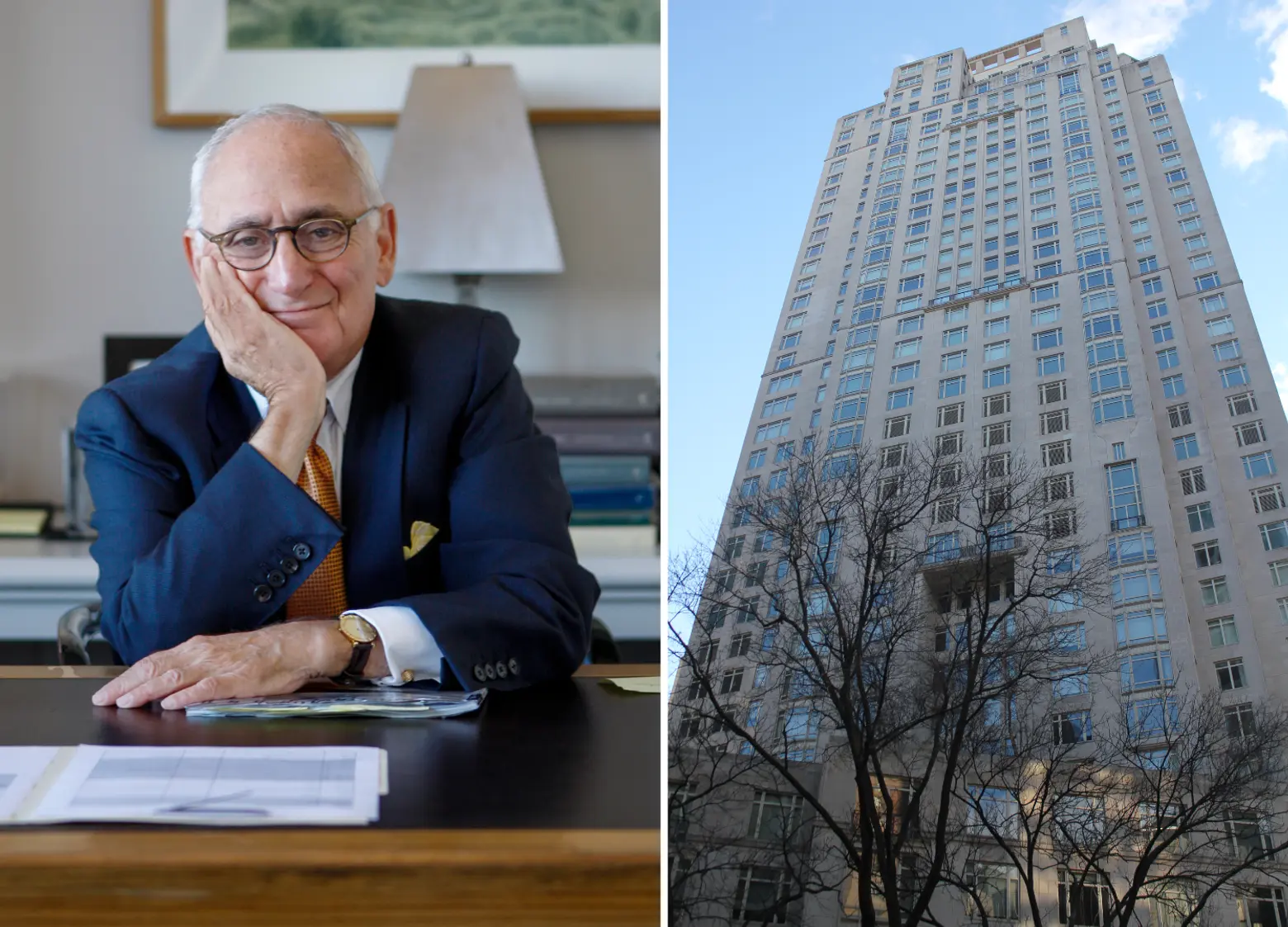
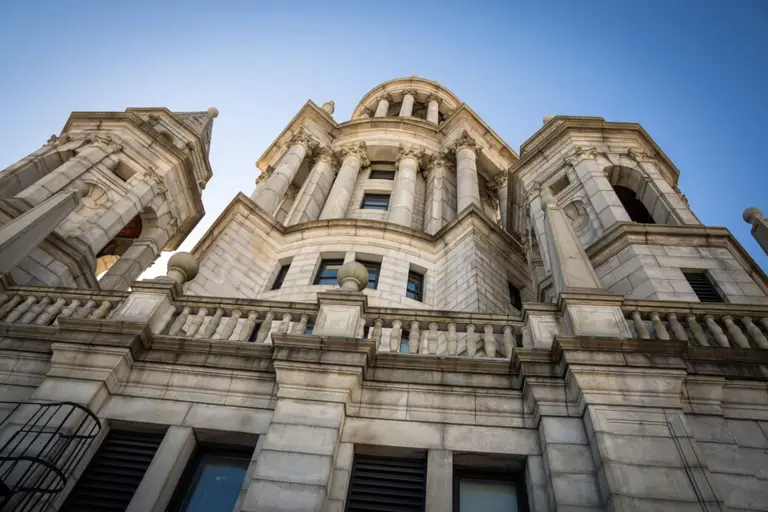
(L) Credit: RAMSA; (R) 15 Central Park West. Image via WikiCommons
Acclaimed architect Robert A.M. Stern, who over his career built one of the world’s most influential architecture firms and left an enduring mark on the New York City skyline, died last Thursday at the age of 86. The Brooklyn-born architect founded Robert A.M. Stern Architects (RAMSA) in 1969 and went on to build a portfolio that ranged from luxury residential buildings like 15 Central Park West to major institutional projects such as the expansion of the New York Historical. Stern served as dean of the Yale School of Architecture from 1998 to 2016. His son Nicholas told the New York Times that the cause of death was a brief pulmonary illness.
“Bob’s impact reverberates not just through RAMSA, but across the entire field of architecture,” Daniel Lobitz, partner and management committee chair at RAMSA, said. “His legacy will live on through the books he wrote, the students he mentored, and the people who inhabit his remarkable buildings.”
He added: “His vision, passion, and notoriously sharp wit became the foundation for a career that will not soon be forgotten, and a firm that is honored to continue the work he began.”
Born in Brooklyn in 1939, Stern began his architectural studies at Yale, graduating in 1965. He spent the next two years working in the city’s Department of Housing Preservation and Development under Mayor John Lindsay, and in 1969, he founded Robert A.M. Stern Architects (RAMSA). Around the same time, he also began teaching at Columbia University, according to Architectural Digest.
In 1984, Stern was appointed the first director of Columbia University’s Temple Hoyne Buell Center for the Study of American Architecture. He later became director of the M.Arch. Advanced Studio in 1990 and, a year after that, director of the university’s Historic Preservation Program.
From 1998 to 2016, Stern served as dean of the Yale School of Architecture, where he shaped and mentored generations of emerging architects. He also maintained a lifelong fascination with NYC’s architecture and urbanism, authoring numerous books between 1983 and 2025: “New York 1880;” “New York 1900;” “New York 1930;” “New York 1960;” “New York 2000;” and the most recent “New York 2020,” according to RAMSA.
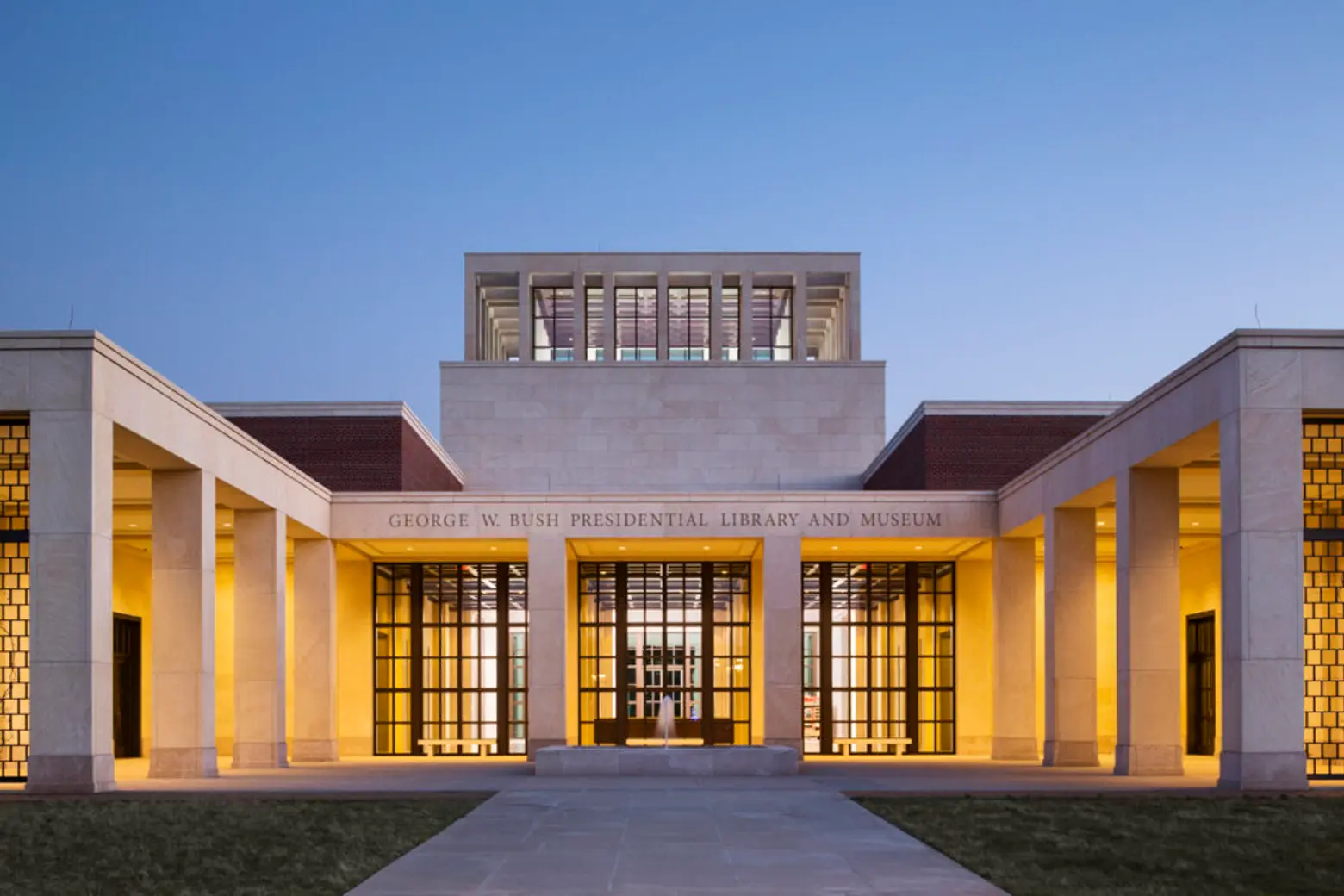
While Stern designed projects far beyond the five boroughs—including the George W. Bush Presidential Library in Dallas, the Norman Rockwell Museum in Stockbridge, Massachusetts, and several buildings in Philadelphia—New Yorkers most closely associate him with his design for 15 Central Park West.
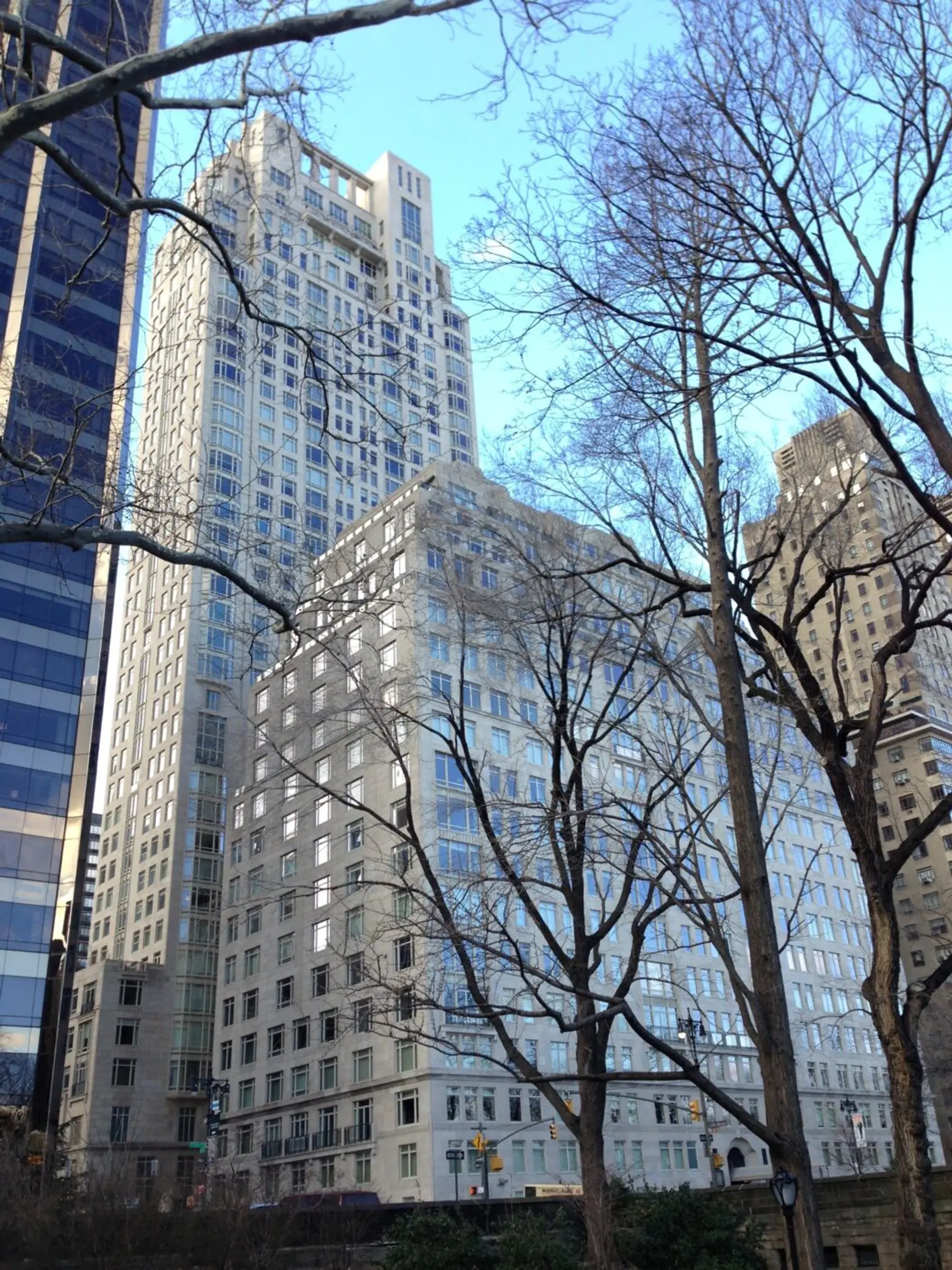
Opened in 2008 and heralded as the “rebirth of prewar luxury,” the condo building overlooking Central Park showcases stunning architecture, record-breaking prices, and a stacked roster of celebrity residents. The two limestone structures—a 19-story park-facing building with prewar-style terraced setbacks and a modern 35-story tower behind—connect through a glass-enclosed, copper-domed rotunda library.
Stern drew on his expertise with traditional architecture to design the development, seamlessly blending prewar styles with modern high-rise elements. All apartments sold before the building’s completion, drawing buyers including Sting, Denzel Washington, Alex Rodriguez, Bob Costas, and other affluent industry leaders.
Developed by the Zeckendorf family, 15 Central Park West was the city’s most expensive condominium in 2017, with the eight apartments sold that year averaging $7,227 per square foot. Billionaire Dmitry Rybolovlev famously purchased a penthouse in the building in 2011 for $88 million, as 6sqft previously reported.
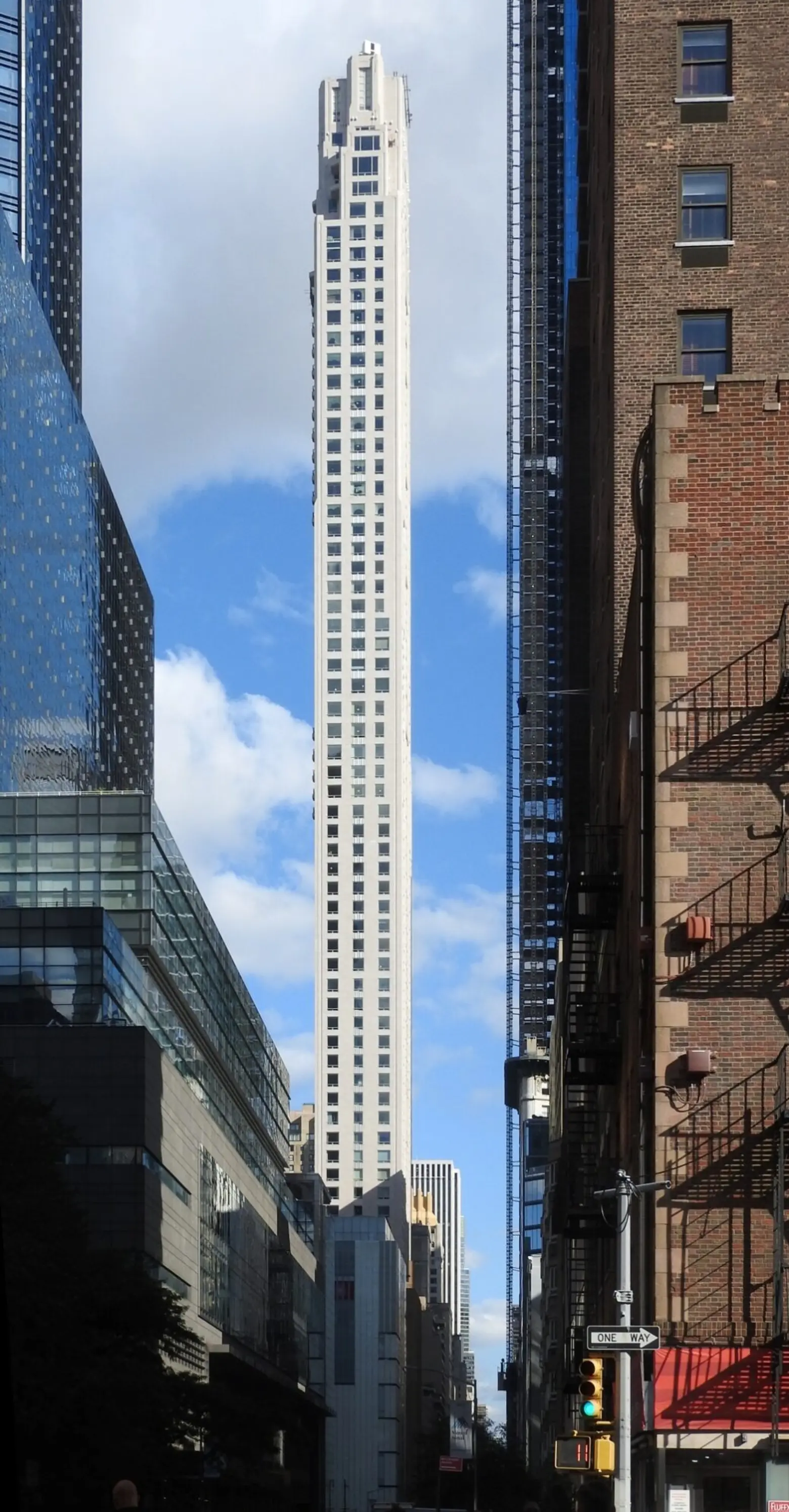
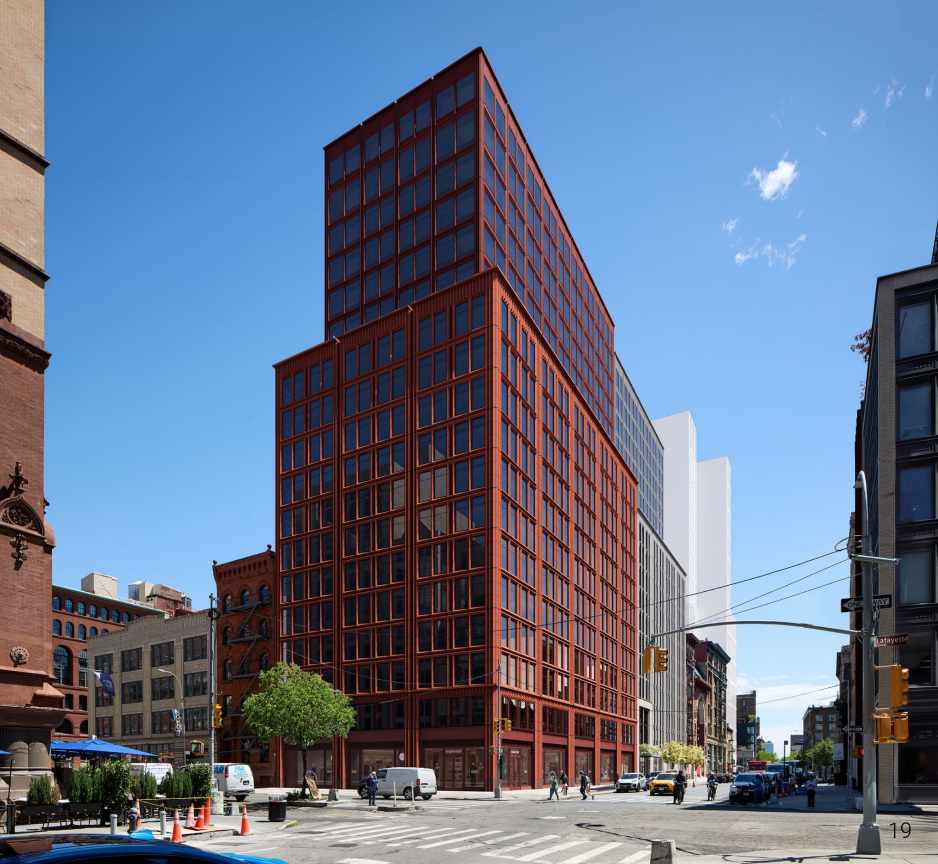
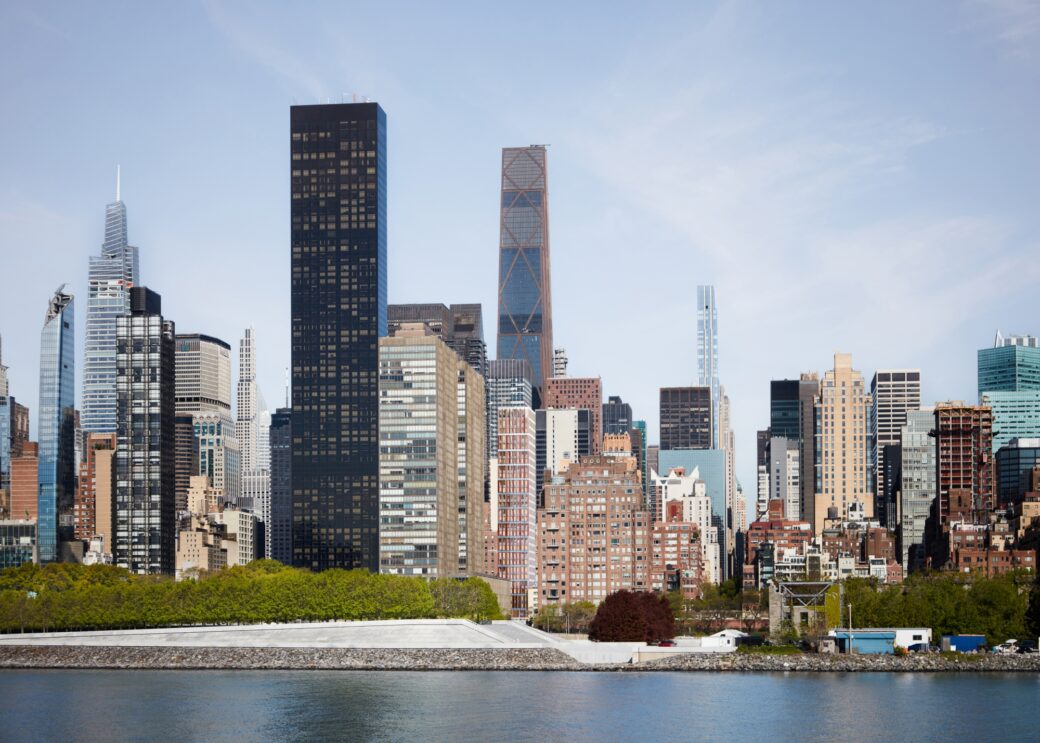
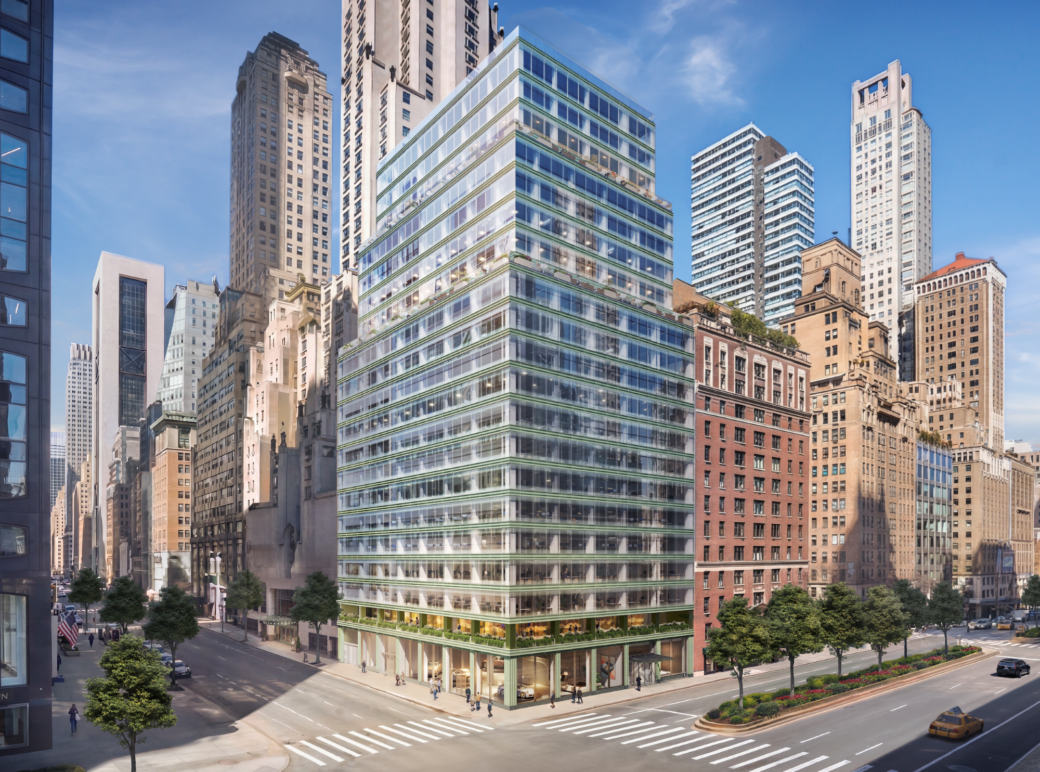
Other NYC projects by Stern include the 70-story 220 Central Park South, where a triplex sold for $238 million in 2019, the 82-story 30 Park Place, and the 35-story 200 East 83rd Street in Yorkville, among others.
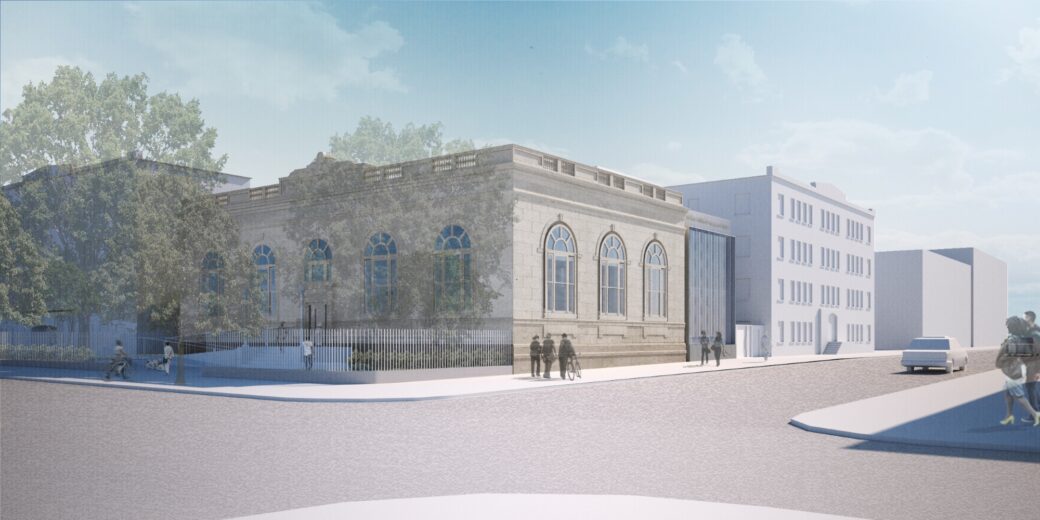
Stern also oversaw the ambitious expansion of the New York Historical (formerly New-York Historical Society), the city’s oldest museum. Scheduled to open in 2026, the $140 million project is adding a five-story wing with more than 70,000 square feet, including a wing dedicated to democracy.
In his memoir “Between Memory and Invention: My Journey in Architecture,” Stern reflected on his architectural legacy and design philosophy.
“In my belief that architecture is a never-ending obsession, I regret that the buildings could not have been a little better, that the books could not have been a little clearer,” Stern said. “But I pride myself in sticking to principles—I have no regrets over staying true to my conviction that architecture cannot flourish so long as architects believe they stand before a tabula rasa, so long as they believe that architecture is just the product of an individual program, individual talent, and individual personality.”
He continued: “It is much more—architecture is part of a continuum. Although the inescapable facts of historical circumstance compel us to be modern, to make a building only about its own moment is to doom it to be forgotten in another.”
RELATED:
Get Inspired by NYC.
Leave a reply
Your email address will not be published.













Stern was one of my professors at Columbia University, he was great as a professor and I learned so much from him, a great loss to the profession.