Studio Museum in Harlem unveils new home
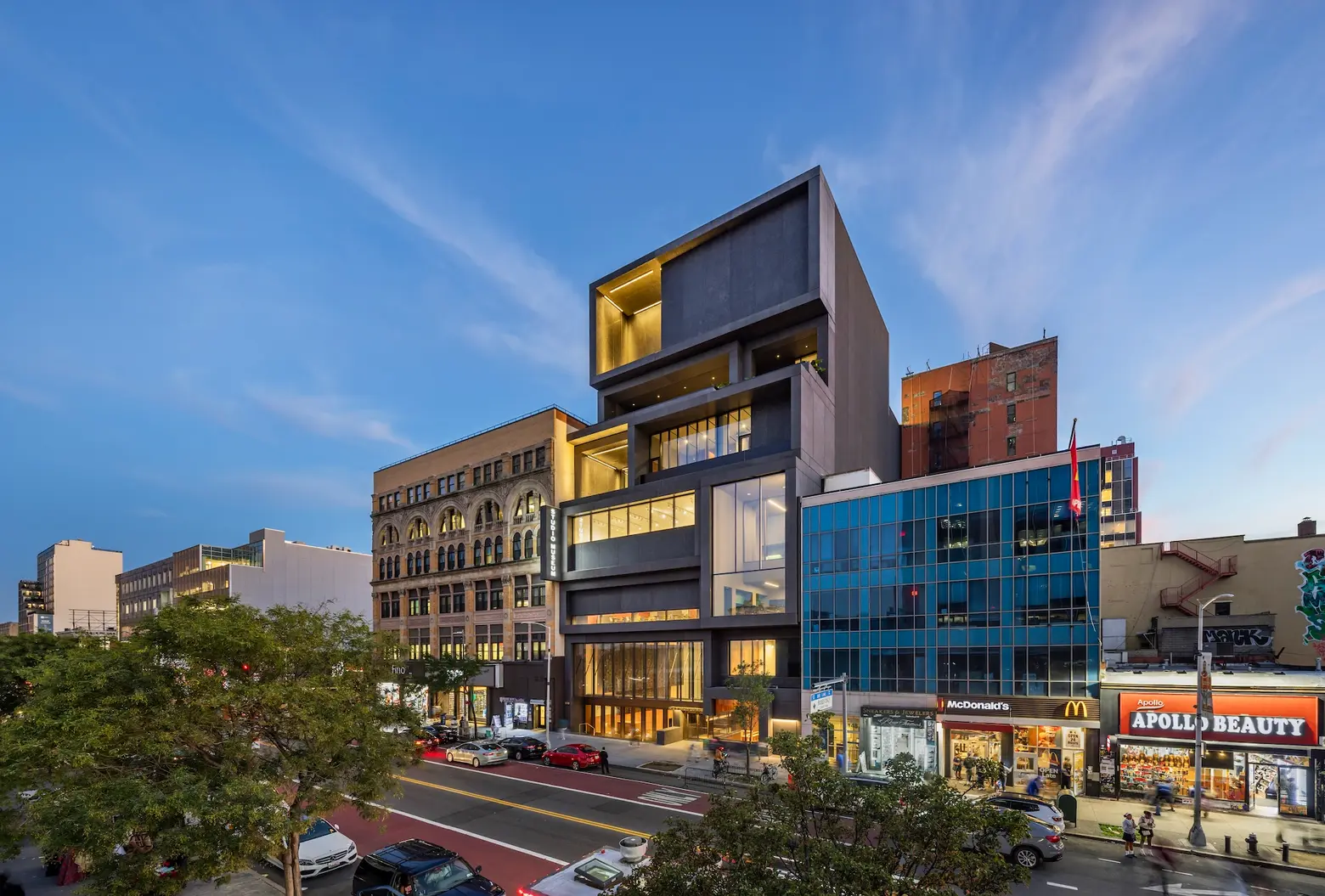
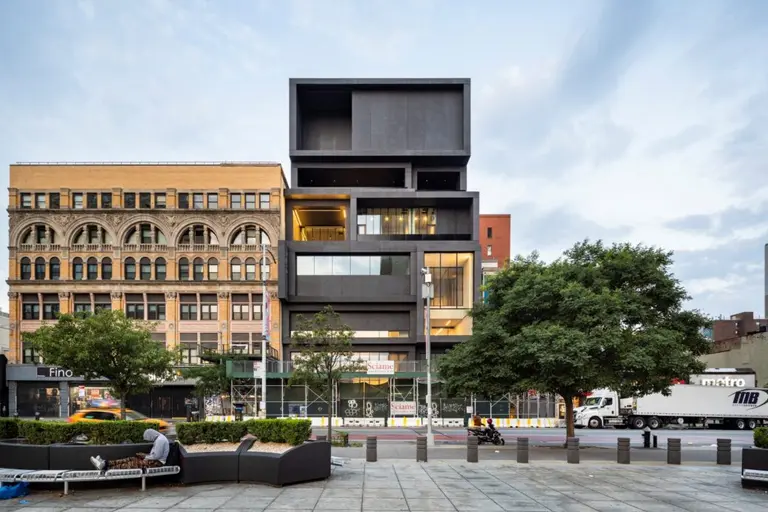
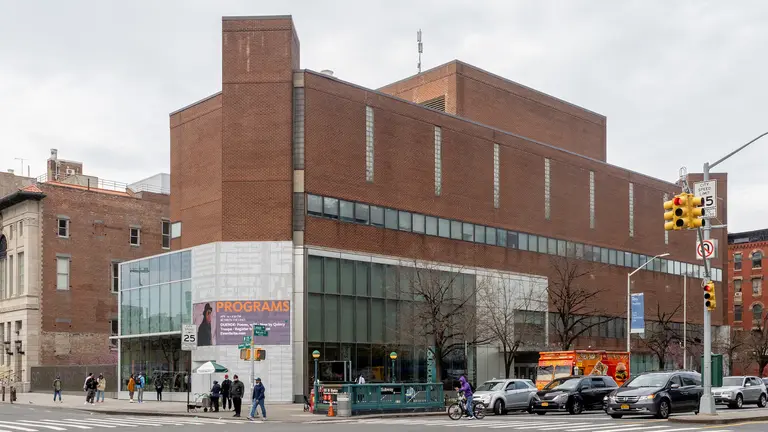
Exterior view of the Studio Museum in Harlem’s new building, 2025. Courtesy Studio Museum in Harlem. Photo © Albert Vecerka/ Esto
In the United States, 1968 was a year of political unrest and cultural change. Martin Luther King Jr. was assassinated, the Vietnam War was protested, the Fair Housing Act was passed, and President Richard Nixon was elected. In its list of major, shifting events that year, a much quieter moment: the founding of the Studio Museum in Harlem. The museum was founded by a group of artists, community activists, and philanthropists to foster the work of artists of African descent.
“The idea for the museum grew out of long-simmering indignation by Black artists that mainstream museums were ignoring their work,” according to WNYC. For example, “after Dr. King was assassinated in April 1968, New York’s Museum of Modern Art planned a memorial exhibition, but failed to include a single African-American artist, until just days before the opening.”
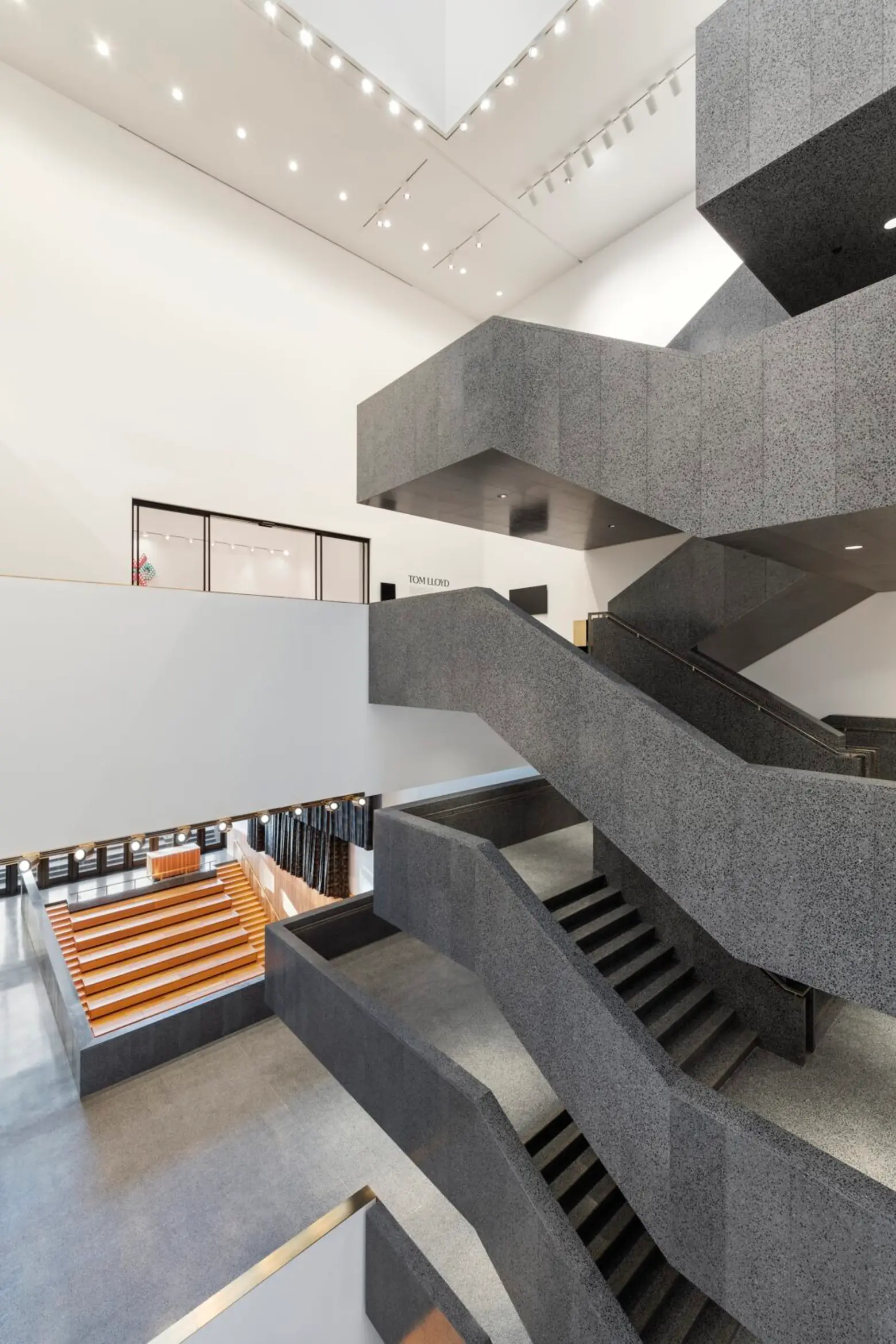
The first exhibit at the Studio Museum showcased the work of Tom Lloyd (1929-1996), an artist working with light and technology, and who was a teacher and philanthropist in New York City.
Since the beginning, the museum has been a Harlem institution. “Harlem is one of the centers of the Black world,” Joy Bivins, Director of the Schomburg Center for Research in Black Culture, said in a video by Studio Museum.
She calls the museum “the best place to experience the artistic brilliance and artistic genius of people of African descent.”
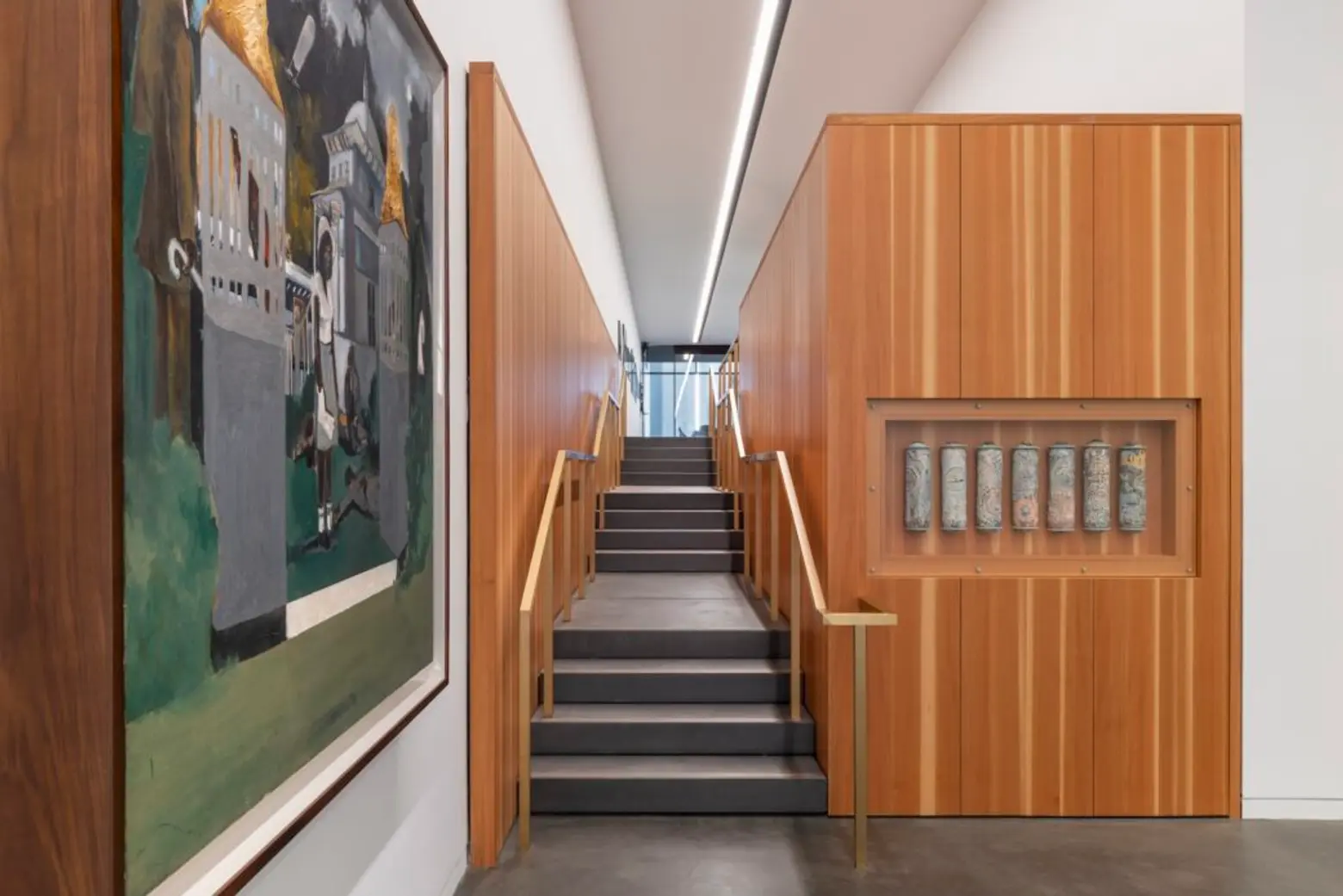
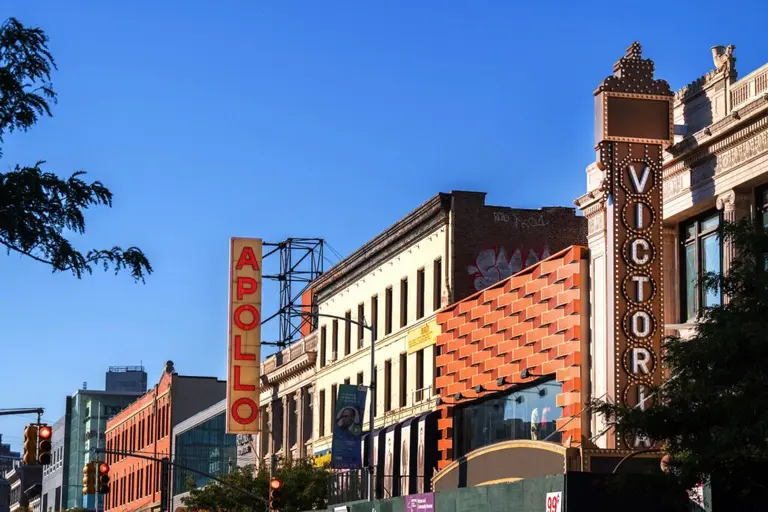
Though a mainstay of the neighborhood, it did not move to its current location on 125th Street until 1982. In 2015, the museum announced it had commissioned Ghanaian-British architect Sir David Adjaye, whose firm, Adjaye Associates, designed the National Museum of African American History and Culture in Washington, D.C., to design a new building, one created specifically for the needs of the museum and its patrons.
After closing in 2018, the old building, once an office building, was demolished in 2020. And now, after some delays due to Covid-19 and fundraising, a $160 million museum has been erected in its place.
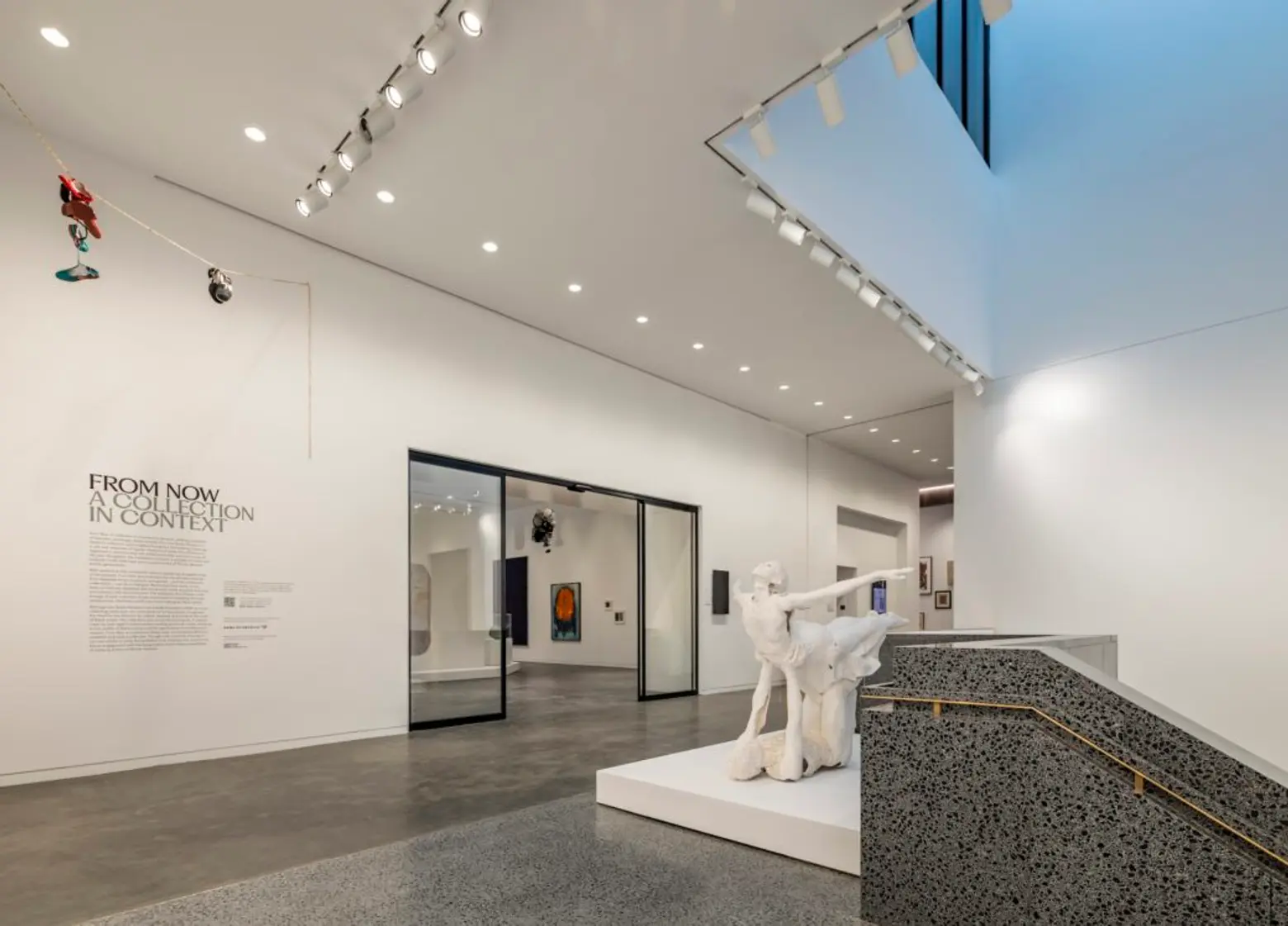
It opened to the public on November 15 with an exhibition on Tom Lloyd, honoring the museum’s roots. The exhibit features “an exclusive selection of never-before-seen images that chronicle his career.”
New York City-based Cooper Robertson (now Corgan) served as the architect of record. Erin Flynn, architect and principal at Corgan, has led such projects as the Whitney Museum of American Art, the Princeton University Art Museum, and now, the Studio Museum.
Flynn said the new space, a contemporary building with clean lines and floor-to-ceiling windows, allows the museum to showcase its art and continue its educational programs in a way the old building could not. Much of the art at Studio Museum is contemporary, so Flynn said they wanted to create big, open spaces for large-scale installations.
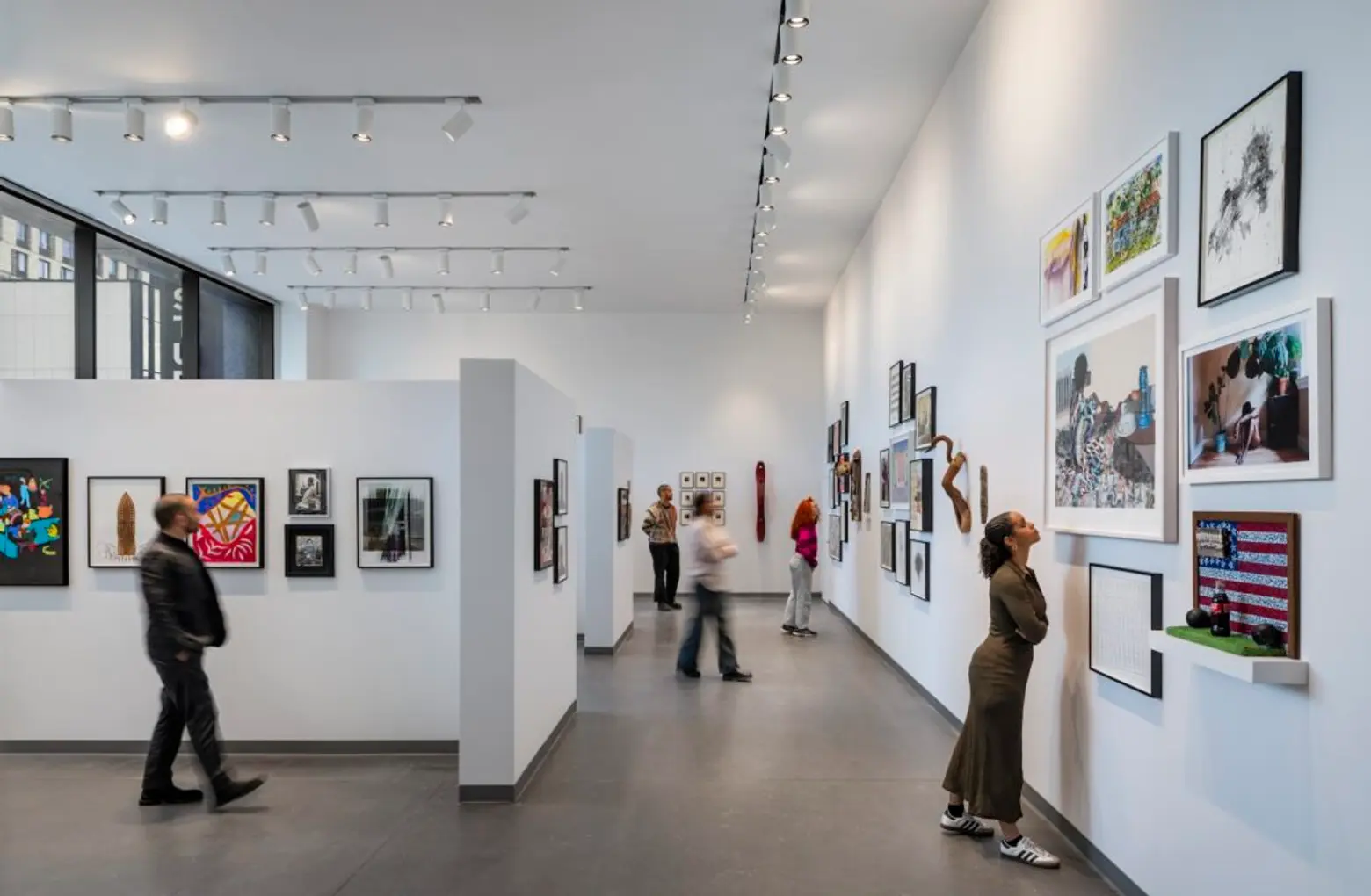
One of the gallery spaces has a nearly 30-foot-tall ceiling, giving it a “sanctuary” feel. Every museum space has different needs, she said. For example, Princeton’s art collection spans many eras and parts of the world, so the museum has a variety of different types of spaces to accommodate the pieces.
For the Studio Museum, the neighborhood is very much a part of the building’s design and soul. “It’s making it permanent and integral to the community,” Flynn said of the new building. “[Studio Museum] is part of Harlem, and the residents of the neighborhood think of the museum as their space. It was part of the conversation always — how to welcome the public in.”
In fact, Flynn said the plans were frequently discussed at community meetings with input from neighbors.
“Every time I left during construction, people would ask, ‘When are you reopening?’ It’s very much part of their presence,” said Flynn.
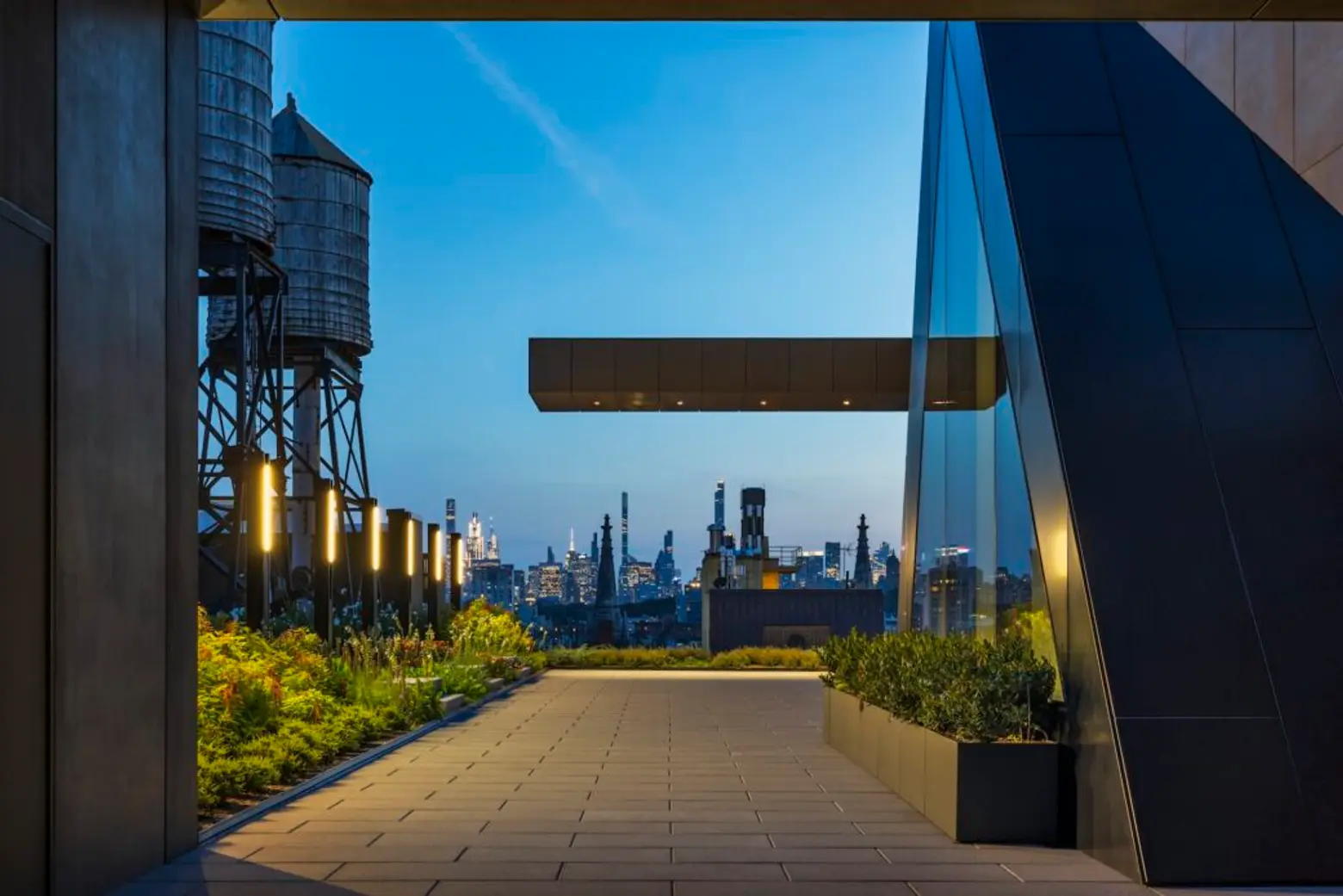
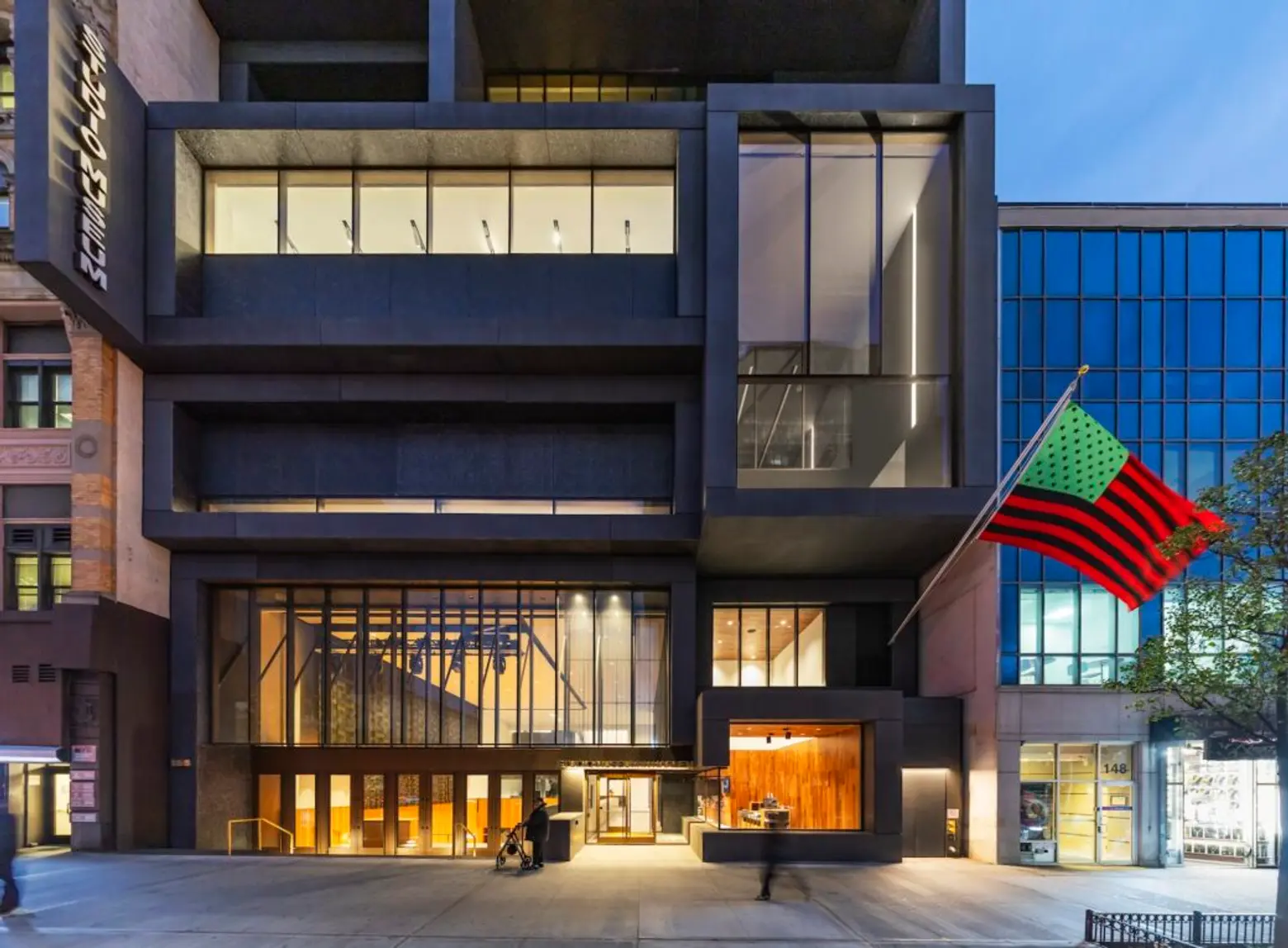
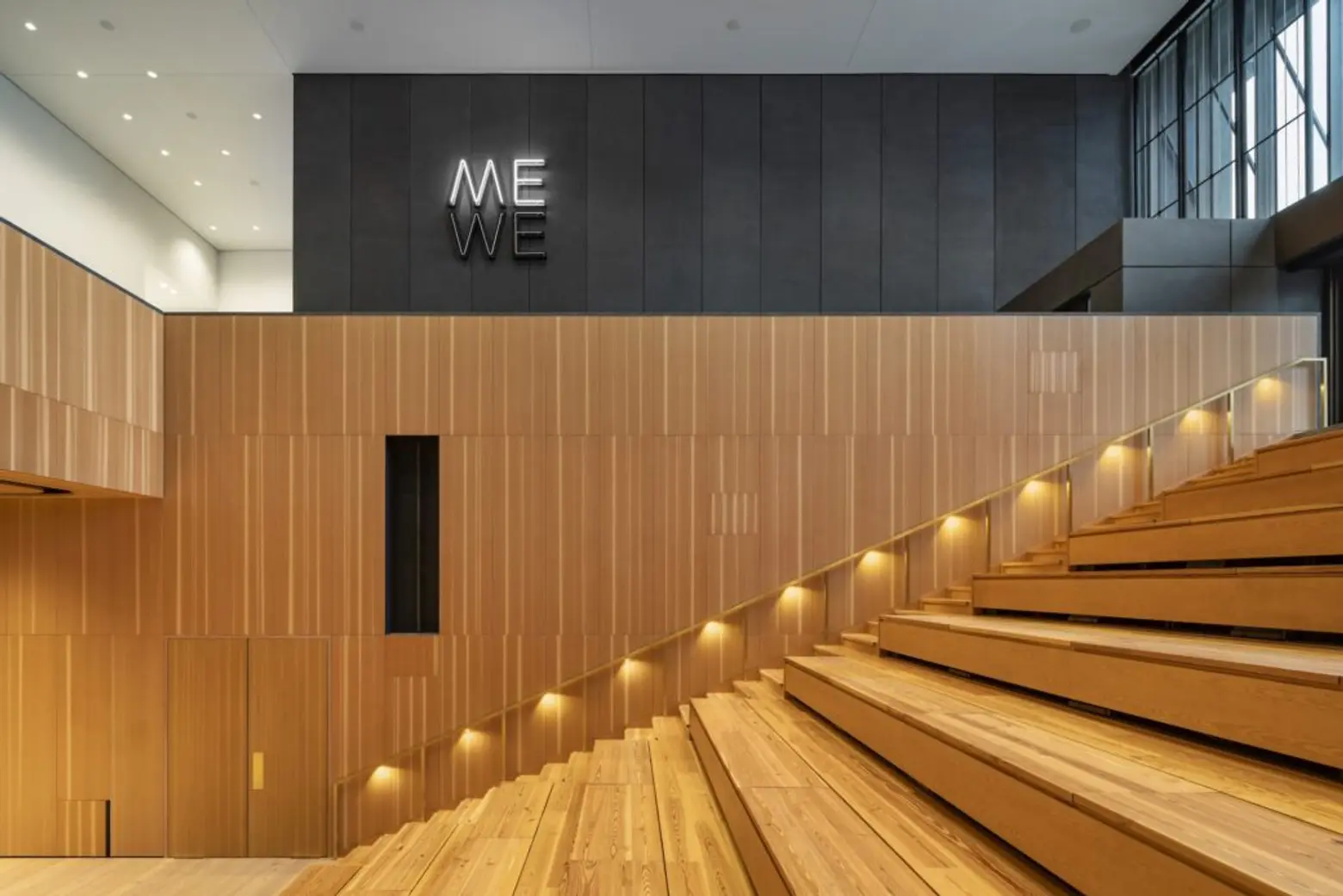
The streets of Harlem, in particular, front stoops, inspired the design. Described as an “inverted stoop,” the auditorium space off the lobby is an homage to Harlem’s iconic front stoops with seating for 150 that will be open to the public to sit, charge their phones, and grab coffee from the cafe.
Free community space is becoming more popular in museum designs, Flynn said.
“From my perspective, museums are more and more community-focused, engaging the community with the art that they protect and they are stewards of,” she said.
“A huge effort has been made to enhance visitor experience, combating museum fatigue (as a kid my mom could spend hours at a museum and drag me and my brother around). Creating quiet spaces along with art is important — looking at museum design through the lens of visitor experience and how you can find your way or get lost within a museum.”
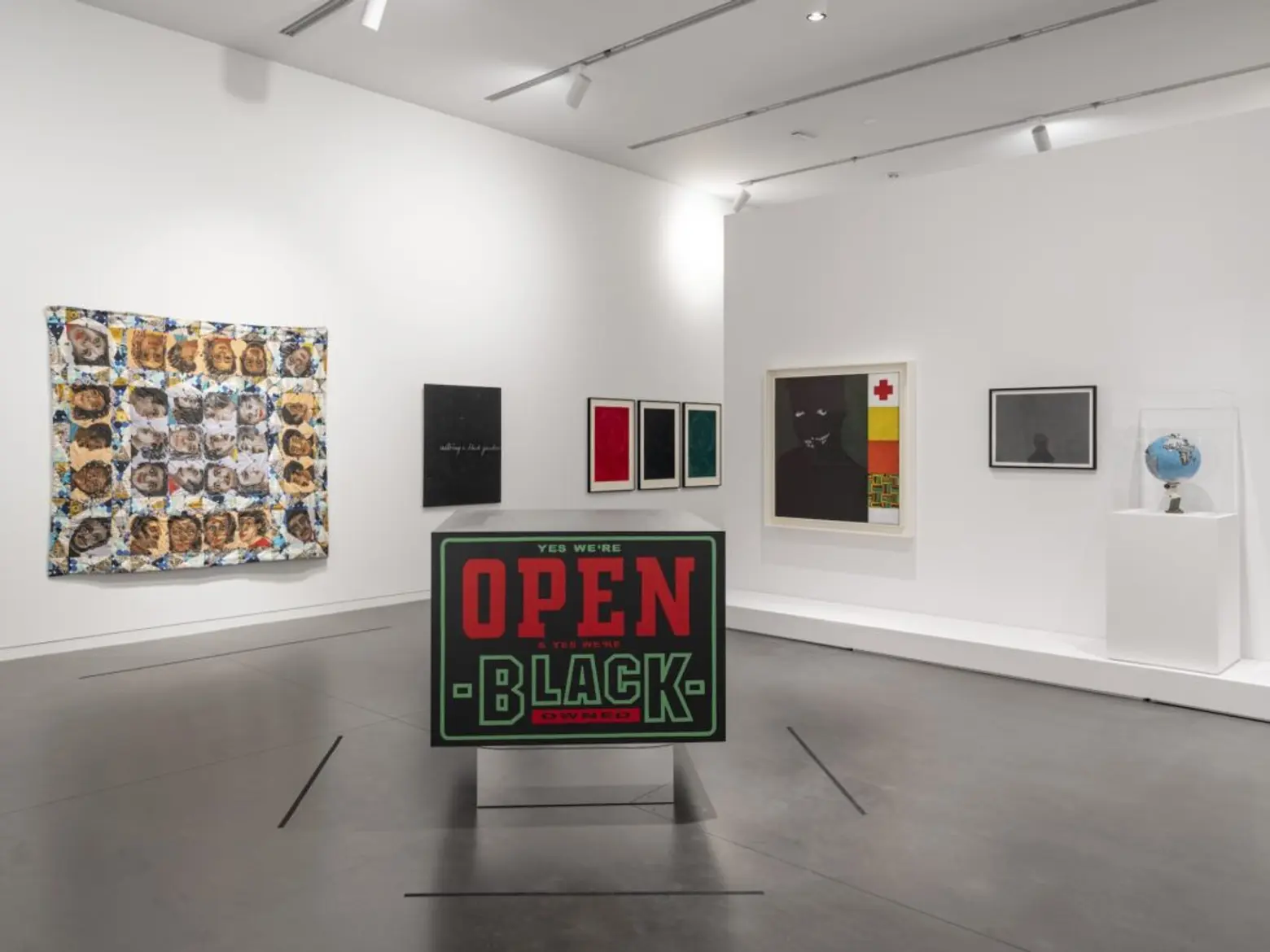
Those who found their way to and around Studio Museum on its grand opening, called Community Day, enjoyed free admission to see, not just the works of Tom Lloyd, but also other exhibitions and an array of events.
According to a release, furniture by Black creatives will be found throughout the building, with designs by Ini Archibong, Stephen Burks, Mac Collins, Charles O. Job, Peter Mabeo, Michael Puryear, and Marcus Samuelsson. Plus, there will be custom-made tables constructed from the museum’s former home and designed by Sefako Tolu of Sefako Ketosugbo and Tolu Odunfa Dragone.
The Studio Store will debut a capsule collection of apparel and accessories throughout the first year.

Also in the first year, new artworks like a “sonic sculptural installation by Camille Norment composed of brass tubing” and a “wall-mounted, metal-based installation by Christopher Myers” will be installed.
And, “artworks that have become synonymous with the Studio Museum and that will be reinstalled,” the release states:
- David Hammons’ red, black, and green “Untitled” flag (2004), which is inspired by the pan-African flag designed by Marcus Garvey in the 1920s for the Universal Negro Improvement Association and African Communities League.
- Glenn Ligon’s “Give Us a Poem” (2007), a wall sculpture that translates an improvised poem by Muhammad Ali into flashing neon.
- Houston E. Conwill’s seven bronze time capsules, “The Joyful Mysteries” (1984), that contain confidential written testaments by seven distinguished Black Americans, will be opened in September 2034, fifty years after their creation.
Though the art and the people inside the walls will bring life to the Studio Museum, Flynn sees the importance of buildings being woven into the “fabric” of a city. She specializes in landmark buildings, like museums, but it’s those structures in conjunction with the less assuming buildings on the streets that create the tapestry of a city, a neighborhood. How the community interacts with those buildings over the years forms the story.
RELATED: