Second Avenue Subway to expand west on 125th Street with three new stations
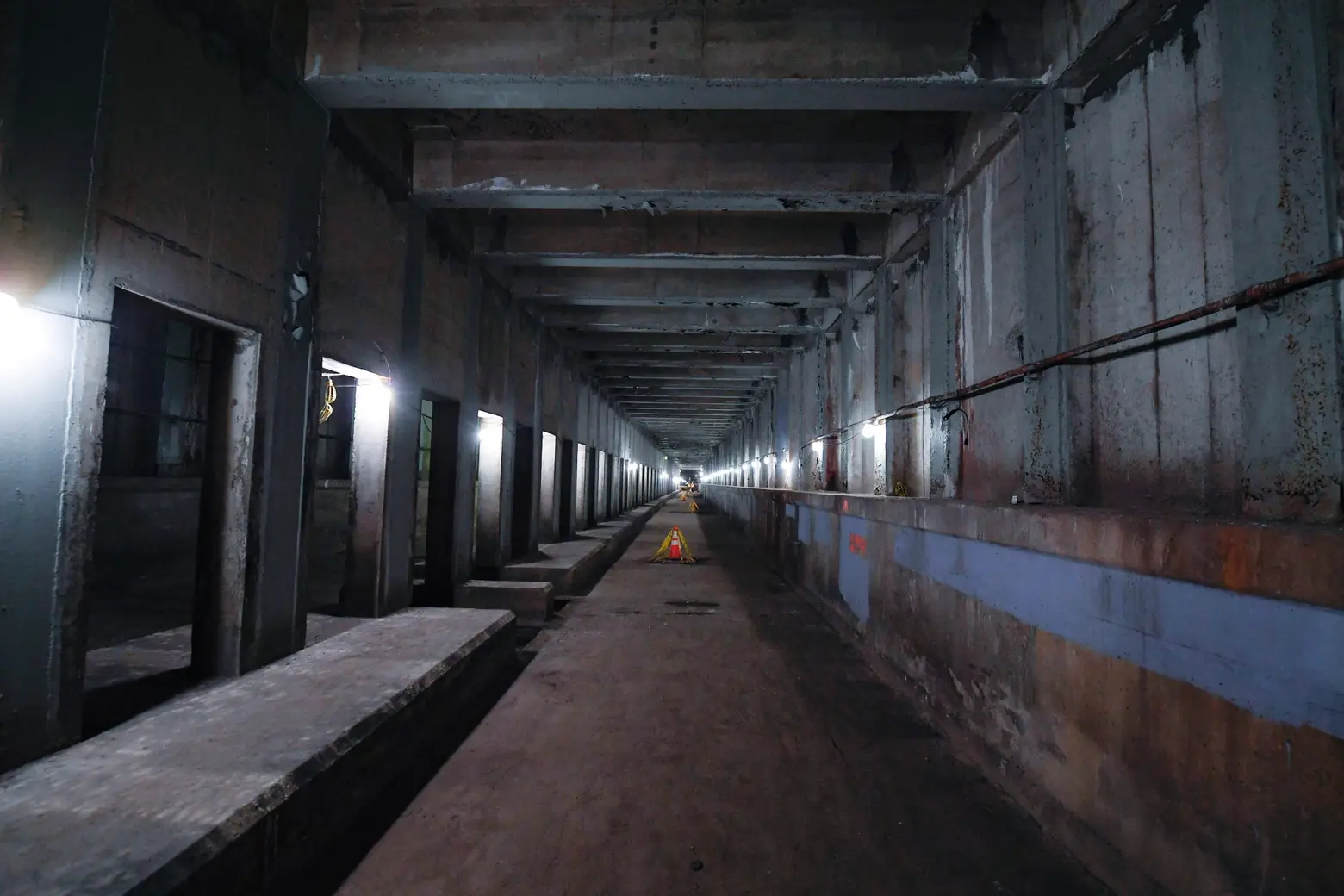
A view of the tunnel under construction for the Second Avenue Subway’s second phase. Credit: Marc A. Hermann / MTA on Flickr
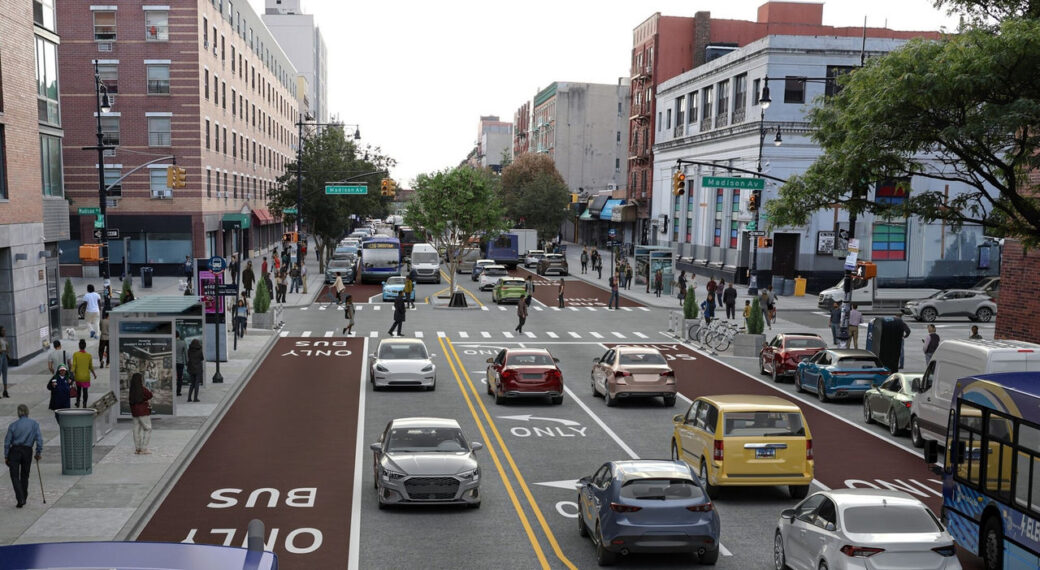
The next phase of the Second Avenue Subway, originally planned to continue down Manhattan’s Second Avenue, will instead run west along 125th Street, Gov. Kathy Hochul said Tuesday. The announcement, delivered during Hochul’s 2026 State of the State address, marks a major departure from the century-old plan to extend the Second Avenue Subway all the way to lower Manhattan. Instead, the Q train will be rerouted west along 125th Street, adding three new stations and ending at Broadway in Morningside Heights.
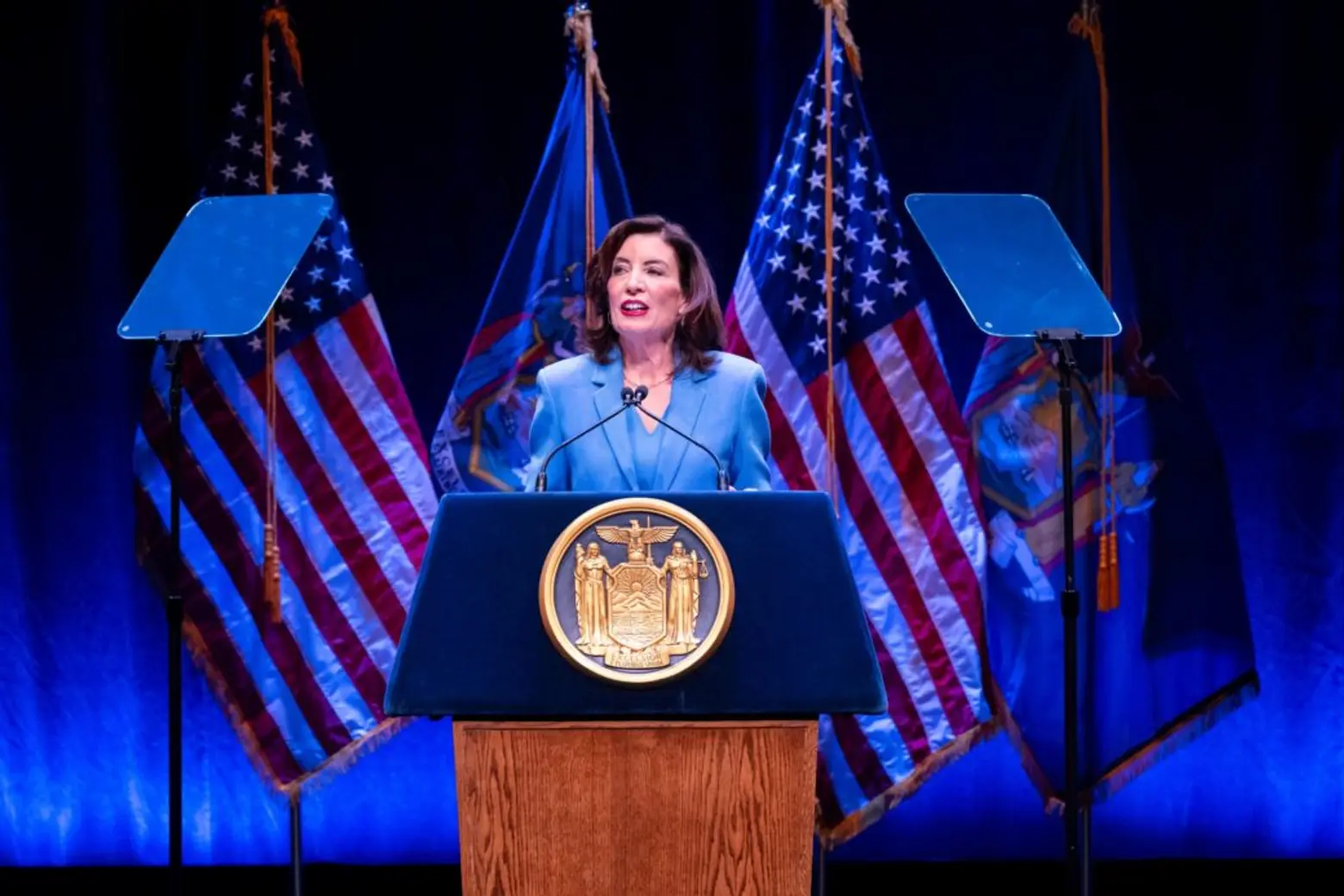
Hochul first proposed the westward expansion in her 2024 State of the State address and allocated funding for a feasibility study that found the project was not only possible but would also save time and money. According to Crain’s, the extension would run more than a mile and include new stations at Lenox Avenue, St. Nicholas Avenue, and Broadway, connecting the 1, 2, 3, A, B, C, D, and Q lines and creating the first-ever east-west subway connection in Upper Manhattan.
The governor’s office expects engineering and design costs to reach tens of millions of dollars. Redirecting the Q westward could save millions more, as the Metropolitan Transportation Authority (MTA) can reuse the tunnel-boring machine already in place for the second phase in the next stage of construction.
“Our efforts to extend the Second Avenue Subway will save hundreds of millions of dollars in future costs and reduce time—big wins for the 240,000 daily riders projected to benefit,” Hochul said in a statement obtained by Streetsblog.
The $7.77 billion second phase, slated for completion in 2032, will extend the Q train from 96th Street to 125th Street in East Harlem. The project, which received a $2 billion tunnel-boring contract in August, the largest in MTA history, will add three fully accessible Q train stations at 106th Street, 116th Street, and 125th Street. Tunneling is expected to begin in 2027.
The expansion will bring long-awaited subway service to a historically transit-deprived area where 70 percent of residents rely on public transit, while also providing riders with a one-seat trip to the Upper East Side, Midtown, and Coney Island.
Despite its potential to significantly expand public transit access, the Second Avenue Subway has been plagued by delays. While work has accelerated in recent years, the project remains behind schedule. According to Gothamist, the MTA is still completing work related to the project’s first phase, which opened three new Q train stations on the Upper East Side at 72nd, 86th, and 96th streets in 2017.
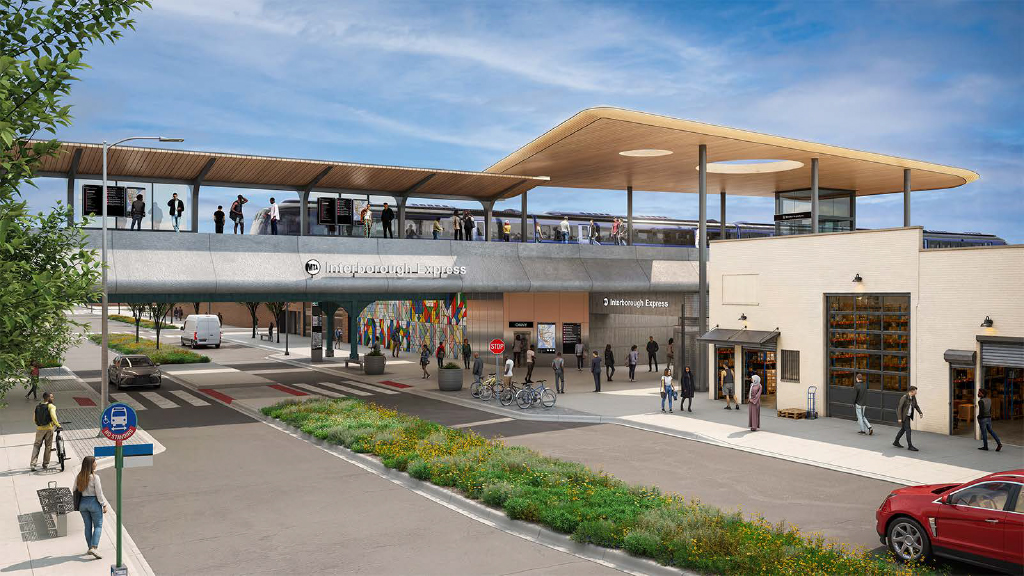
Hochul also announced major upgrades to the Jamaica Station transit hub in Queens. Despite handling more than 1,000 trains and 200,000 passengers each day, making it the fourth-busiest commuter rail station in North America, the station has not seen significant improvements in 23 years. The governor said the long-awaited modernization will transform Jamaica Station into a “world-class station experience.”
“New Yorkers deserve a world-class transit system,” Hochul said. “By advancing projects like the Second Avenue Subway and reimagining Jamaica Station, we’re building on past investments to deliver more reliable, efficient, and modern transit options for riders today and for generations to come.”
The future of several major transit projects has also faced uncertainty under President Donald Trump’s administration. In October, Trump said the federal government was withholding $18 billion in funding for the Second Avenue Subway and the Hudson River Gateway Tunnel projects, citing New York’s “unconstitutional DEI principles.”
Despite the threat, the U.S. Department of Transportation later said it had no plans to halt either project, and construction is continuing.
RELATED: