Roy Lichtenstein exhibition at the Whitney will explore the evolution of images
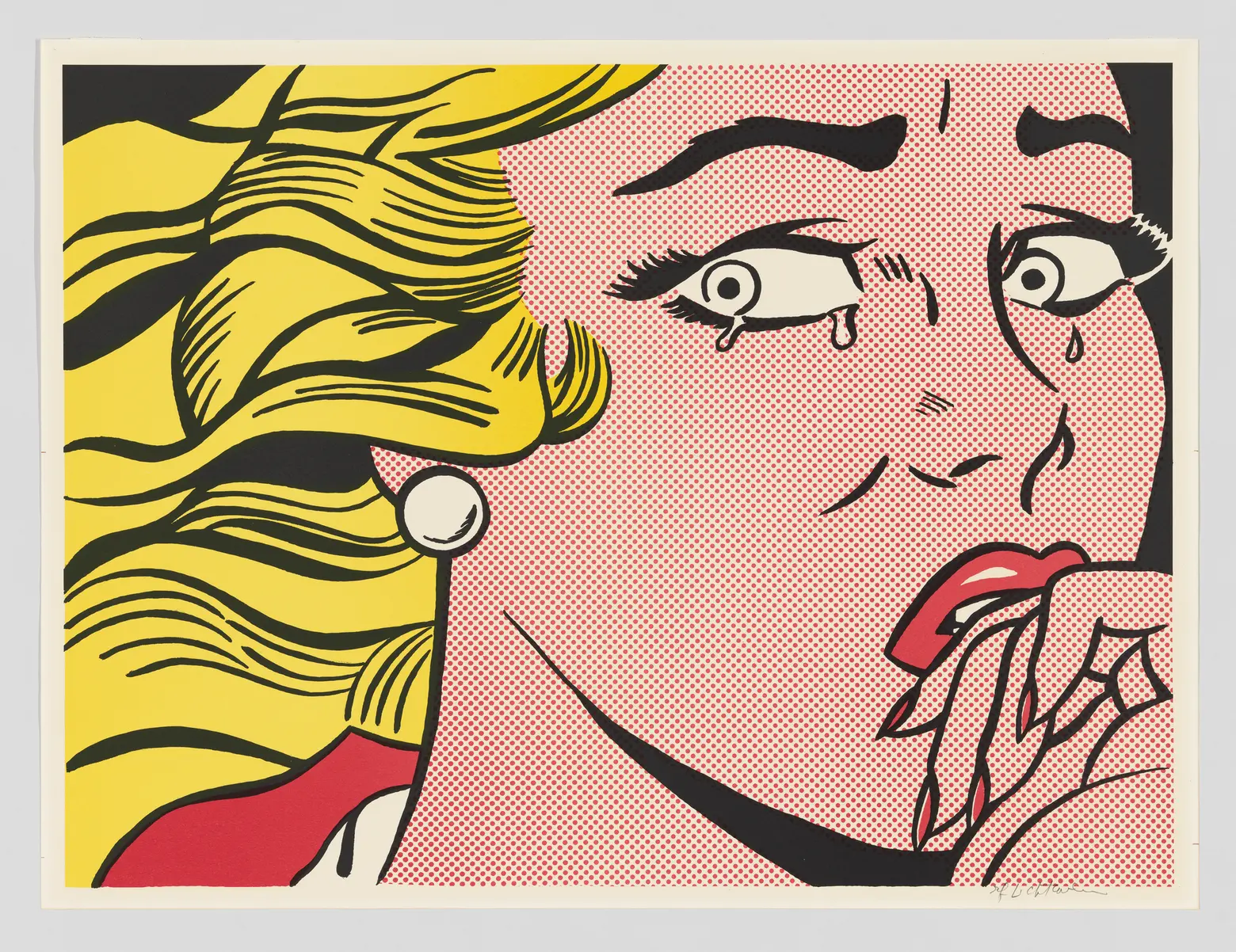
Roy Lichtenstein, Crying Girl, 1963. Offset lithograph: sheet, 17 3/4 × 23 3/4 in. (45.1 × 60.3 cm); image, 17 1/4 × 23 1/8 in. (43.8 × 58.7 cm). Whitney Museum of American Art, New York; gift of Scott Newman 2021.135. © Estate of Roy Lichtenstein/DACS 2026
The Whitney Museum of American Art is set to host a career-spanning exhibition this fall celebrating legendary pop artist Roy Lichtenstein, featuring more than 130 works exploring the evolution of his artistic career. Opening October 11, “Roy Lichtenstein: Like New” will examine the artist’s engagement with mass culture and his belief that no work is ever truly “stable,” but instead exists in a constant state of duplication, reproduction, and being “made new.” The featured works span from the early 1940s through the 1990s and offer a reconsideration of Lichtenstein’s relationship with image culture at a time when images are endlessly “cropped, filtered, reposted, and recirculated.”
One of the defining artists of the Pop Art movement and the 20th century, Lichtenstein is regarded as having transformed the “visual language” of mass-culture comics, advertising, consumer goods, and commercial printing into fine art. His work is known for its crisp, machine-like qualities, though each piece was meticulously handmade.
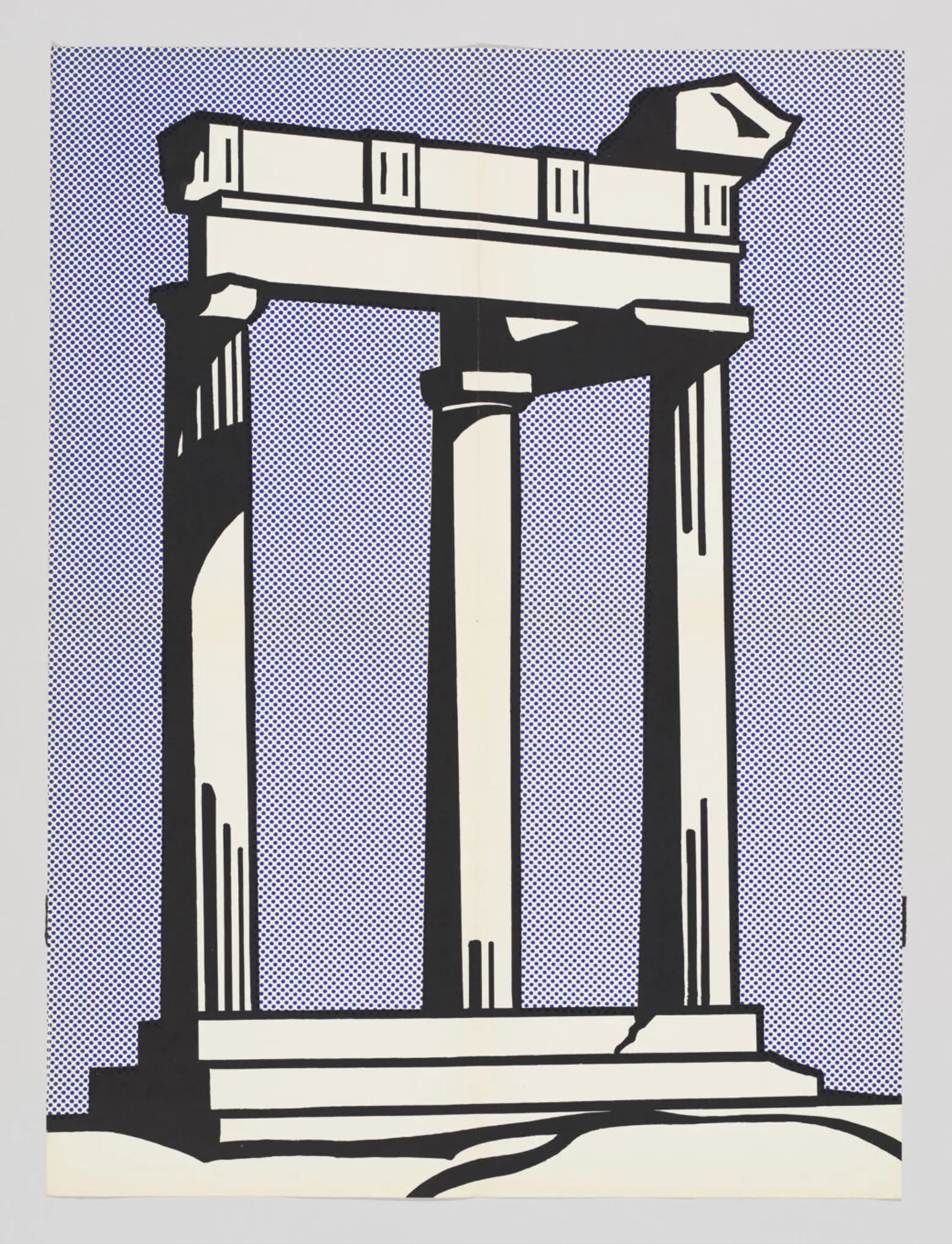
“Like New” goes beyond the artist’s surfaces to analyze how his early interest in perception and visual recognition guided his career-long inquiry into the power and stability of images. Across paintings, drawings, collages, prints, sculptures, and films, the exhibition frames Lichtenstein’s work as “unstable forms” that can be “borrowed, translated, reframed, and transformed.”
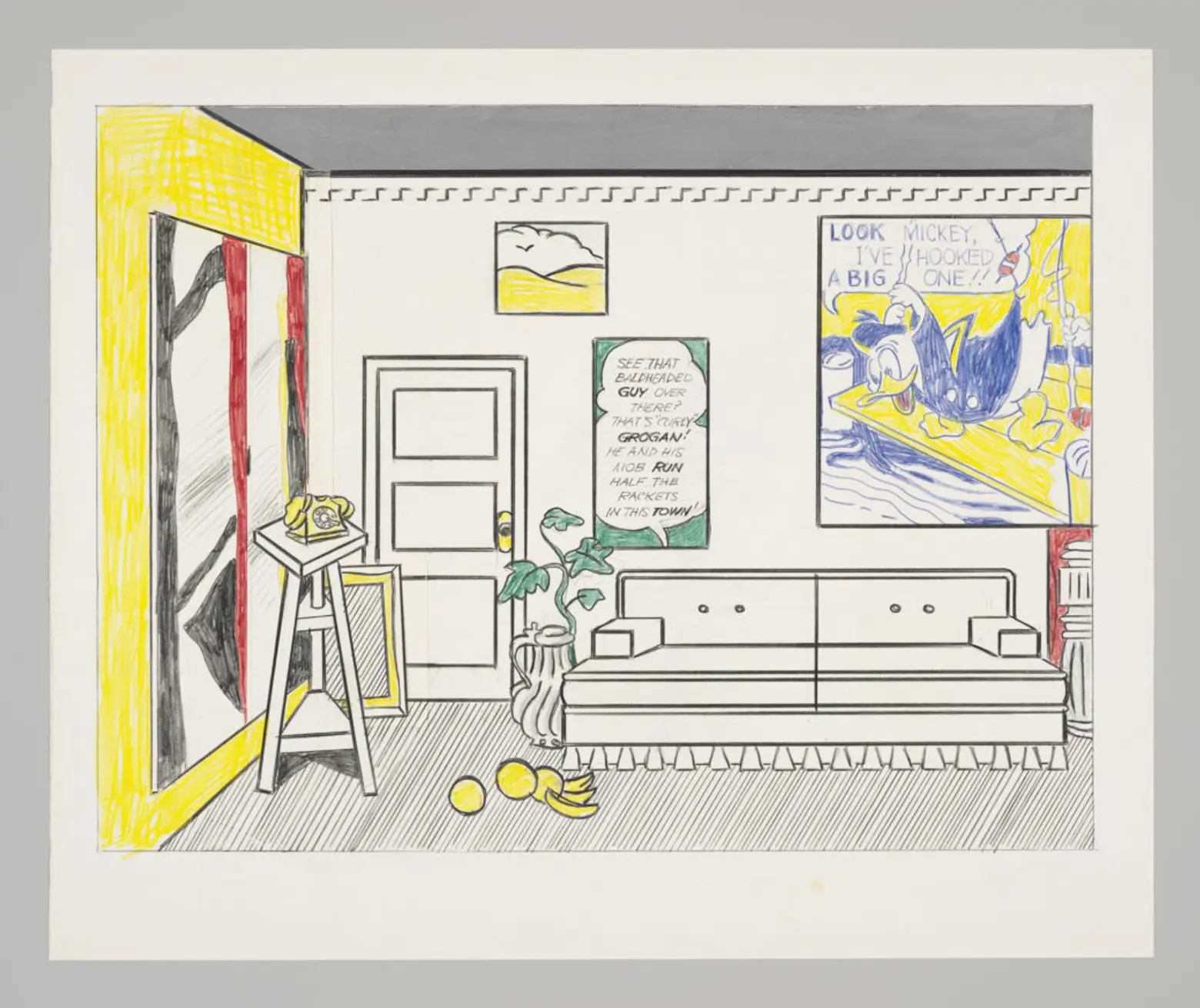
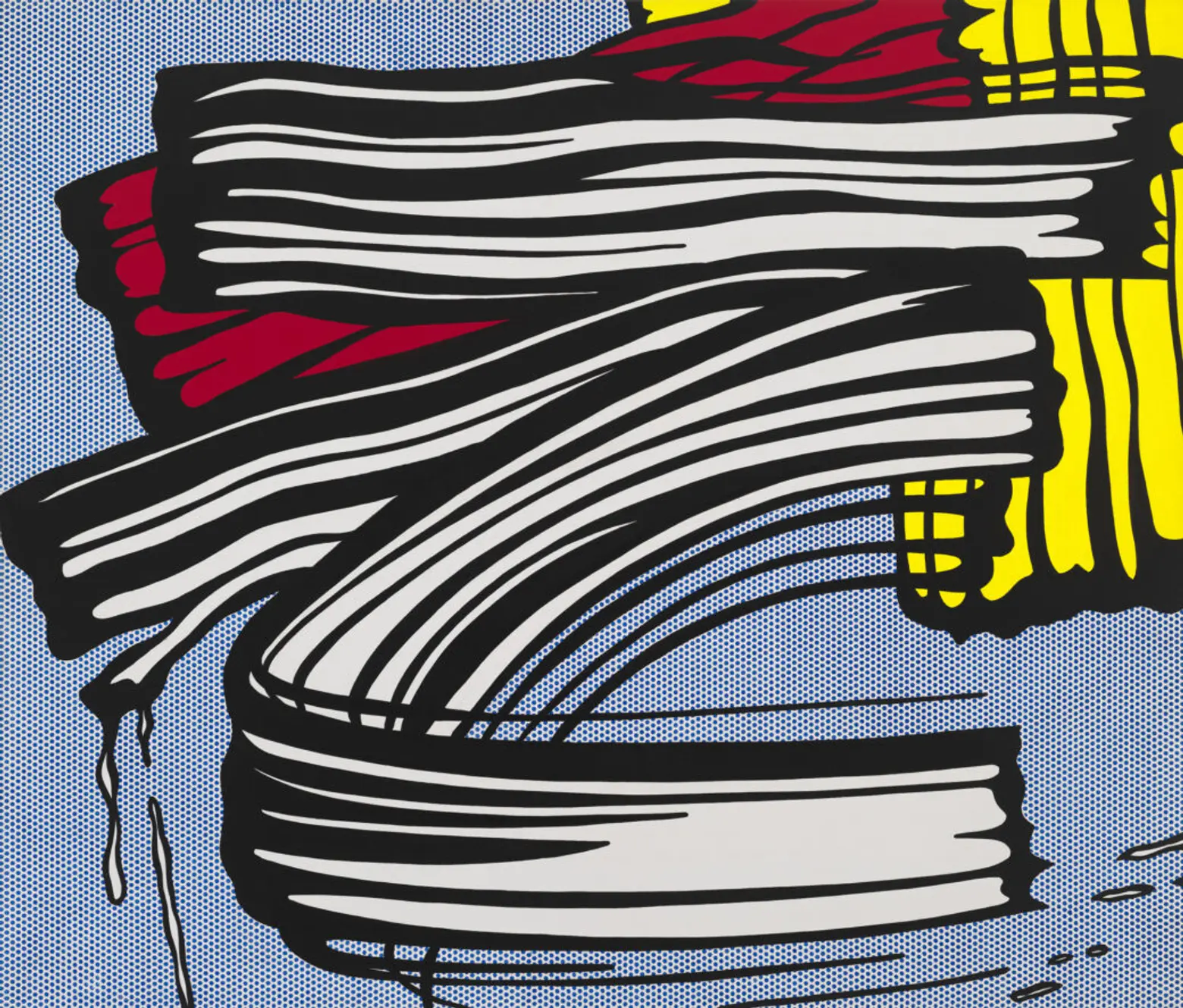
The exhibition features many of Lichtenstein’s most acclaimed works, including “Look Mickey,” “Girl with Ball,” “Masterpiece,” “Drowning Girl,” “Happy Tears,” “Little Big Painting,” “Rouen Cathedral, Set III,” and “Artist’s Studio ‘The Dance.'”
For the first time, the exhibition reunites all eight works from Lichtenstein’s 1962 debut at the Leo Castelli Gallery. The show reconstructs the intimate gallery setting, allowing visitors to experience the works together as audiences did when they were first presented.
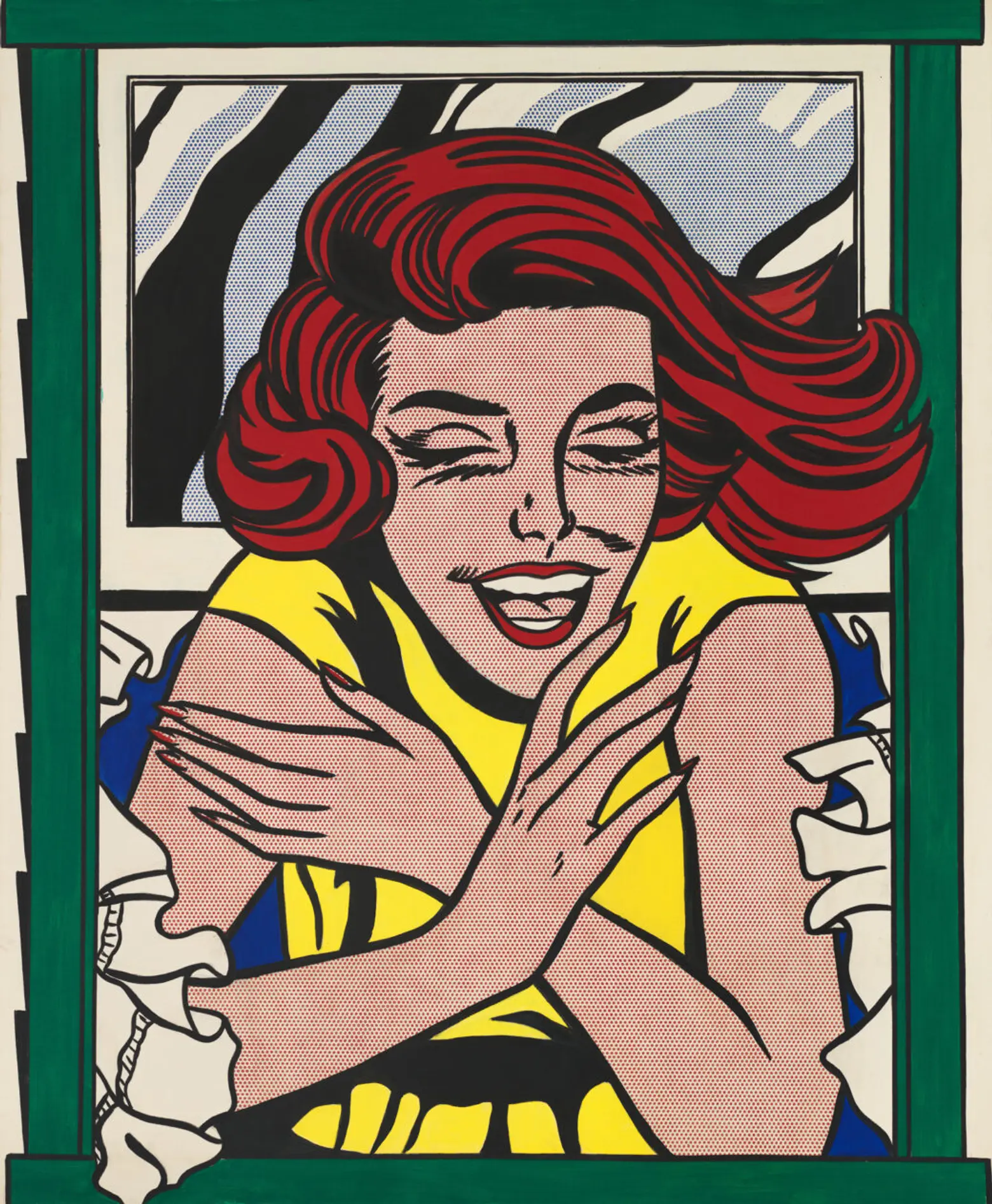
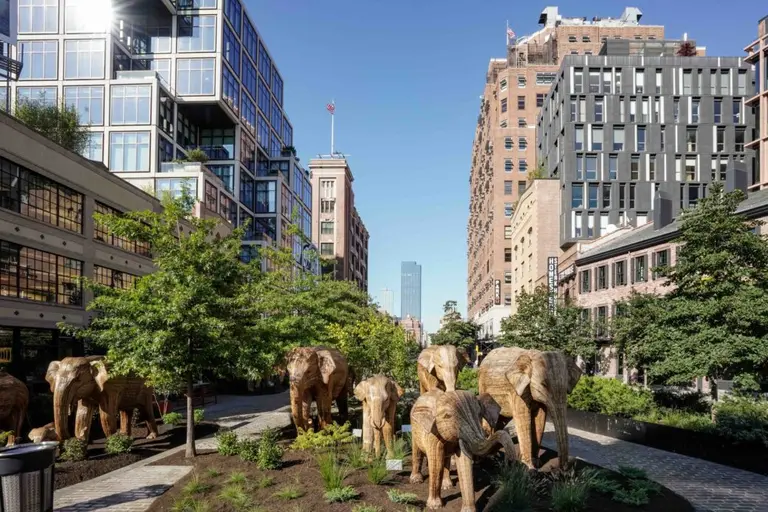
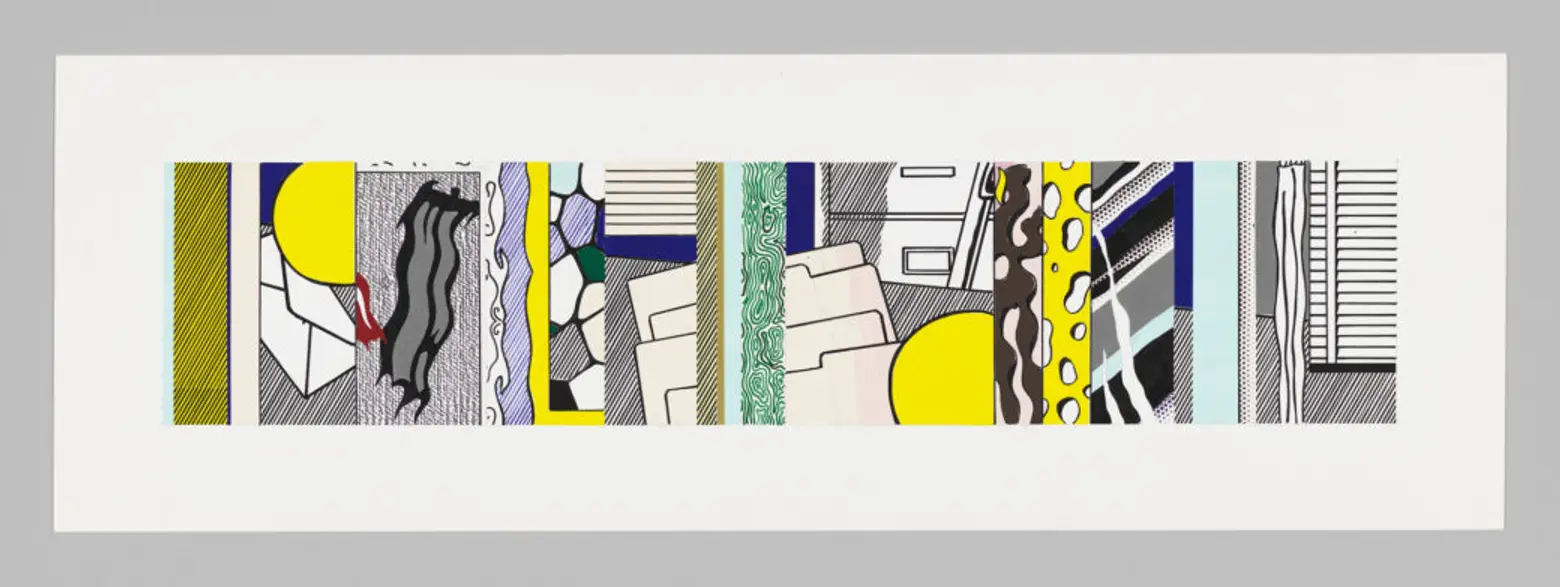
The exhibition also features recreations of three murals, including a nearly 96-foot-long iteration of “Greene Street Mural,” as well as an outdoor presentation of “Girl in Window” brought to life by artist and co-curator Alex Da Corte.
Lichtenstein’s influence on other artists will also be explored through works by Louise Lawler, Richard Pettibone, and Sturtevant, further illustrating his relationship to copying, influence, appropriation, and the “afterlife” of images.
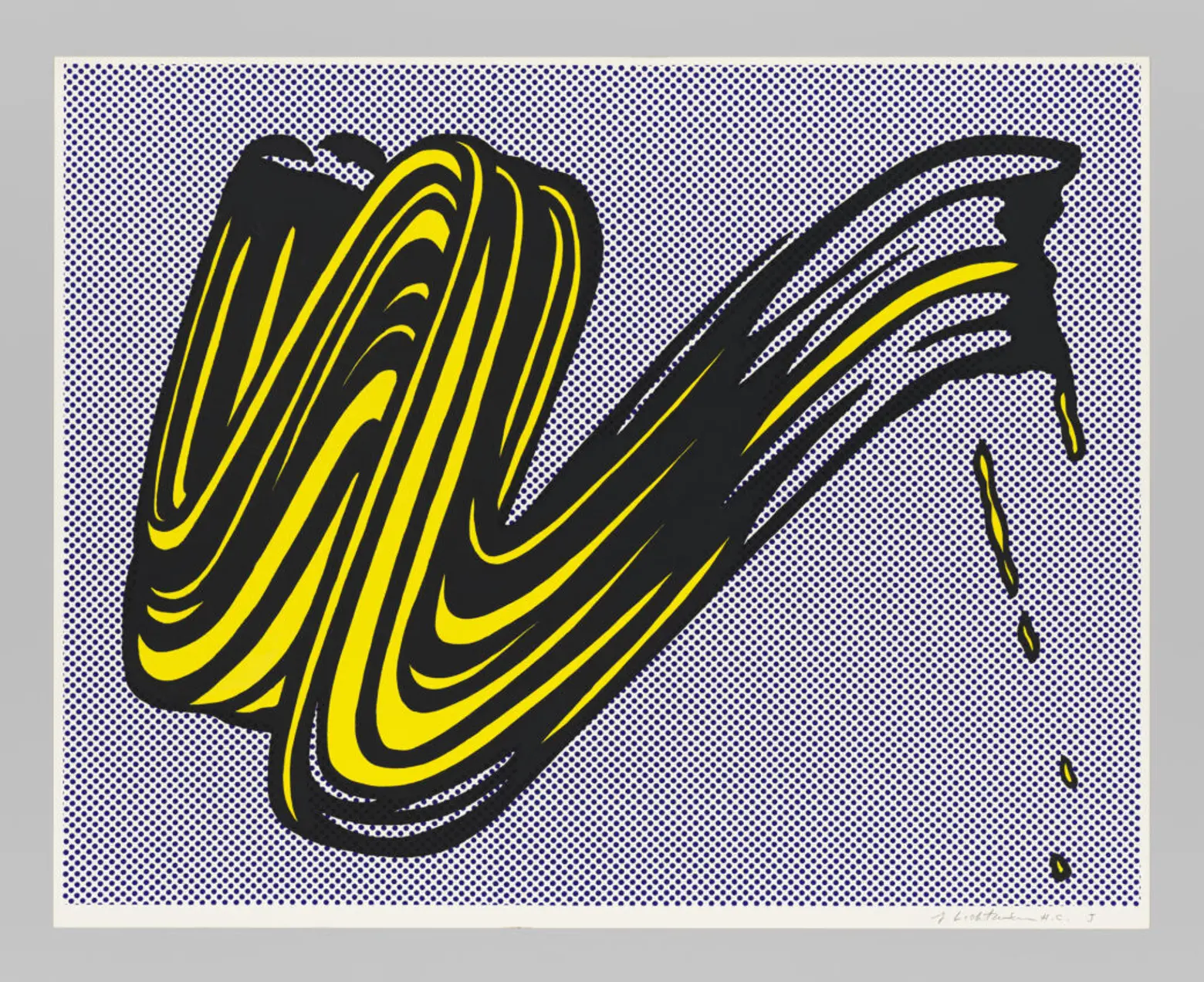
According to Design Scene, Pettibone’s reproductions of modernist paintings channel Lichtenstein’s inquiries, while Lawler’s photography of artworks in domestic spaces reflects Lichtenstein’s interest in how images function within systems of circulation and display.
Similarly, Sturtevant’s appropriations of other artists’ work, including Lichtenstein’s, push the process of copying and transformation to “its conceptual limit.” Rather than rejecting these practices, Lichtenstein’s career reflected a belief that borrowing, copying, and evolution can serve as deeper investigations into creativity and artistic expression.
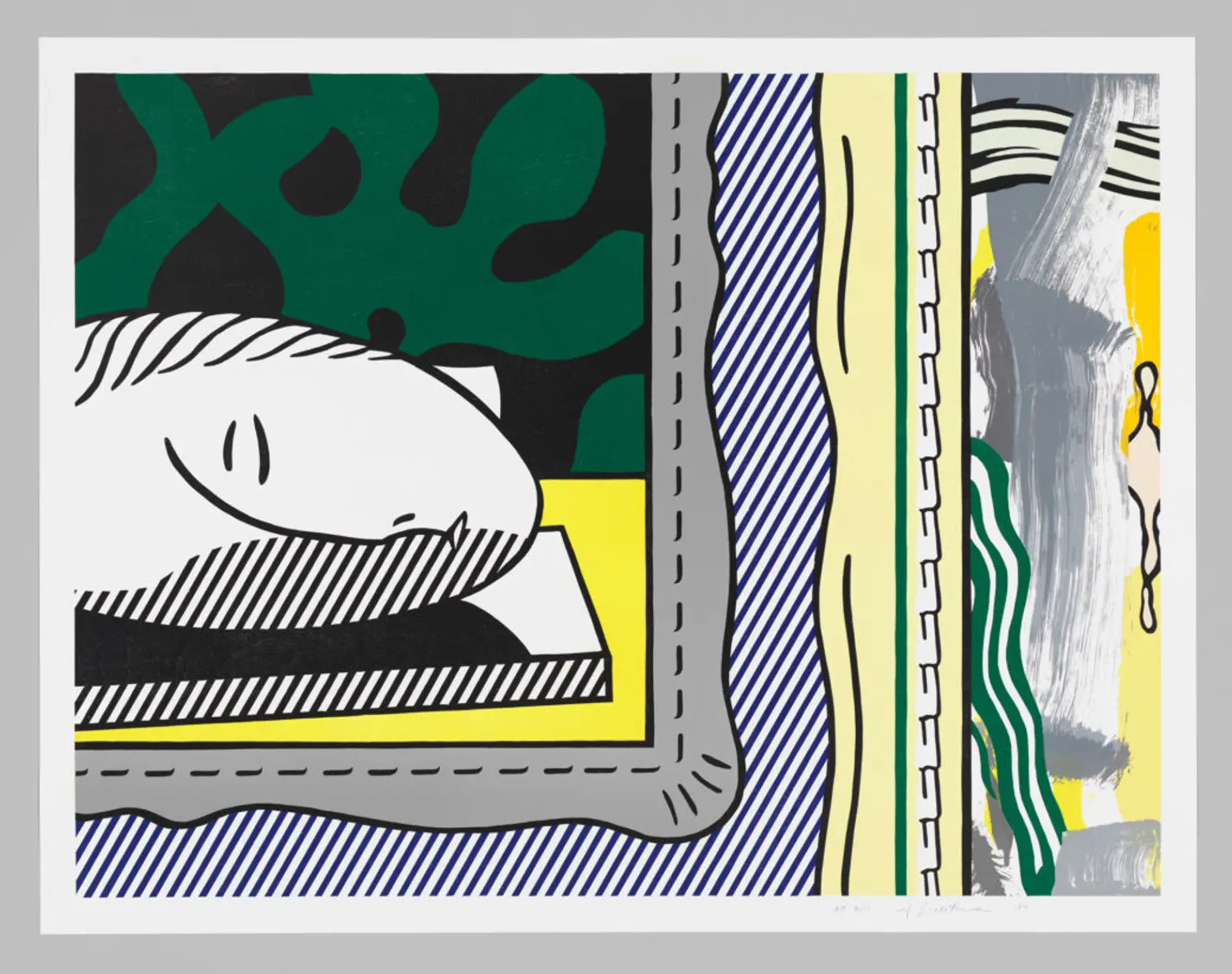
The exhibition also arrives at an increasingly relevant moment, as Lichtenstein’s inquiries into image culture continue to resonate on social media platforms like TikTok and Instagram. On these platforms, users create a constant cycle of image evolution through cropping, filtering, and reposting.
“Like New” is organized by Meg Onli, Nancy and Fred Poses Curator, and Alex Da Corte, guest curator, with Nakai Falcón, curatorial assistant, and David Crane, curatorial research associate.
Visitors can now purchase timed tickets in advance for “Like New,” which opens Oct. 11. Member previews will run from October 8 through 10.
RELATED: