NYC tourism generated $84.7B in 2025 despite decline in international visitors
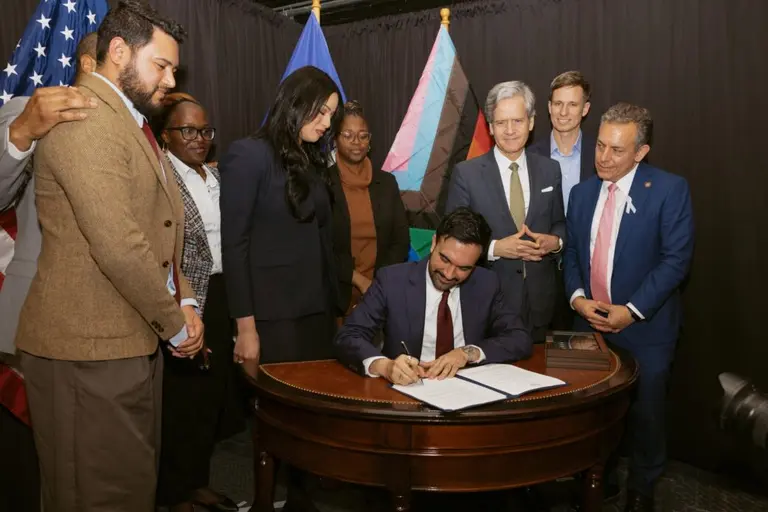
New York City’s tourism industry generated $84.7 billion in economic impact in 2025, despite a decline in international visitors amid ongoing immigration crackdowns under the Trump administration. Mayor Zohran Mamdani and NYC Tourism + Conventions President and CEO Julie Coker released on Tuesday the city’s annual tourism report, which found that the five boroughs welcomed 65 million visitors last year, a modest 0.7 percent increase from 2024. The report also found that the industry generated $55.6 billion in direct spending, $7.5 billion in tax revenue, and supported 397,000 jobs.
Domestic travel drove overall visitation, accounting for 52.4 million visitors, a 1.7 percent increase from 2024. The top five feeder markets were the NYC tristate area, Philadelphia, Washington, D.C., Los Angeles, and Boston. Overnight stays also rose 2.3 percent, accounting for 51 percent of domestic visits.
International travel declined in 2025, totaling 12.5 million visitors, a 3.2 percent decrease from 2024. However, the drop was smaller than previously expected. Despite the overall decline, visitation from the United Kingdom (1.3 percent), Italy (5.5 percent), and Mexico (1.8 percent) increased year over year.
The decline may be attributed to tightening immigration restrictions under the Trump administration. Since taking office, President Donald Trump has barred travel from several countries and tightened visa requirements.
Leisure travel accounted for 52.4 million visitors, reaching 99 percent of New York City’s peak 2019 levels. Business travel totaled 12.6 million visitors, still below the 2019 record. In 2025, NYC Tourism + Conventions booked 1,515 meetings and events, generating nearly 345,000 definite room nights.
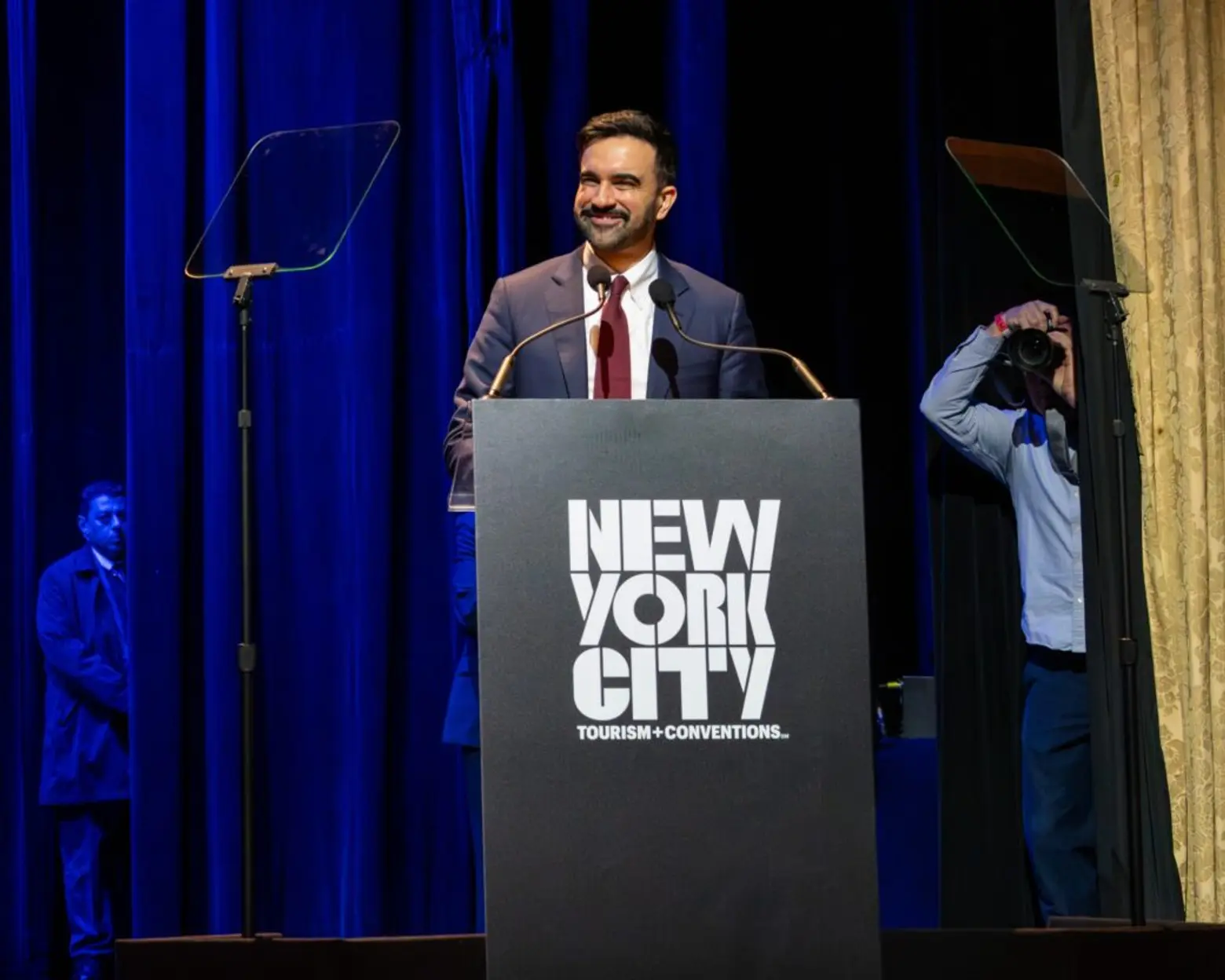
“In 2025, NYC’s tourism economy proved resilient despite global challenges, underscoring the enduring appeal of the five boroughs,” Coker said. “The international visitor market is crucial to our economy, accounting for 50 percent of tourism spending.”
“Despite international declines, we saw growth across all our economic impact metrics: total direct visitor spending was more than $55 billion, which generated nearly $85 billion in economic impact for our city, flowing into hotels, restaurants, cultural institutions, retail and small businesses across all five boroughs. The impact of the tourism industry remains critical to the entire city,” she added.
Strong hotel performance persisted in NYC last year, driven by higher-income travelers. The five boroughs ranked first in hotel occupancy among the top 25 U.S. markets, with average occupancy at 84.2 percent, roughly on par with 2024.
Occupancy averaged 82.2 percent at luxury hotels (up 1 percent from 2024), 87.5 percent at upscale hotels (unchanged), and 76.7 percent at midscale hotels (down 7 percent). Overall demand reached 38.1 million room nights sold, a 2 percent increase from 2024.
In 2026, the report projects that New York City will see 66.3 million visitors, a 2 percent increase over 2025. Domestic travel is expected to rise to 53.4 million visitors, surpassing record 2019 levels.
International travel is projected to recover to 12.9 million visitors, returning to 2024 levels, with growth expected across all of NYC’s top 20 international markets. Business travel is also expected to grow to 12.8 million visitors, a nearly 2 percent increase over 2025.
The report also expects the FIFA World Cup 2026 games, which will be hosted at New Jersey’s MetLife Stadium, to drive 1.2 million visitors to the region and generate $3.3 billion in economic impact, including $1.8 billion in direct spending, while creating 26,000 jobs.
However, while the World Cup is expected to drive more visitors to the tristate area, The City reported last week that advanced hotel bookings for the tournament, which begins in less than three months, are trending 2 percent lower than on the same dates in 2025, when no major events were scheduled.
The slowdown may be attributed to higher hotel costs. According to the report, the average daily rate for hotels was $334, up 5 percent from 2024. At a Midtown Hilton, the cheapest room in late May is priced at $379 per night, but rates jump to $533 per night for the four days leading up to the first soccer match on June 13, according to The City.
Sports economists told The City that FIFA’s projections were “wildly out of line” with previous World Cup tournaments, largely because most tickets are expected to be purchased by people living in the NY area, with a possible exception for the final match. Additionally, travelers attending the games may opt for more affordable accommodations.
RELATED: