
NYC sees 23 percent more new homes in first year of City of Yes
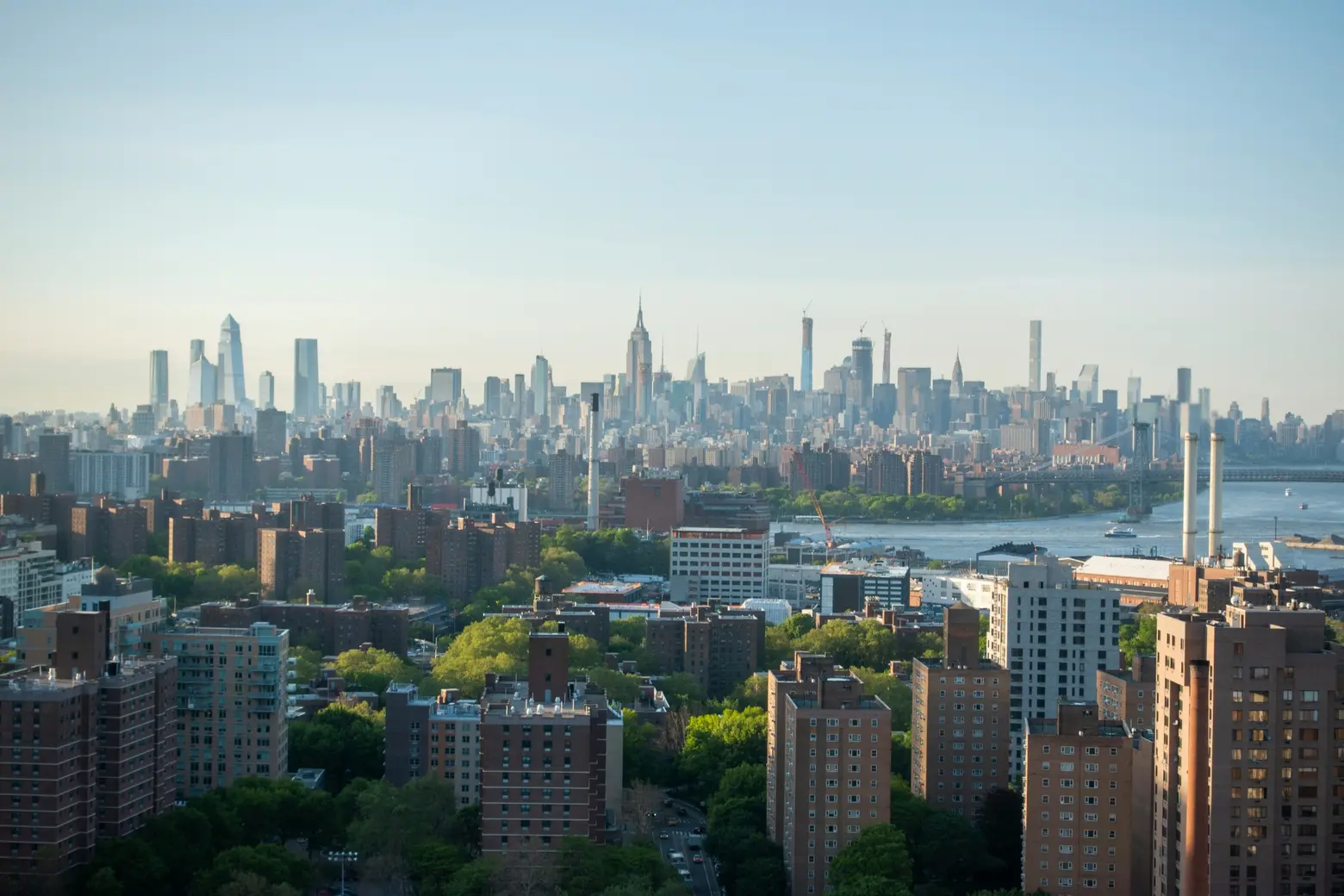
Credit: Daniel Lee on Unsplash
Housing production in New York City rose 23 percent in the first 10 months of 2025, since the passage of Mayor Eric Adams’ “City of Yes” housing plan, according to city data. Coinciding with the first anniversary of the plan’s passage on Friday, Mayor Eric Adams and Department of City Planning Commissioner Dan Garodnick released new statistics showing that the city has permitted roughly 17,600 new homes through late October, a 22.8 percent increase from the same period in 2024. Key reforms under the plan include the legalization of accessory dwelling units, affordable housing bonuses, new zoning districts, reduced parking mandates, and more.
Adams called his administration the “most pro-housing administration in city history.”
“One year ago today, our city said ‘yes’ to more housing and a more affordable future for working-class New Yorkers,” Adams said. “We turned the page on decades of half-measures and proved that government can still meet the challenges of our time with energy, ambition, and resolve.”
“One year later, we are already seeing the results, with thousands of new affordable homes in the pipeline across our city. Whether it’s passing the first citywide rezoning in six decades, investing historic amounts of money into new homes, or creating record amounts of affordable housing, we are proud to be the most pro-housing administration in city history.
Passed by the City Council on December 5, 2024, the “City of Yes for Housing Opportunity” package is the most comprehensive housing plan in NYC’s history, aiming to build “a little more housing in every neighborhood” through a series of zoning changes. Its reforms are projected to create more housing than any efforts led during Bill de Blasio’s eight-year administration or Michael Bloomberg’s 12-year administration, as 6sqft previously reported.
One element, the Universal Affordability Preference (UAP), lets buildings in medium- and high-density areas add at least 20 percent more units if the additional homes are permanently affordable. Over 100 housing developments across the city have already applied to use it.
These projects are expected to generate 5,400 new homes, of which roughly 900 would be affordable to households earning an average of 60 percent of the area median income.
New high-density zoning districts created through City of Yes—R11 and R12—have been mapped in Adams’ Midtown South rezoning plan, approved by the Council in August, and are expected to enable 9,500 new homes, including 2,800 permanently affordable units.
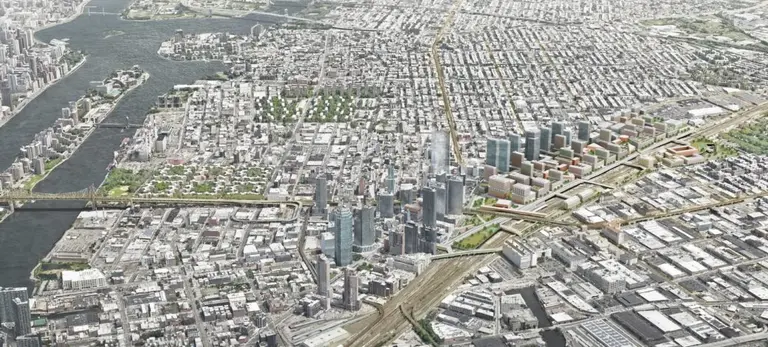
In addition to City of Yes, thousands of additional homes are also planned through other neighborhood rezonings initiated under the Adams administration, including Long Island City, Jamaica, Atlantic Avenue, and the Bronx-Metro North Station Area Plan.
These zoning districts are also proposed for the future 125th Street Second Avenue Subway station site and for 395 Flatbush Avenue Extension in Downtown Brooklyn, currently under review, where they could add another 1,800 homes.
In addition, reducing off-street parking requirements for new developments is further boosting housing production. For example, an underused lot at 2060 Walton Avenue in the Bronx is being transformed into 94 homes without the 25 previously required parking spaces, substantially lowering building costs.
Similarly, at 21 Freeman Street in Brooklyn, a vacant lot near the G train is slated to become more than 500 new homes without the 140 parking spaces previously required.
A major factor in the increased housing figures is office-to-residential conversions, which have been streamlined by City of Yes reforms and the state’s new 467-M tax incentive. More than 12,000 homes are currently in the pipeline from office conversions, including over 3,000 permanently affordable units.
The impact of office-to-residential conversions on the city’s housing stock cannot be overstated. According to a July report by City Comptroller Brad Lander, the 44 office conversions initiated after the pandemic could transform 15.2 million square feet of office space into as many as 17,400 homes in the coming years.
City of Yes has also legalized certain accessory dwelling units (ADUs)—including backyard, basement, cellar, or attic apartments—to increase housing production. The Department of Buildings has already received 98 applications from homeowners across Brooklyn, the Bronx, Staten Island, and Queens, with half submitted in the past two months since the city finalized rules for safe, code-compliant ADUs.
Additionally, last month the city released draft guidelines for a basement apartment legalization program, targeting qualifying one- and two-family homes citywide.
“With the adoption of City of Yes for Housing Opportunity, we have begun to turn the tide on the housing crisis in NYC,” DCP Commissioner Garodnick said. “The full impact of these changes will take time to be felt, but twelve months in, we’re already seeing success delivering a little more housing in every neighborhood.”
“NYC’s housing crisis has been growing for so long that it is easy to take it for granted. But with City of Yes and other policy changes, we are changing course and creating a more affordable city for generations to come.”
RELATED:
Get Inspired by NYC.
Leave a reply
Your email address will not be published.












and the majority of those so called affordable housing are for high income earners, not truly affordable housing, because politicians not all of them take money from these profit over people developers and developers get big tax breaks, the rents in these AMI are constantly rising, we need truly affordable housing from 30% AMI and up in more desirable neighborhoods, no more housing income segregation policies in NYC