
NYC faces $12B budget deficit, new comptroller warns

Credit: Matthew Moloney on Unsplash
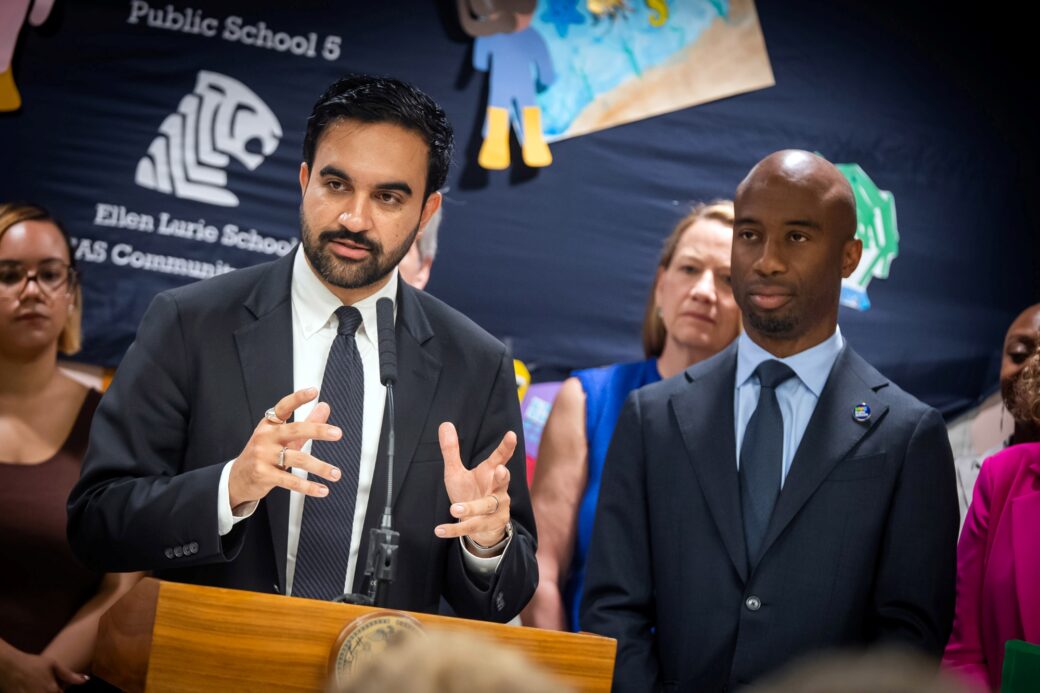
Mark Levine, New York City’s new comptroller, is sounding the alarm on a $12 billion budget shortfall—the city’s largest since at least the 2008 recession. Levine shared the figures with The City ahead of a report set for Friday, estimating that the current budget will close this fiscal year in June with a $2 billion deficit, while next year’s gap could reach $10 billion, posing a major challenge for Mayor Zohran Mamdani’s administration. The comptroller attributed the financial difficulties to sluggish economic growth and fiscal mismanagement under former Mayor Eric Adams.
The shortfall far exceeds projections under the Adams administration and other fiscal monitors. Levine, who took office on January 1, told The City he intends to be an “extremely activist” comptroller on the city’s budget and mayoral policies.
“I plan to be an extremely activist comptroller, including on the budget,” Levine said. “It is more necessary than ever because we have so much uncertainty in the economy and we need to take steps to close the budget gap.”
Levine has already begun moving to fulfill his campaign promises to find up to $3 billion for affordable housing, resume pension fund purchases of Israeli bonds, and modernize outdated government processes. His office has launched a program aimed at tripling the $1 billion that the pension funds have already invested in subsidized housing construction across the five boroughs.
He also plans to proactively audit the city’s Department of Housing Preservation and Development, where bureaucratic delays and red tape are known to stall affordable housing projects for up to 18 months.
The comptroller’s estimates leave Mayor Mamdani in an even more precarious fiscal situation than previously projected. A central tenet of Mamdani’s campaign platform called for raising taxes on wealthy individuals and corporations, with the revenue earmarked for initiatives such as free buses and childcare.
In her 2026 State of the State address last week, Gov. Kathy Hochul, however, pledged not to include tax increases for the wealthy in her budget. She did raise the state’s childcare spending to $4.5 billion for the coming year, funding the first two years of her proposed $1.7 billion expansion—a major win for Mamdani, whose campaign also prioritized free childcare for New Yorkers aged six weeks to five years.
On January 8, Hochul announced a partnership with Mayor Mamdani to provide free childcare for two-year-olds in NYC and to strengthen the existing 3-K program. Future plans include expanding access to free childcare so that all four-year-olds in the state will have pre-K by the 2028–29 school year.
At a December event hosted by the Citizens Budget Commission, First Deputy Mayor Dean Fuleihan, Mamdani’s lead budget advisor, said the administration would include revenue from new taxes only if Hochul included them in her budget, according to The City.
Despite Hochul’s actions, Mamdani said in an official statement that the governor’s budget made “meaningful investments” to improve affordability in NYC and ensured his administration “would not repeat the mistakes of the past.”
“Gov. Hochul’s budget makes meaningful investments that move us closer to an affordable and livable New York—especially through critical advancements in early childhood education.”
He continued, renewing calls for wealthy corporations to pay their fair share, and said his administration will begin its “full review” of the budget.
“It is time to ask NYC’s wealthiest and large corporations to pay their fair share, while also working toward a fiscal relationship with the state that better reflects NYC’s status as the economic engine of the state,” Mamdani said.
He added, “We are just beginning our full review of the governor’s budget and will have more to say as we dig into the details. Our guiding principle is clear: fiscal responsibility must go hand in hand with protecting working families, preserving our social safety net, and building a city that works for the many—not just the few.”
RELATED:
Get Insider Updates with Our Newsletter!
Leave a reply
Your email address will not be published.




















HOW CAN NYC FACE A $12 BILLION DOLLAR DEFICIT? DIDN’T PRESIDENT DONALD TRUMP GIVE THE CITY A $116 BILLION DOLLAR ALLOWMENT FOR 2026 ?