
New Yorkers vote to pass housing ballot proposals
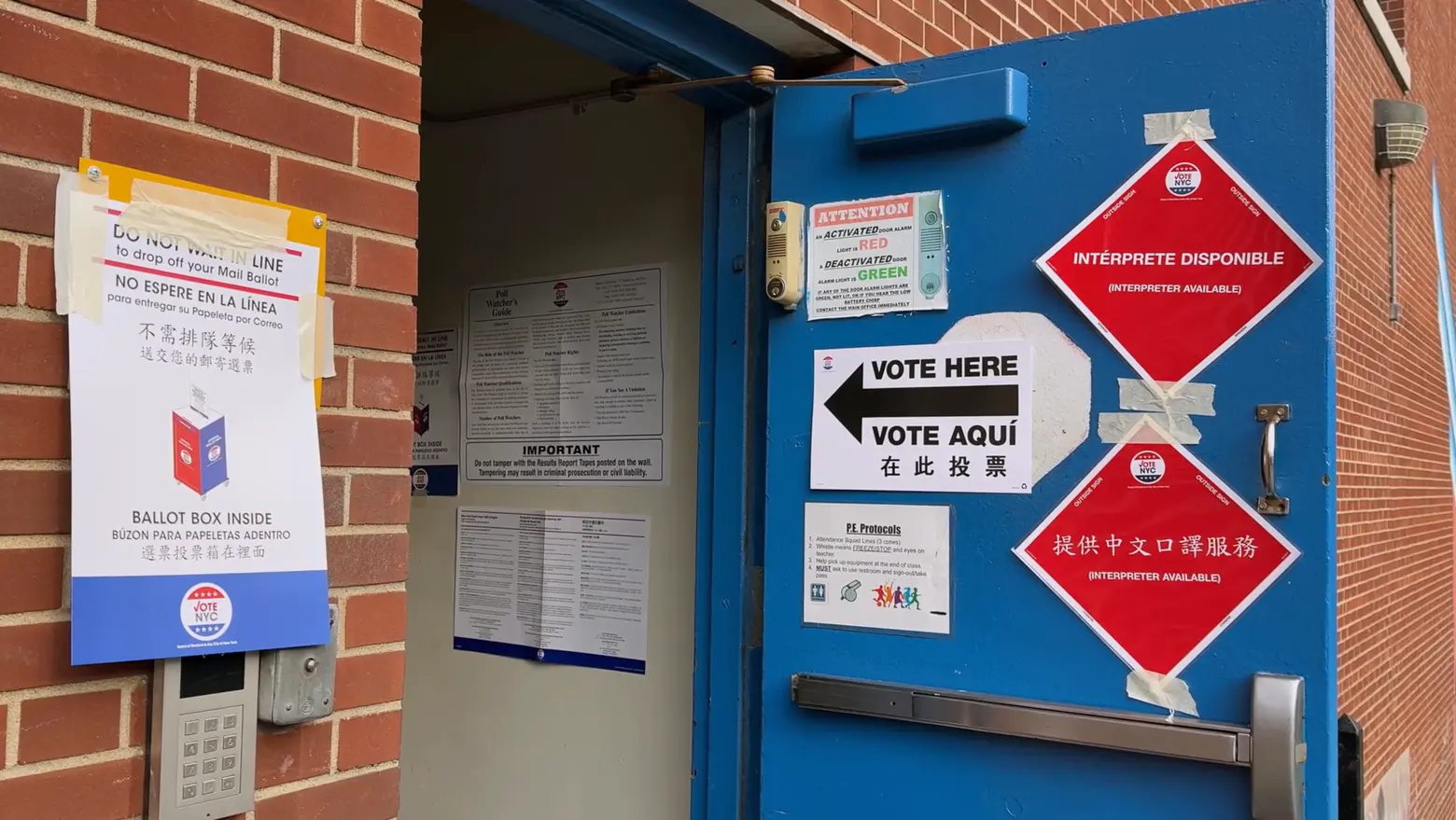
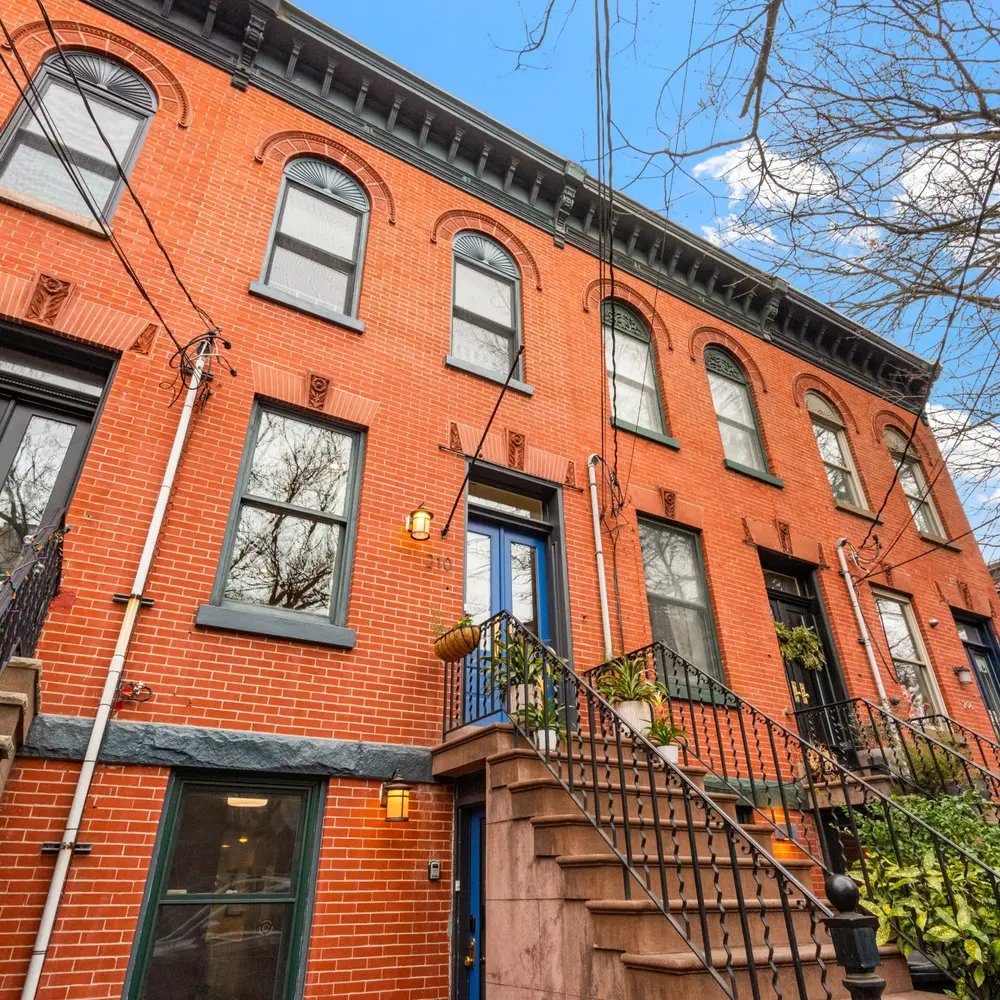
Credit: Open Journalism Network by InOldNews on Flickr
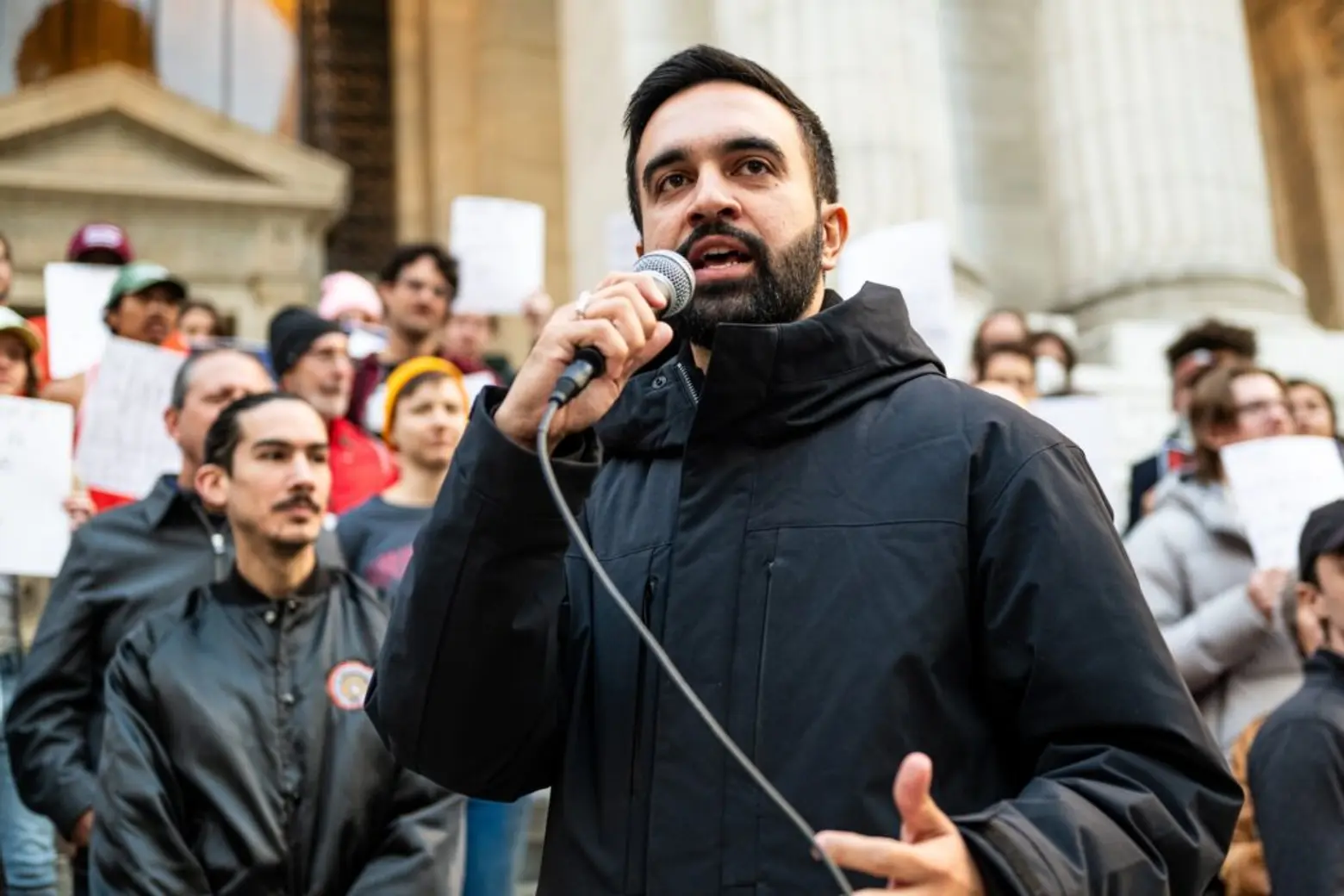
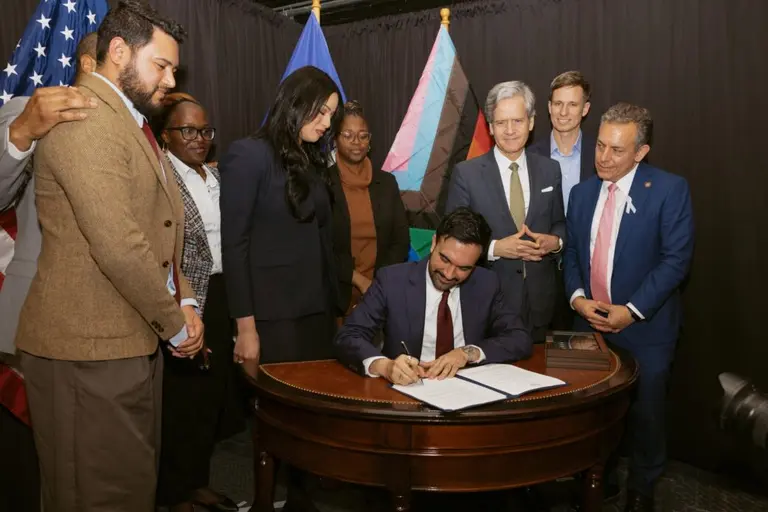
New Yorkers voted to approve several housing ballot questions as part of this year’s general election. After turning out in record numbers on Tuesday, voters elected Zohran Mamdani as the city’s next mayor and voted yes on four proposals aimed at redesigning the process for building more housing across the five boroughs, as the city faces a housing shortage and affordability crisis.
What were the housing measures?
An independent commission created by Mayor Eric Adams in 2024 wrote the measures after gathering feedback from the public. There were six ballot proposals, with three of them aimed at addressing the city’s current housing crisis by allowing housing to be built faster, particularly affordable housing. Question 5 creates one digital city map, and Question 6 moves the city’s election dates to be held in the same year as federal presidential elections.
On Tuesday, voters approved all five housing ballot measures, but rejected Question 6.
Question 2: Fast Track Affordable Housing to Build More Affordable Housing Across the City
This proposal establishes faster public processes for developing affordable housing. It first creates a new action within the Board of Standards and Appeals to grant zoning relief for publicly-financed affordable housing projects.
The measure will introduce a new, streamlined public review process for applications that deliver affordable housing in community districts that have built the least.
Adams argued that one of the biggest barriers to building new affordable housing is the Council’s policy of “member deference,” in which the full Council follows the lead of the local member representing the area where a project is proposed, according to the New York Times.
Part of the plan focuses on developing housing in neighborhoods that have fallen behind in new construction, particularly in the outer boroughs. Last week, the New York Housing Conference released a special edition of its NYC Housing Tracker Report, which found that just 10 of the city’s 51 Council districts have produced more than half of all new affordable housing since 2014.
Question 3: Simplify Review of Modest Housing and Infrastructure Projects
This proposal creates a new, simplified review process for select land use changes, including modest increases in how much new housing is allowed, the acquisition and disposition of land to facilitate affordable housing, and urgently-needed climate resiliency projects.
Question 4: Establish an Affordable Housing Appeals Board with Council, Borough, and Citywide Representation
This proposal establishes a new Affordable Housing Appeals Board composed of the borough president, the City Council speaker, and the mayor. The board would replace the mayor’s veto at the end of the Uniform Land Use Review Procedure (ULURP) for projects that create affordable housing.
The Appeals Board could overturn City Council decisions on certain land use matters, but only with agreement from at least two of its three members. In response to public feedback, officials revised the proposal to apply exclusively to projects that produce affordable housing rather than all land use applications.
Question 5: Create a Digital City Map to Modernize City Operations
This proposal consolidates the official city map—a little-known but vital tool for approving housing and infrastructure projects—into a single, digitized map. Currently, the city’s mapping system consists of five separate sets, one for each borough, totaling more than 8,000 individual paper maps.
The City Council opposed the measures
The City Council firmly opposed three of the four housing ballot questions, arguing that the measures would significantly weaken its authority over land use decisions. The body did not take a position on Question 5.
In the days leading up to Tuesday’s election, the Council launched a campaign urging New Yorkers to vote “no” on the proposals, sending thousands of mailers to city households warning that the measures would “take away your power” and result in “less affordable housing and more gentrification,” according to Crain’s.
For the first three questions, the Council said that the measures “take away communities’ power to ensure proposed development includes more affordable housing and investments to support the needs of their neighborhoods, like parks, public transit, and schools.”
Ethics experts have since told Crain’s that the campaign may have violated a city law prohibiting the use of government resources to influence voters on a referendum.
In response to the ballot measures’ approval, City Council spokesperson Benjamin Fang-Estrada issued a statement calling the proposals “misleading” and warning that they would “weaken democracy.”
“New Yorkers desperately need more housing that is affordable to them, but the solution isn’t to take away communities’ power to secure more affordability and essential public goods from developers and the City,” Fang-Estrada said.
He added: “These misleading ballot proposals permanently change the City’s constitution to weaken democracy, lasting beyond the next mayor when we inevitably have a mayor who is bad on housing, equity, and justice for communities.”
Jim Whelan, president of the Real Estate Board of New York (REBNY), whose members mostly opposed Mamdani’s campaign, issued a statement congratulating the mayor-elect and pledging to work with him to address the city’s housing challenges, according to Crain’s.
“REBNY is prepared to work with the next mayor to address the issue of housing affordability and other challenges facing our city,” Whelan said.
A boost for Mayor-elect Mamdani’s housing agenda
After previously declining to state his positions on the ballot questions, Mamdani said on Tuesday he voted “yes” on all proposals but Question 6. Now, as mayor, Mamdani will be able to more easily deliver his goal of 200,000 new affordable homes over the next decade.
Open New York, which led a $2 million campaign to pass 2-5 ballot proposals, said New Yorkers “overwhelmingly” chose to build more housing at the ballot box.
“Running an affordability‑first campaign, Mamdani defeated two status‑quo opponents and will take office with a sweeping mandate to deliver more homes, better transit, and lower rents,” Andrew Fine, chief of staff and policy director at Open New York, said.
“Preliminary returns also show pro‑housing candidates leading or winning in 10 of 10 contested districts, giving the Council its strongest housing caucus to date—comprising nearly 20% of the incoming Council.”
Mamdani said he will freeze the rent for all stabilized tenants, about two million New Yorkers, through his Rent Guidelines Board appointees, and expand programs that serve low-income families, such as the Department of Housing Preservation and Development’s Senior Affordable Rental Apartments and the Extremely Low and Low-Income Affordability programs, according to his campaign website.
Cea Weaver, director of the NY State Tenant Bloc, released a statement following Mamdani’s victory, calling it the “first step” in a broader effort to “lower the rent.”
“Tenants are the majority in New York,” Weaver said. “In June, we sent a clear message to the real estate industry: you can’t buy this city. Tonight, tenants beat back millions to prove it again. Zohran Mamdani’s win is just the first step in a longer fight to lower the rent – a fight we are ready to take on.”
She added: “We know landlords and developers will throw everything they have to stop us. They can go ahead and try. We are ready to freeze the rent with the mayor-elect and continue this momentum into next year’s statewide races.”
How landlords are responding
Even before Tuesday’s election, landlords voiced concern about Mamdani’s potential win, citing his proposals to raise taxes on the wealthy and freeze rents for stabilized tenants.
According to Politico, some landlords fear that freezing rents on stabilized apartments could lower the value of rent-stabilized properties and reduce available capital for repairs and renovations, leaving more homes in disrepair. The problem could worsen as a growing share of multifamily buildings faces physical and financial distress due to inflation and higher interest rates since the pandemic.
These issues could indiscriminately affect smaller landlords, said Ann Korchak, board president, and Lincoln Eccles, board vice president of the Small Property Owners of New York, in an official statement.
Korchak and Eccles said they are determined to show Mamdani that small property owners are partners in creating affordable housing—”the Black, brown, immigrant and culturally diverse New Yorkers that are part of his new age that he defines by a ‘competence and compassion’ that he correctly says have ‘too long been placed at odds with one another.'”
The two called the rent freeze “affordable housing Armageddon” for both tenants and landlords, urging Mamdani to let the Rent Guidelines Board continue setting rent adjustments based on its data. They also pressed the mayor-elect to provide small property owners with the resources needed to maintain their buildings and deliver quality, affordable housing.
RELATED:
Get Insider Updates with Our Newsletter!
Leave a reply
Your email address will not be published.













I hope these developers start building way more of TRULY AFFORDABLE HOUSING, in better off neighborhoods that has not build any truly affordable housing, and they need to work on these RENTS IN THE AMI