New bill requires air conditioning in most NYC apartments by 2030
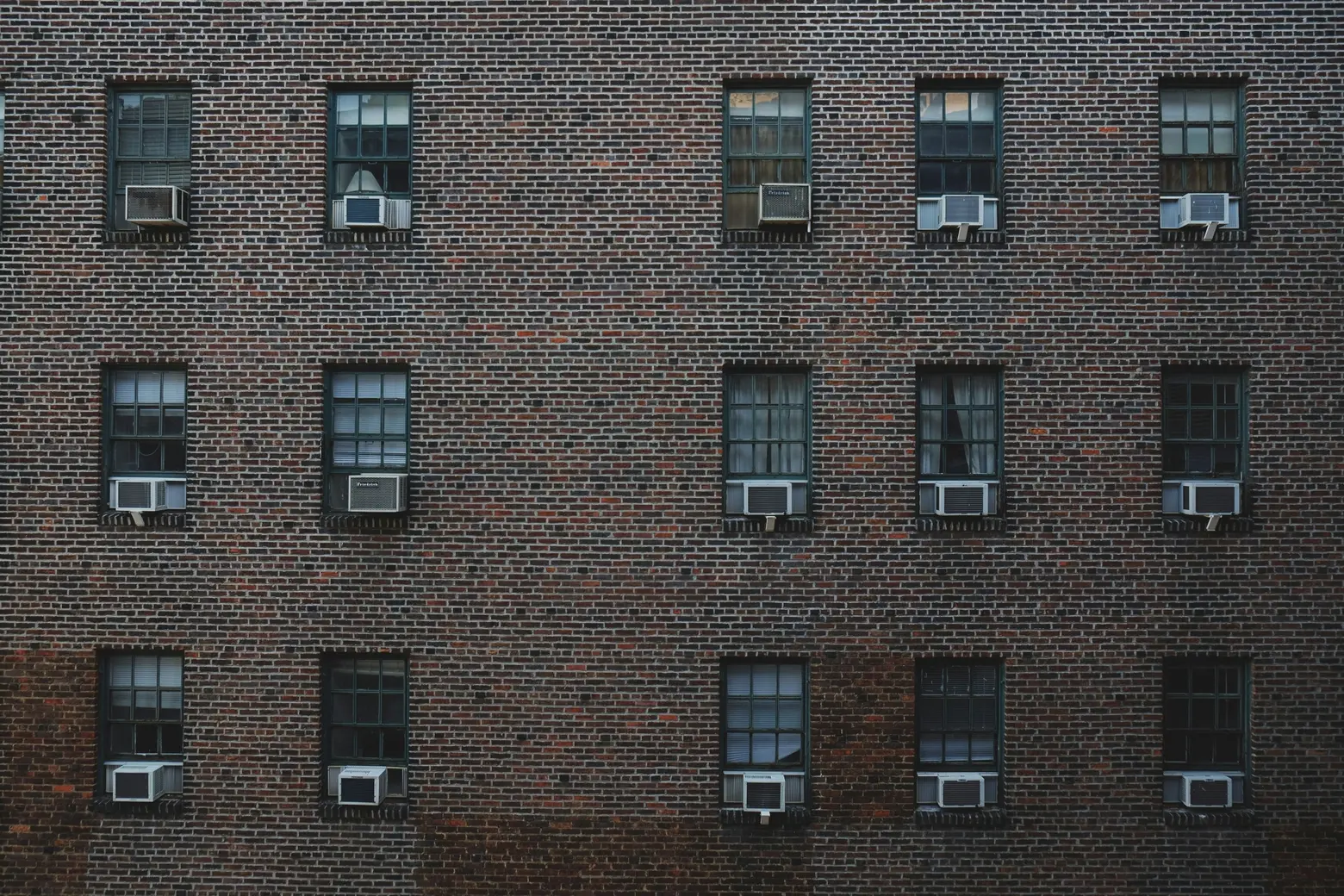
Credit: Thomas Layland on Unsplash
It may seem ludicrous to think about turning on your air conditioner during this bitter cold, but a new bill passed this week will eventually require most New York City apartments to have one—though it will be a few years before it takes effect. Enacted last weekend, the bill requires landlords to provide air conditioning, prompted by hotter summers and rising heat-related illnesses and deaths. The bill gives landlords until 2030 to comply, after which the city’s Department of Housing Preservation and Development (HPD) will enforce the rule, Council Member Lincoln Restler, the bill’s sponsor, told Gothamist.
Restler first introduced the bill in July 2024 following multiple heat waves that summer. The legislation became law after former Mayor Eric Adams failed to sign or veto it within 30 days.
Similar to the city’s long-standing law requiring landlords to provide tenants with adequate heat during winter—a right codified in 1918—the legislation updates the housing code to also mandate air conditioning during the warmer months.
Under the legislation, landlords must maintain temperatures at 78 degrees during the cooling season, June 15 through September 15. Tenants can report cooling inadequacies to HPD, which would then inspect the property. Fines would range from $350 to $1,250 per day, with landlords who address the cooling problem within 24 hours of their first violation paying only $250, as 6sqft previously reported.
Los Angeles, Phoenix, Dallas, New Orleans, and Chicago have enacted similar laws, and Restler predicts many other cities will soon follow suit.
Current estimates indicate that 850,000 New Yorkers lack air conditioning in their homes, with the majority living in low-income neighborhoods and communities of color, according to the city’s 2025 Heat-Related Mortality Report.
The report highlights the deadly consequences of inadequate cooling: from 2018 to 2022, roughly 525 people died each year from heat, and Black New Yorkers faced death rates twice as high as white New Yorkers. As 6sqft previously reported, neighborhoods with the least access to air conditioning also have the highest rates of heat vulnerability, including Central Brooklyn, Harlem, Southeast Queens, and the Bronx.
Opponents argue the law will hurt landlords, particularly small property owners. However, it does include an extension option for building owners who claim certain hardships. The measure also requires leases to specify who pays certain costs, such as electricity.
In a statement, Council Member Joann Ariola, one of the seven representatives who voted against the measure, said the law would place an “additional burden” on small property owners.
“This legislation places an additional burden on those small property owners who are already being crushed by the weight of ever-growing regulations,” Ariola said, according to Gothamist, “and might force more of them out of the rental game altogether, which would only further contract the already limited rental market in NYC.”
Restler also said building owners will bear the cost of the new air conditioners, though they could pass some of the nominal monthly expenses onto tenants through rent increases.
Zachary Steinberg, executive vice president of external relations and advocacy at the Real Estate Board of New York, told Gothamist that while “well-intentioned,” the law will strain the city’s electrical grid and make it harder for existing buildings to comply with Local Law 97, which limits emissions for most properties over 25,000 square feet.
Restler told Gothamist that the four-year window gives landlords time to upgrade their buildings’ electrical systems and secure subsidies. While he remains hopeful about the law’s long-term impact, he acknowledged it would likely face legal challenges from critics.
RELATED: