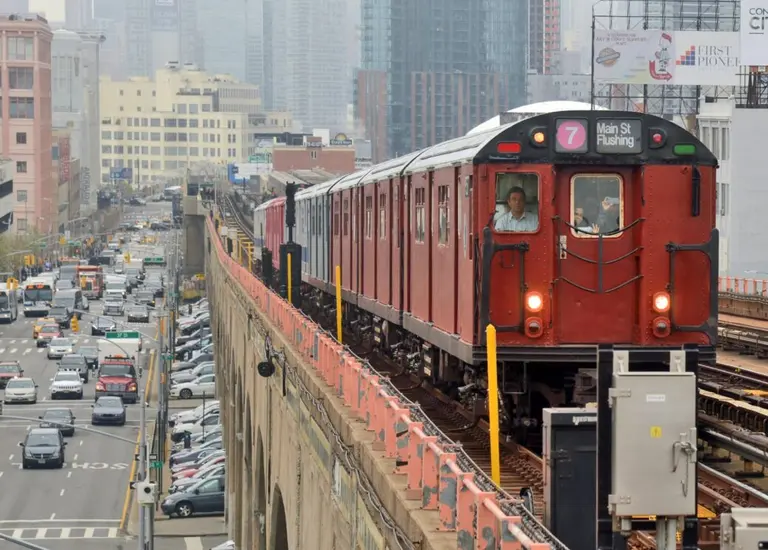
Metro-North Bronx expansion delayed by three years
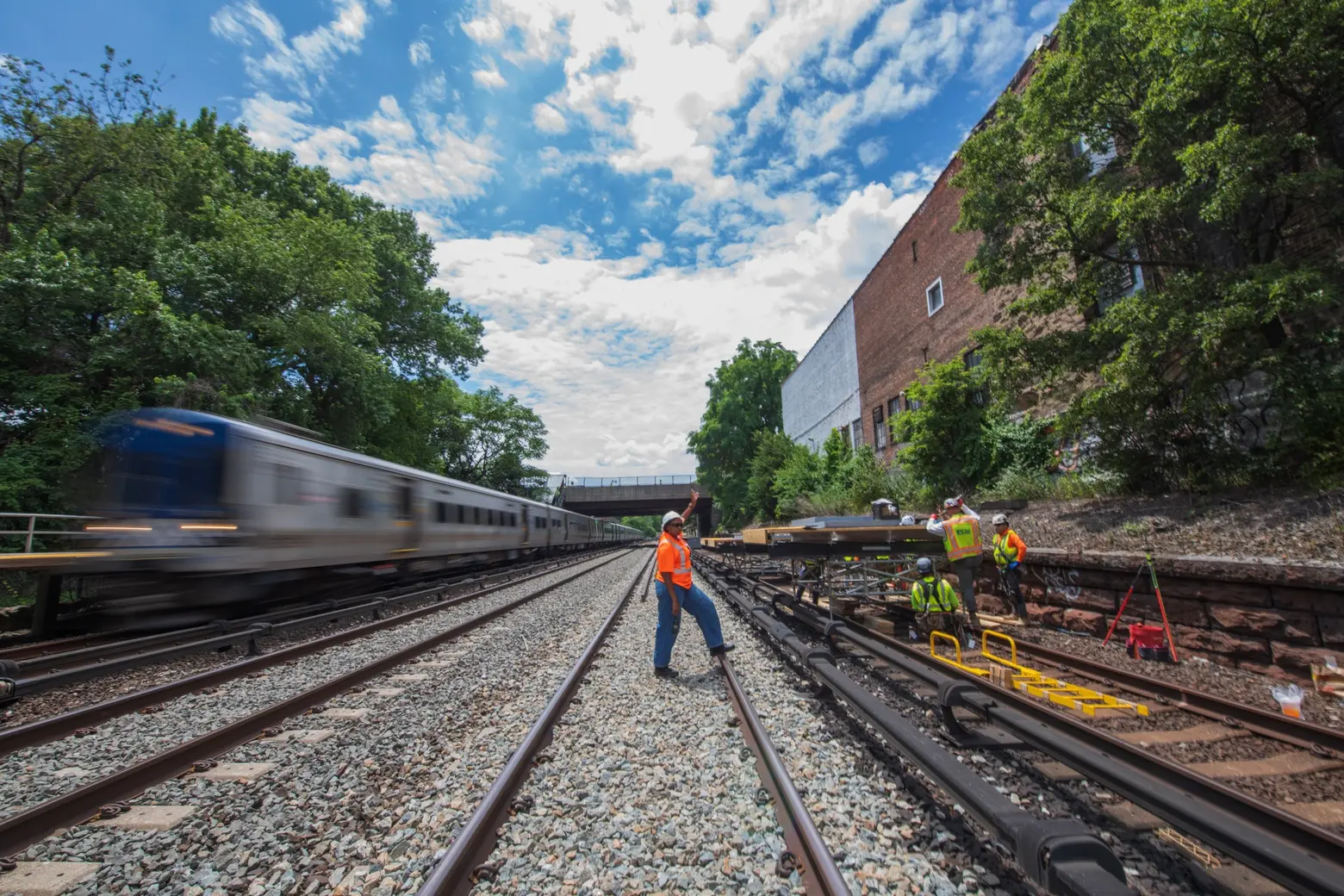
Photo: Megan Armas / MTA on Flickr
Metro-North’s planned Bronx expansion, including four new stations and direct service to Penn Station, has been delayed by at least three years. According to the New York Times, the Metropolitan Transportation Authority (MTA) this week said the project will likely not be completed until 2030, and blamed Amtrak for refusing to close its tracks to allow work to proceed on schedule. MTA officials proposed an alternative plan to open three of the four planned stations and deliver roughly half of the anticipated service by 2027, the year the agency originally slated the entire project for completion.
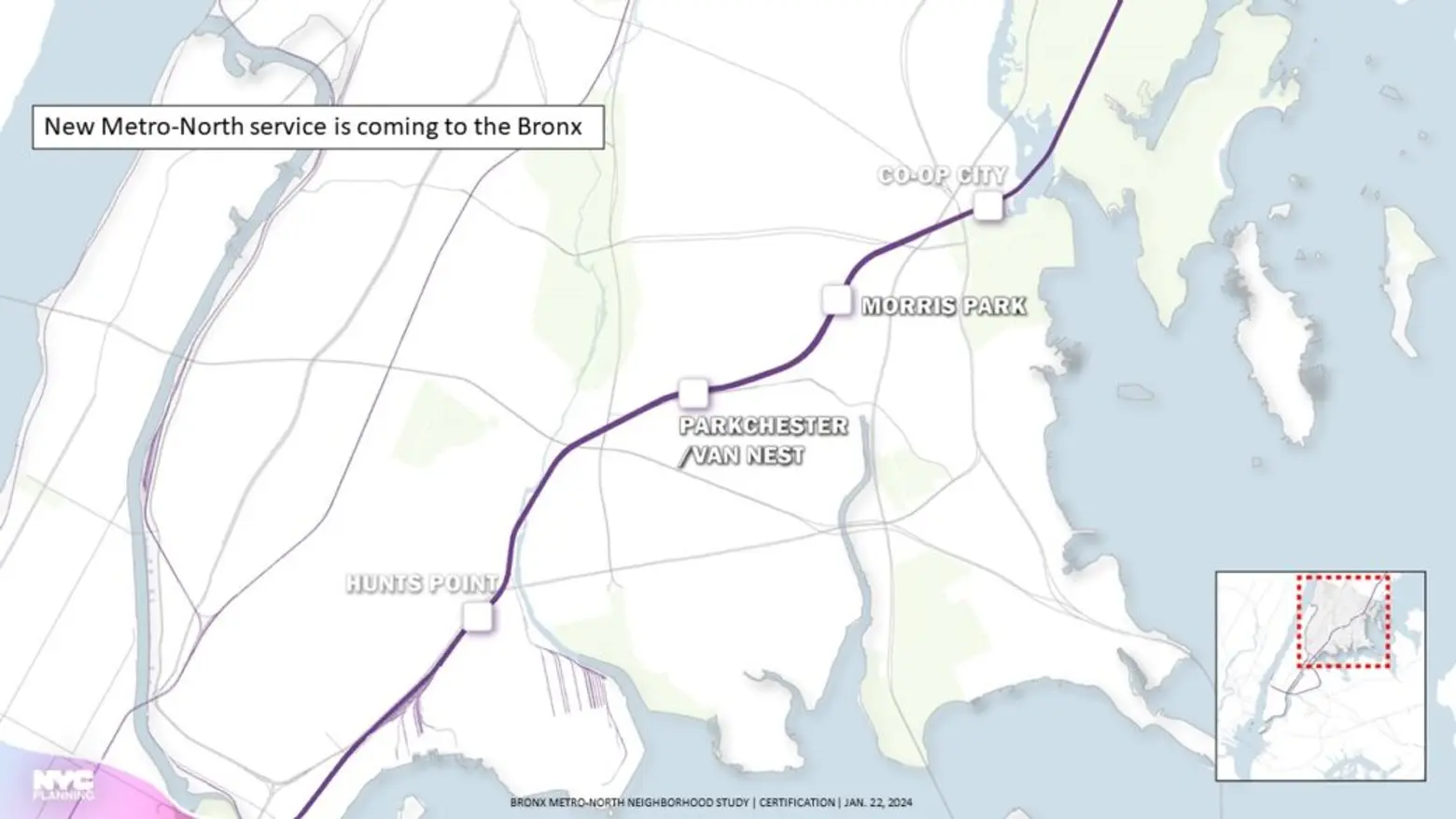
First announced in 2014, the $2.9 billion “Penn Access” project seeks to expand Metro-North service in the Bronx, which currently runs through four neighborhoods but doesn’t stop in the borough. As a result, East Bronx residents rely on slower, less convenient transportation options, such as buses. The new stations will also help ease traffic congestion and reduce carbon emissions by taking vehicles off the road.
The four new stations will cut travel times between the Bronx and Manhattan by up to 50 minutes. The project will connect Penn Station to Metro-North’s New Haven Line, with planned stops at Co-op City, Hunts Point, Morris Park, and Parkchester/Van Nest.
However, Bronx residents will have to wait longer for these transit improvements, as the state-run MTA and federally operated Amtrak continue to trade blame, reflecting the broader tensions between New York State and the federal government.
In a presentation on Monday, Jamie Torres-Springer, the MTA’s president of construction and development, said Amtrak’s limited track access has delayed construction. Torres-Springer said Amtrak promised the MTA 48 weekend periods to adjust train service for construction work, but in the first two years, Amtrak provided only seven of those windows, according to the Times.
The MTA has also blamed further delays on the frequent absence of Amtrak staff required on-site for construction. During Monday’s meeting, Torres-Springer said Amtrak workers missed 98 scheduled workdays, as reported by The City. Officials said the setbacks would likely push the project’s overall cost higher.
Janno Lieber, chair and CEO of the MTA, warned that the project could meet a fate similar to East Side Access—later renamed Grand Central Madison—which brought Long Island Rail Road service to Grand Central Terminal in 2023. First proposed in the 1990s, that project was plagued by delays and cost overruns.
“This is deadly serious. This is us, the MTA, trying to figure out, let’s not have East Side Access again, let’s start the service on time,” Lieber said, as reported by Gothamist.
Jason Abrams, a spokesman for Amtrak, said in a statement that the rail company “remains committed to this critical project, and being good stewards of taxpayer investment for Amtrak, MTA customers, New York residents, and travelers.” He added that Amtrak will provide the MTA with additional construction time, expand the workforce assigned to the project, and revise work policies that have limited time spent on improvements.
For now, the MTA has proposed a scaled-down alternative for the project that would run Metro-North trains on two existing tracks of the Hell Gate line to temporary stations at Co-op City and Morris Park, as well as a new permanent station at Parkchester/Van Nest. The planned Hunts Point station would not be included in the temporary plan.
The proposal would require additional infrastructure work before passengers could board at those stations, including the construction of temporary staircases and platforms. The plan would allow Metro-North to operate 31 trains per day serving the new stops, down from 105, while construction continues. Service would include five trains to Penn Station during the morning rush hour and two in the opposite direction.
The MTA has sent a letter to Amtrak demanding greater cooperation on the project and expects a response and revised plan by November 12. If Amtrak fails to respond, the agency said it may pursue legal action, including seeking damages.
RELATED: