Mamdani announces major expansion of NYC coastal resilience bureau with $43M investment
Credit: Marc A. Hermann / MTA on Flickr
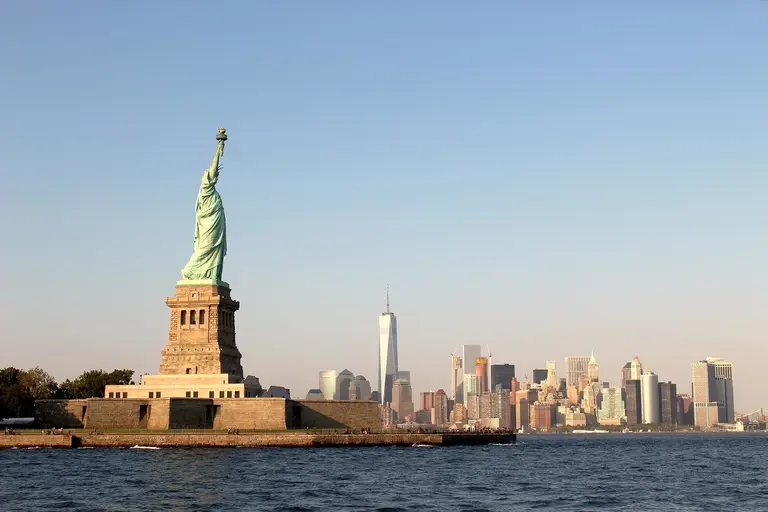
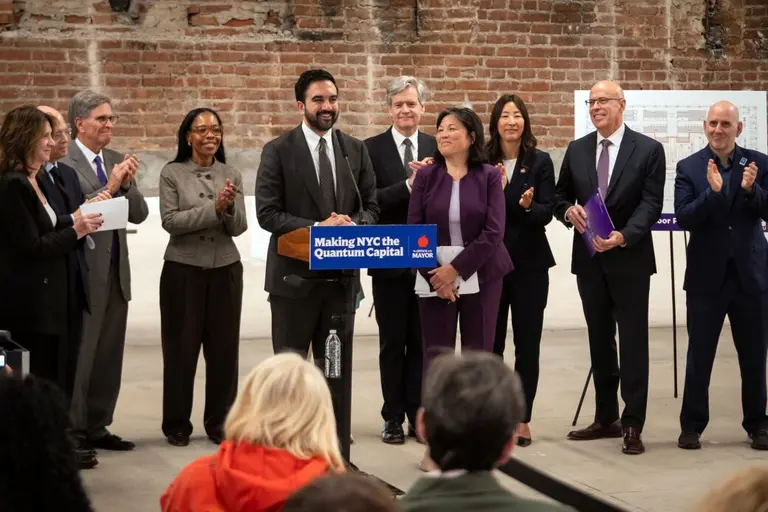
The Bureau of Coastal Resilience was established by the Department of Environmental Protection in 2023 to prepare and protect New York City’s 520 miles of coastline. Since then, the agency has managed with six staff members and a budget of $1 million. As the threat of climate change, along with rising sea levels and extreme weather, only intensifies, Mayor Zohran Mamdani on Friday announced he plans to significantly expand the Bureau by investing $43.2 million to hire 69 more staff, which will include engineers, flood experts, city planners, and others, and to fund new studies on a long-term coastal resilience strategy.
“As climate change accelerates, so too must our efforts to protect our communities from flooding and extreme weather,” Mamdani said.
“This investment ensures the Bureau can keep pace with the billions of dollars in flood prevention and mitigation infrastructure being built and mobilized in the next few years. Staffed with engineers, flood-risk management experts and maintenance crews, the Bureau of Coastal Resilience will drive resiliency job opportunities while making sure our city is prepared for whatever comes our way.”
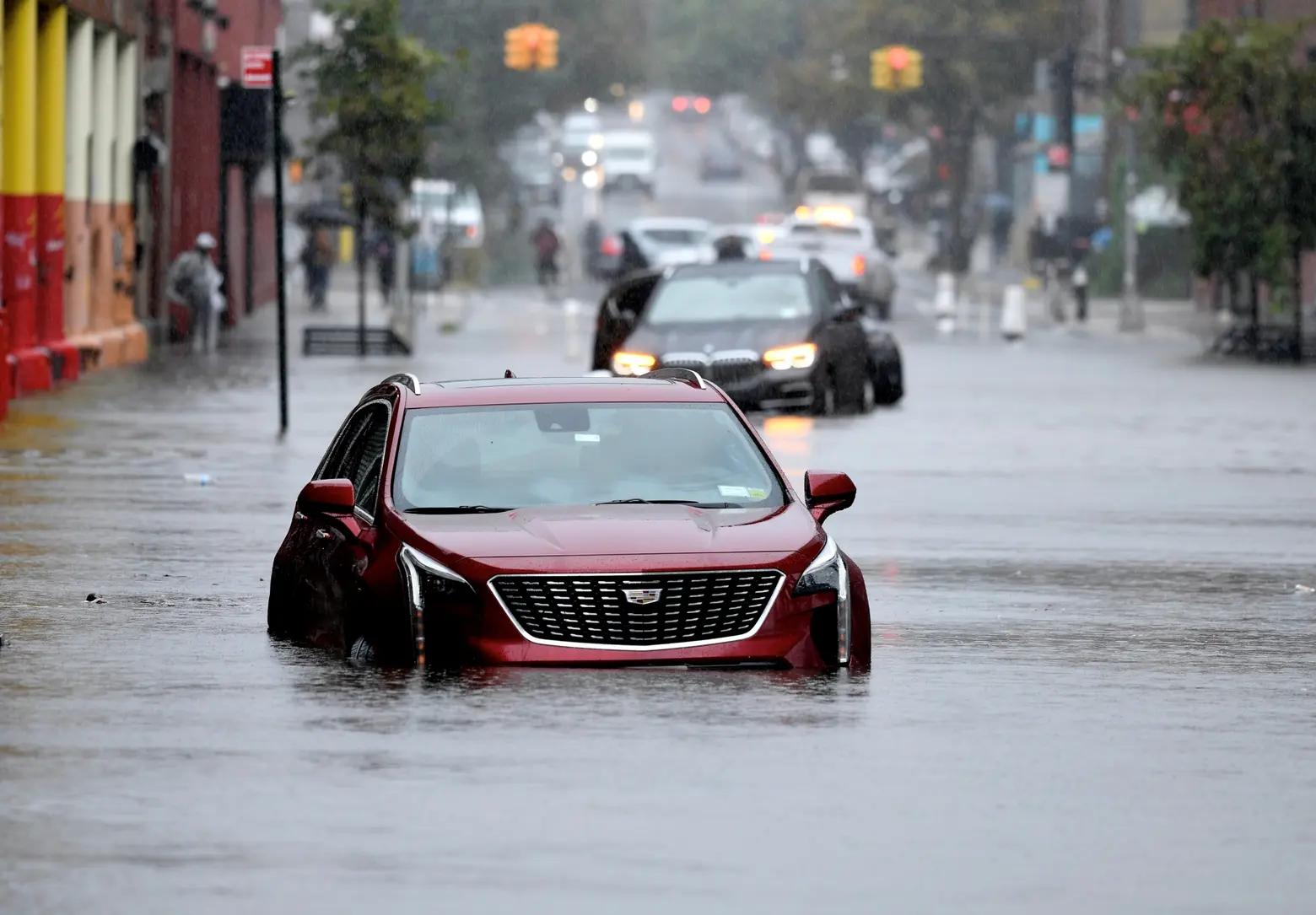
The funding announcement comes less than a week after the city was hit by two intense storms, which flooded streets and subway stations.
New York City is more prepared now than in 2012 when Hurricane Sandy struck, which caused $19 billion in damage and killed 44 New Yorkers. According to the city, 440,000 New Yorkers, 14,500 businesses, and $250 billion in property value reside within the city’s 100-year floodplain.
Over the last decade and a half, several projects have already been completed or are now underway to fortify the shoreline, including the Battery Coastal Resilience, Brooklyn Bridge-Montgomery Coastal Resilience, Seaport Coastal Resilience, and Red Hook Coastal Resiliency.
According to the city, the Bureau is currently overseeing 15 active infrastructure projects, including the $1.45 billion East Side Coastal Resiliency (ESCR) project, which raised parkland, floodwalls, and added 18 swinging or sliding gates. ESCR will come online in 2027.
While the expanded Bureau will help complete these projects, the projected cost of resilience is much higher. A report released on Thursday by nonprofit group Rebuild by Design found that New York State and municipalities will need to spend $519 billion to “build, upgrade, or retrofit infrastructure through 2050.”
It’s no surprise that New York City is the most expensive place to complete climate adaptation measures. The five boroughs will spend $387 billion to build and upgrade infrastructure to prepare for climate change impacts. The city is also vulnerable because of its coastline, large population, severity of stormwater flooding, urban heat, and other climate hazards, according to the report.
The nonprofit said New York should invest in helping communities plan and execute resilience projects.
“We are thrilled that Mayor Mamdani is expanding the Bureau of Coastal Resilience,” Amy Chester, director of Rebuild by Design, said.
“As we have seen firsthand this summer, flooding is a high priority for New Yorkers. If we invest smartly and design with communities, our flood infrastructure can benefit neighborhoods every day, from improved health outcomes to local jobs, to new local parks where you can know your neighbors.”
RELATED: