New subway photo exhibition reveals the behind-the-scenes work that keeps NYC moving
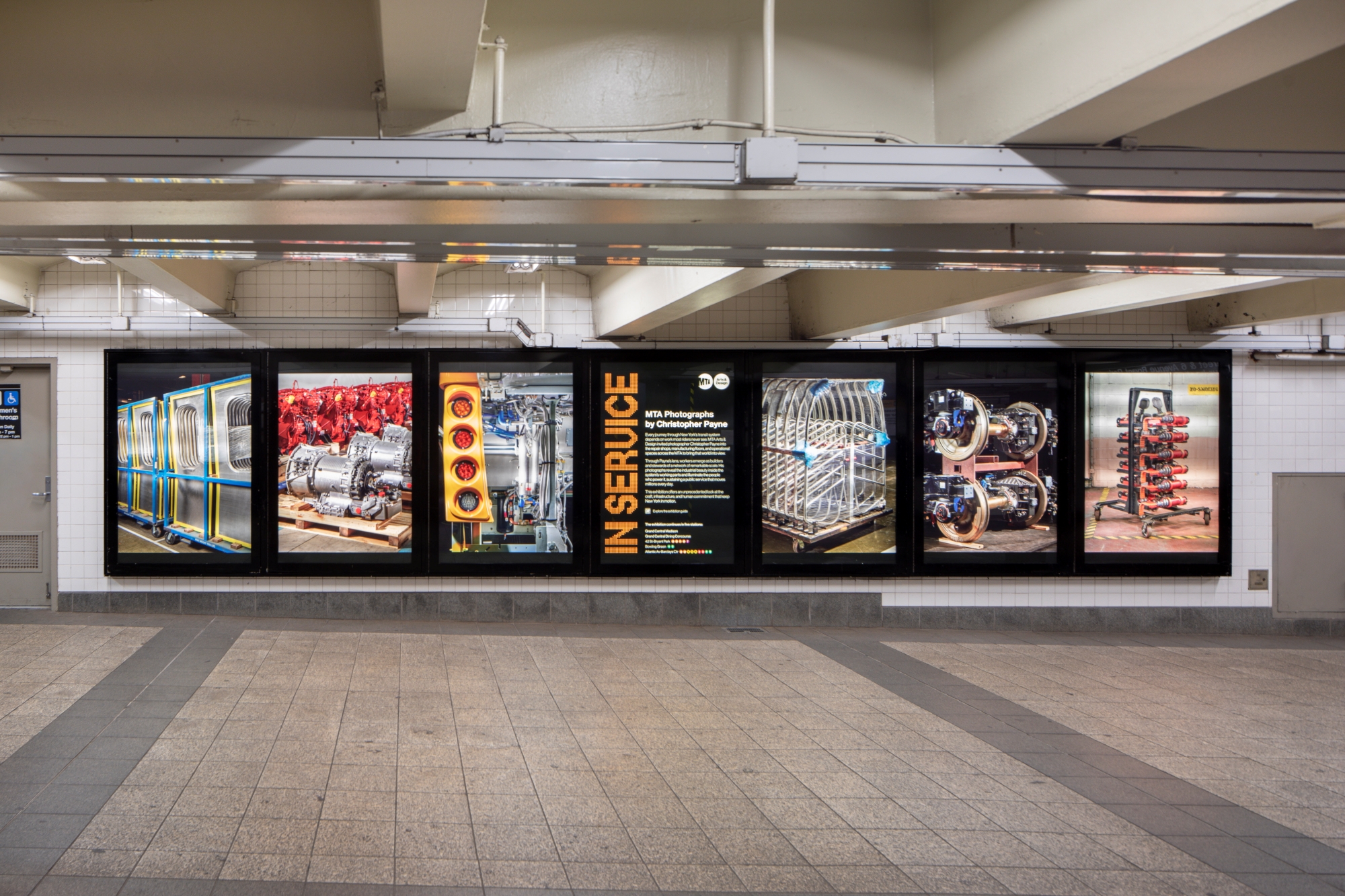
Photo captured at the MTA’s 207th Street Overhaul Shop; Client: New York Times. © Christopher Payne. Commissioned by MTA Arts & Design for the exhibition “In Service: MTA Photographs by Christopher Payne.”
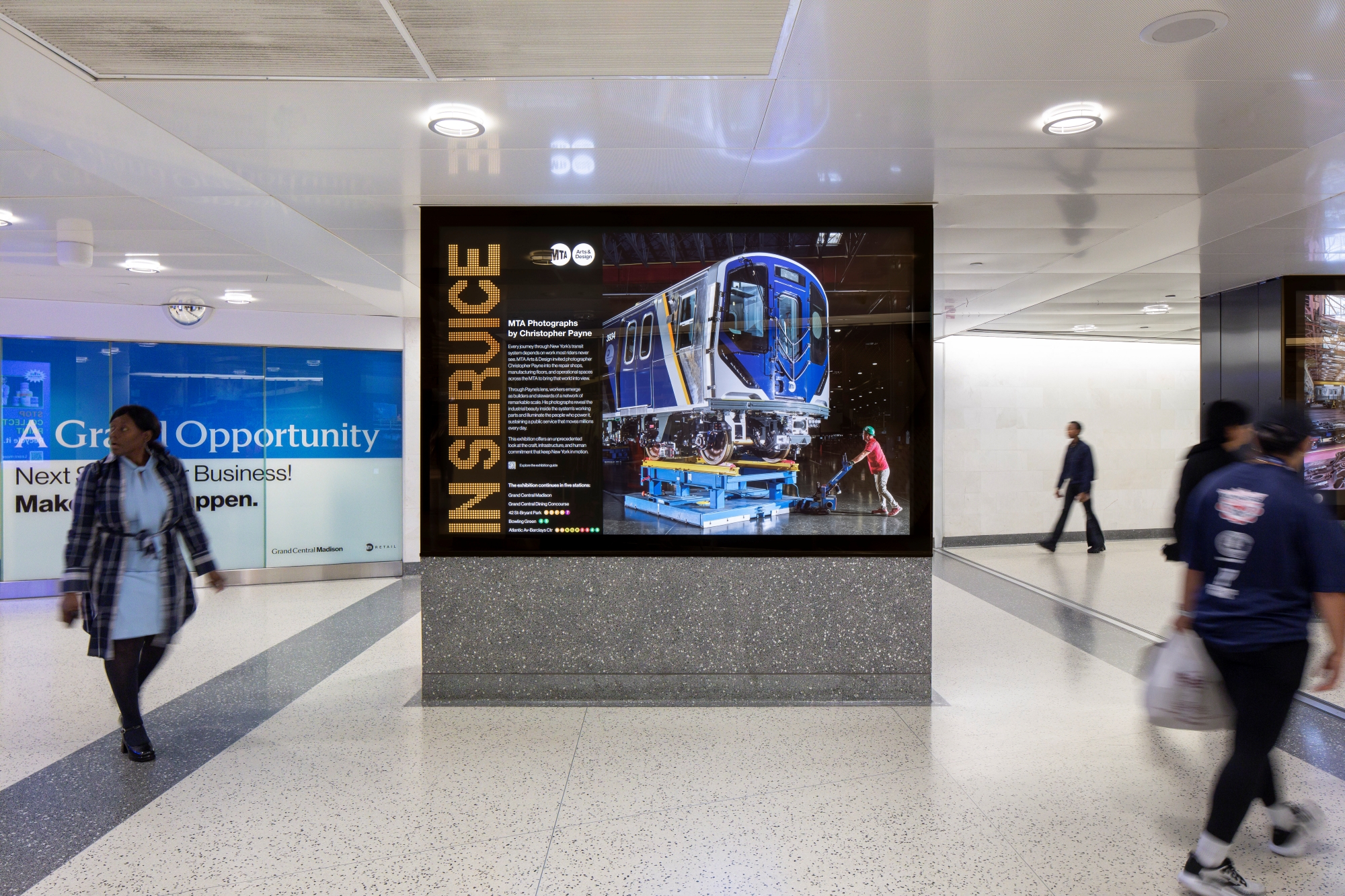
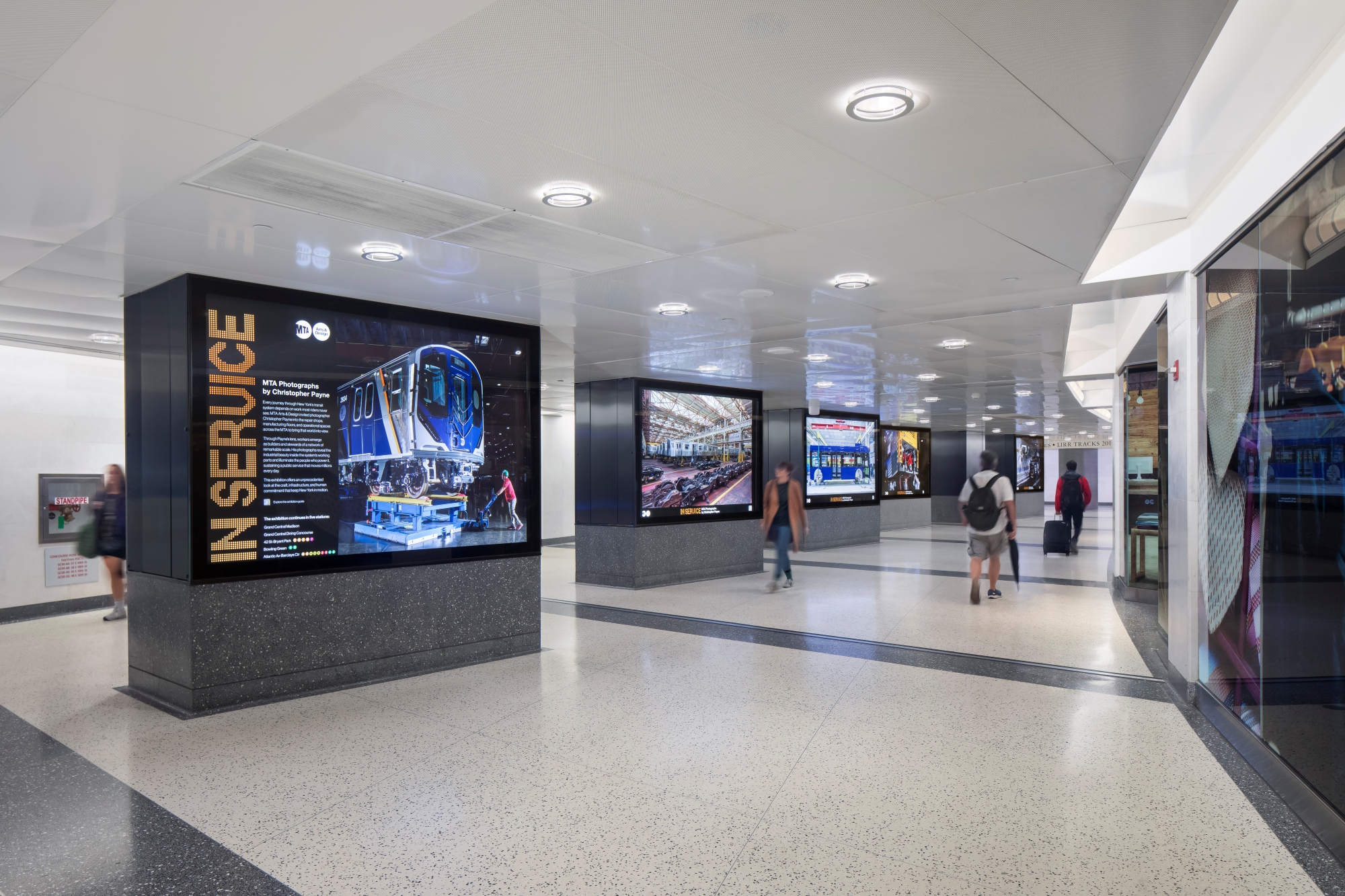
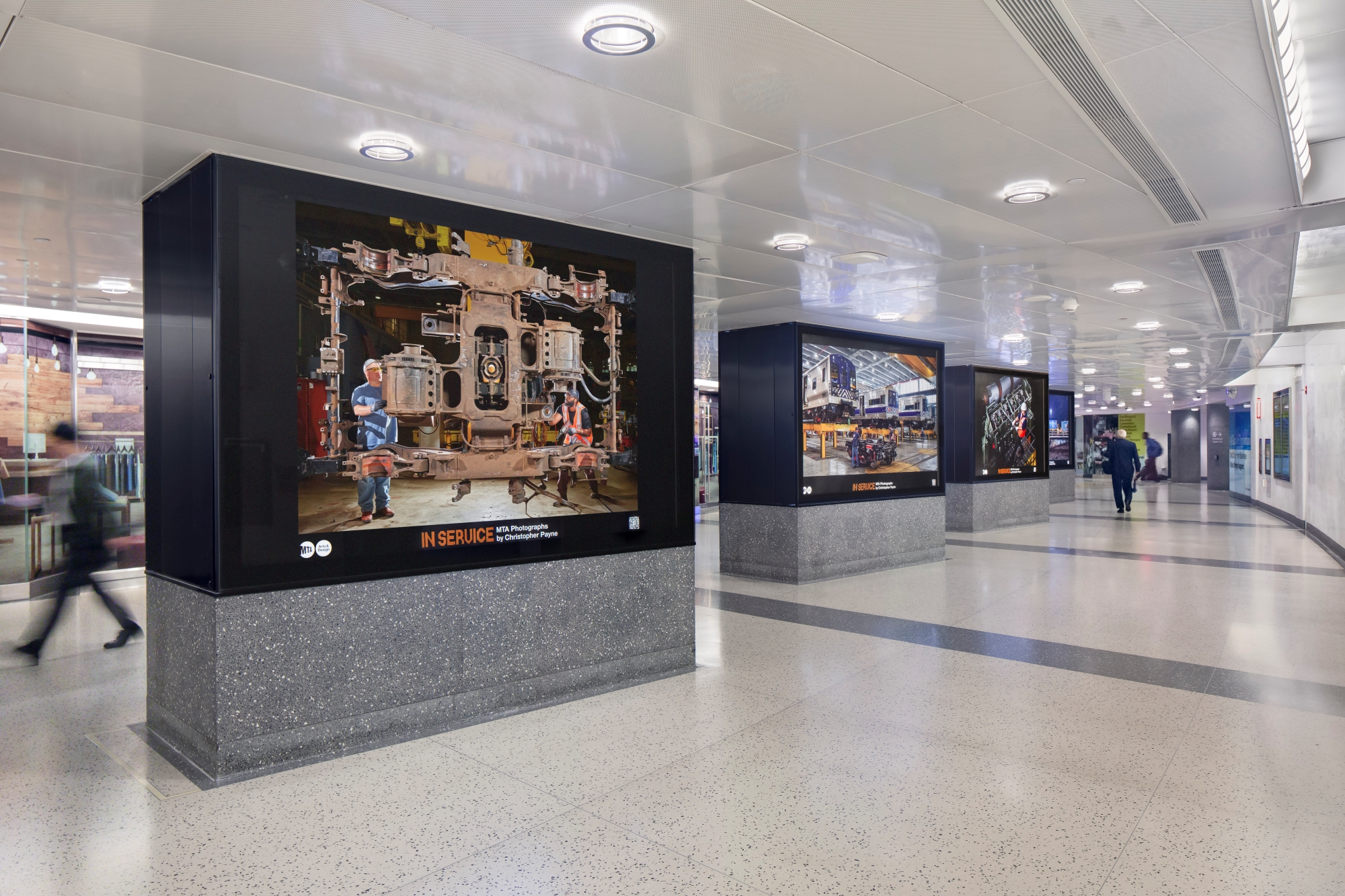
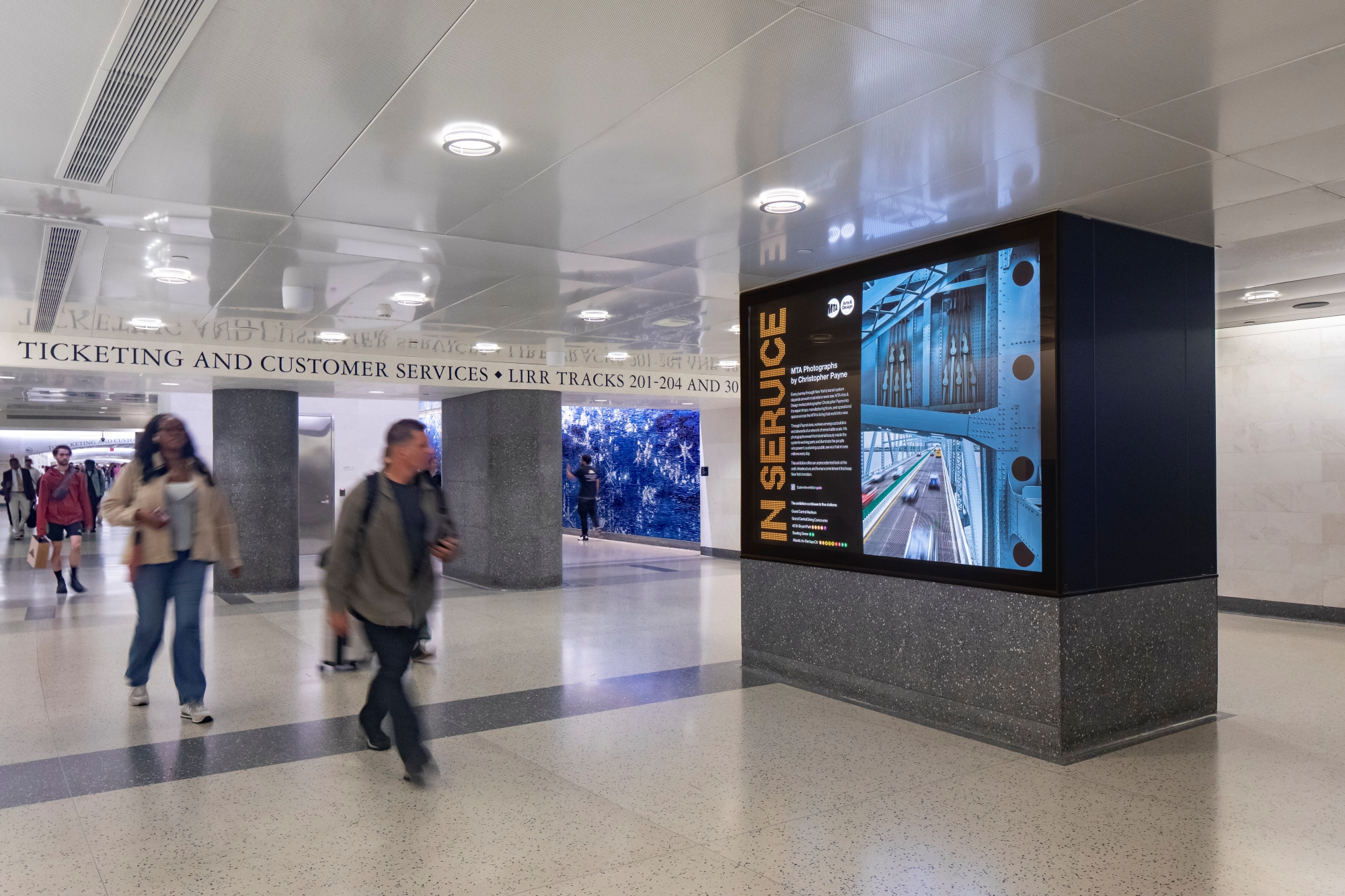
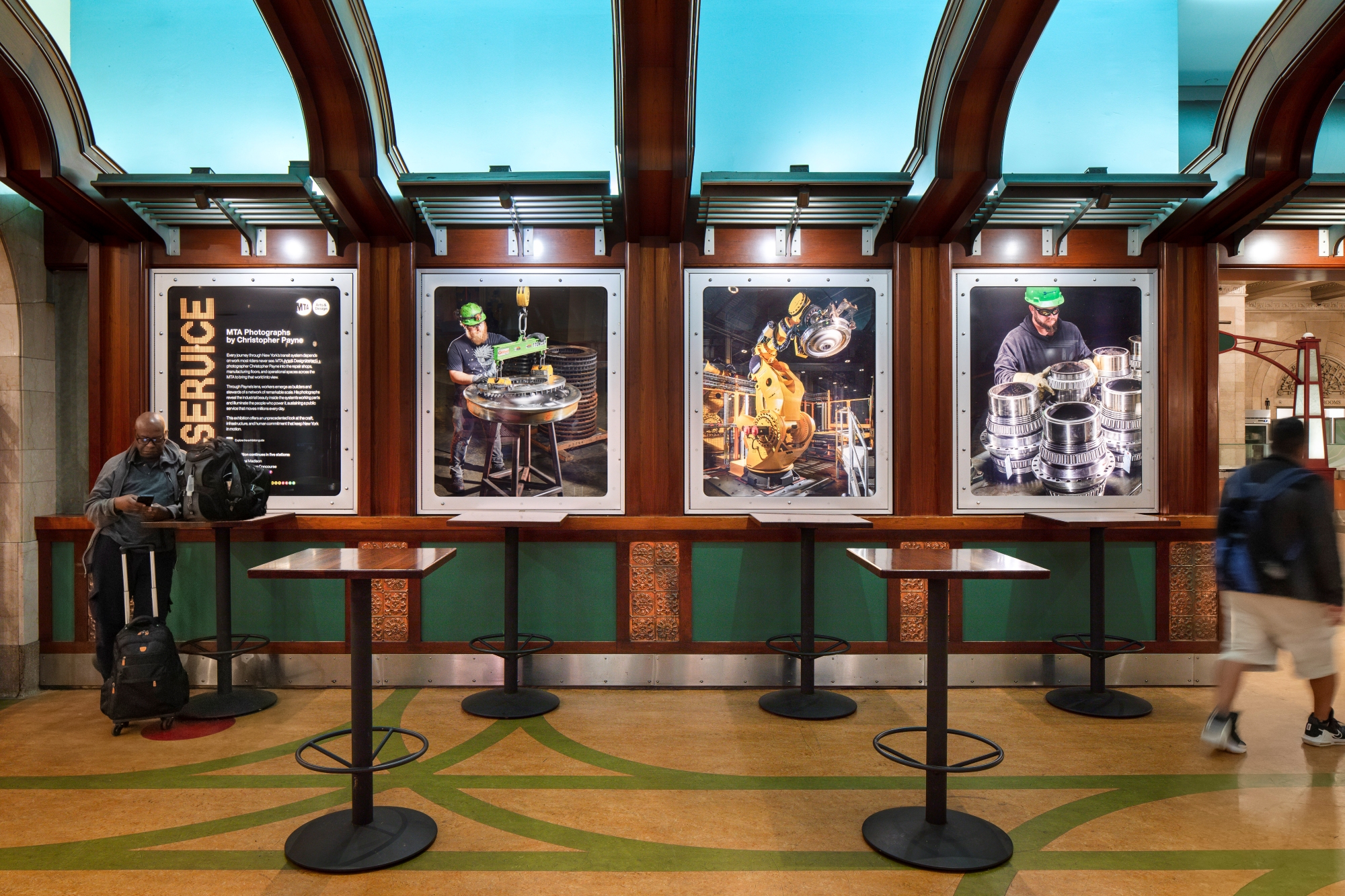
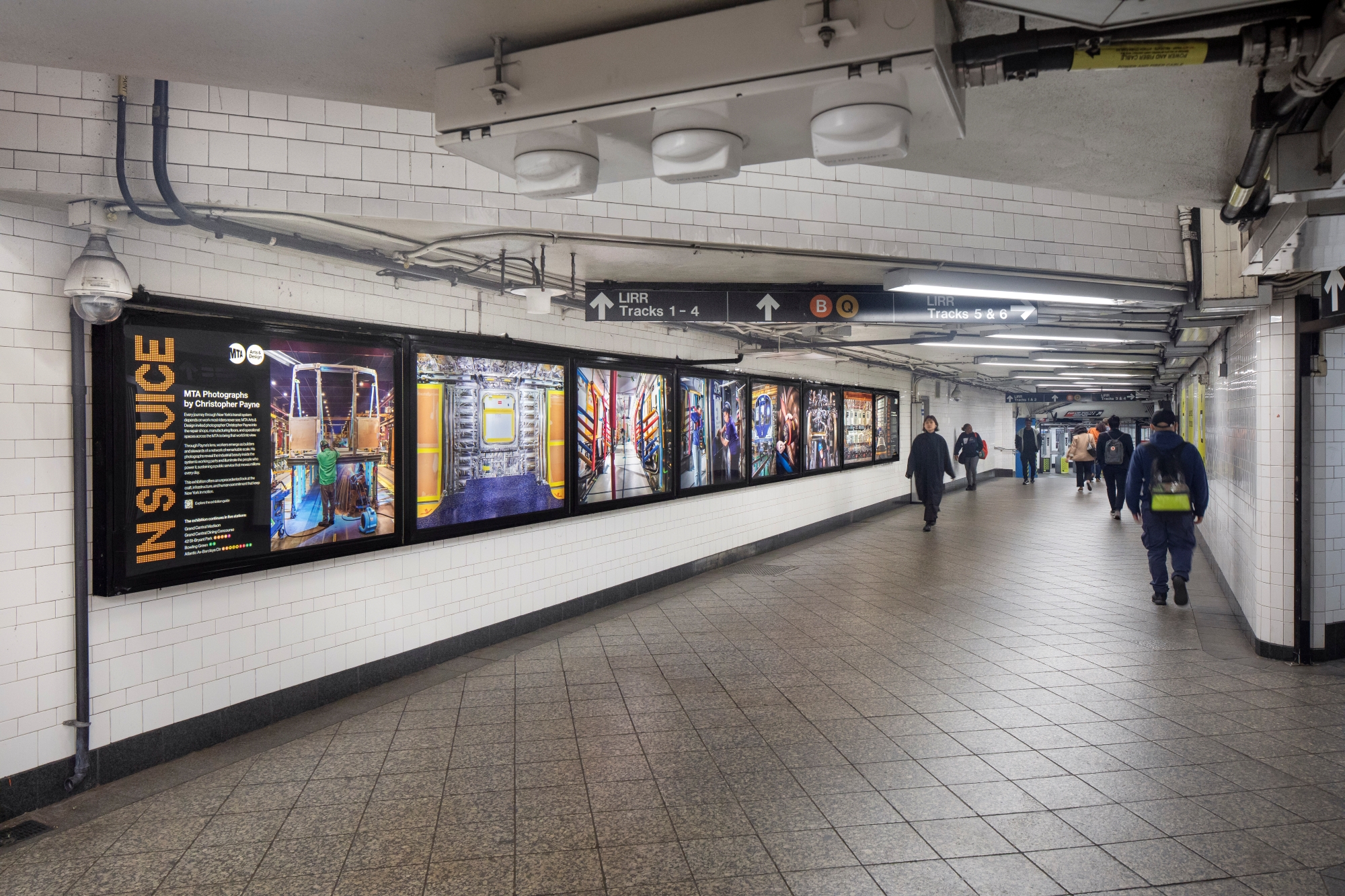
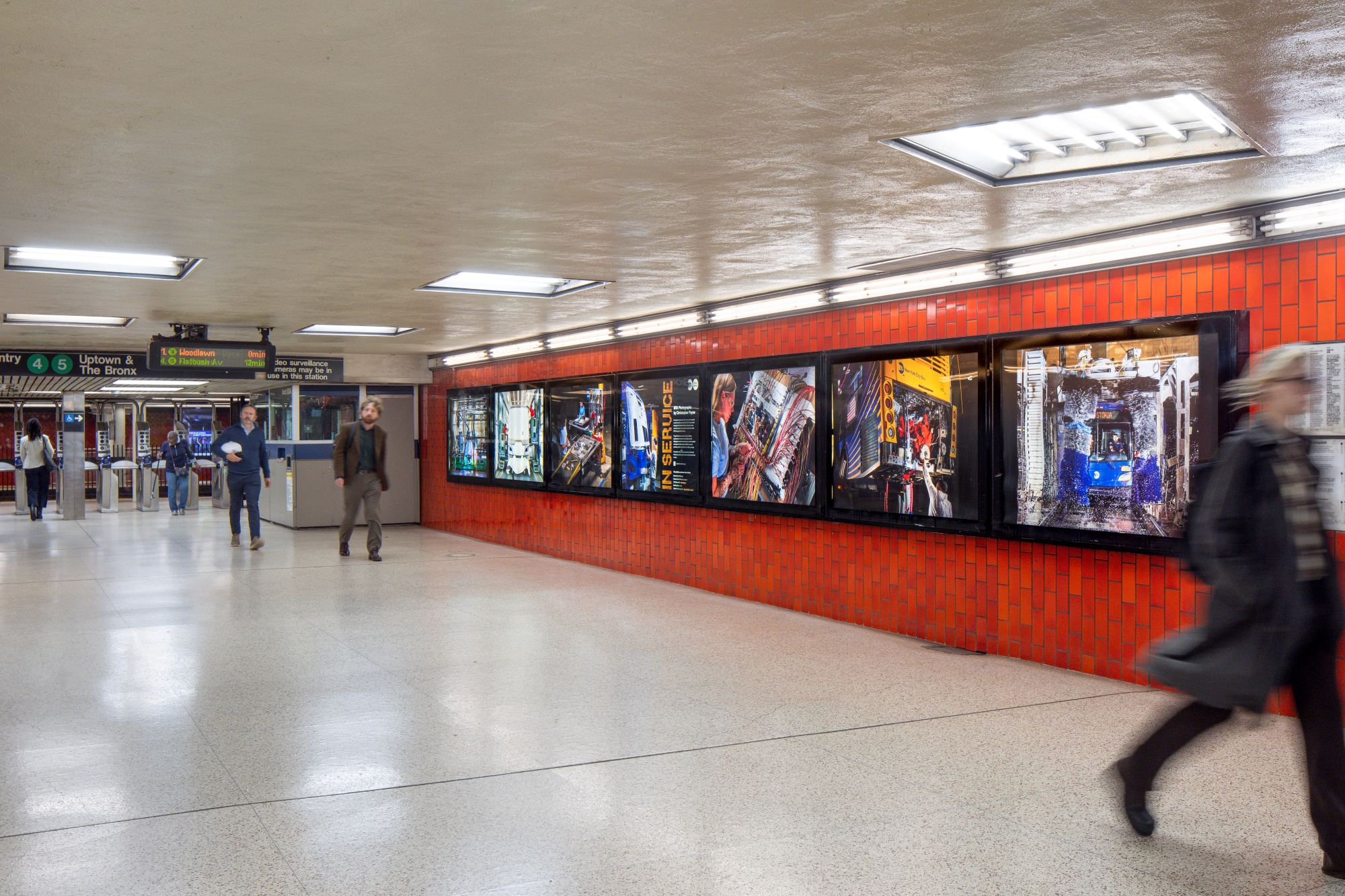
A new photography series in the New York City subway system seeks to illuminate the workers and infrastructure that keep New Yorkers moving behind the scenes. Unveiled Tuesday by MTA Arts & Design, “In Service: MTA Photographs by Christopher Payne” features images shot at 13 MTA facilities and manufacturing plants across four states, revealing the work and coordination required to keep the city’s transit system running. The series of 50 photographs is displayed on 52 decommissioned advertising lightboxes at five major transit hubs, marking the first time the agency has presented a single photographer’s work across its entire network.
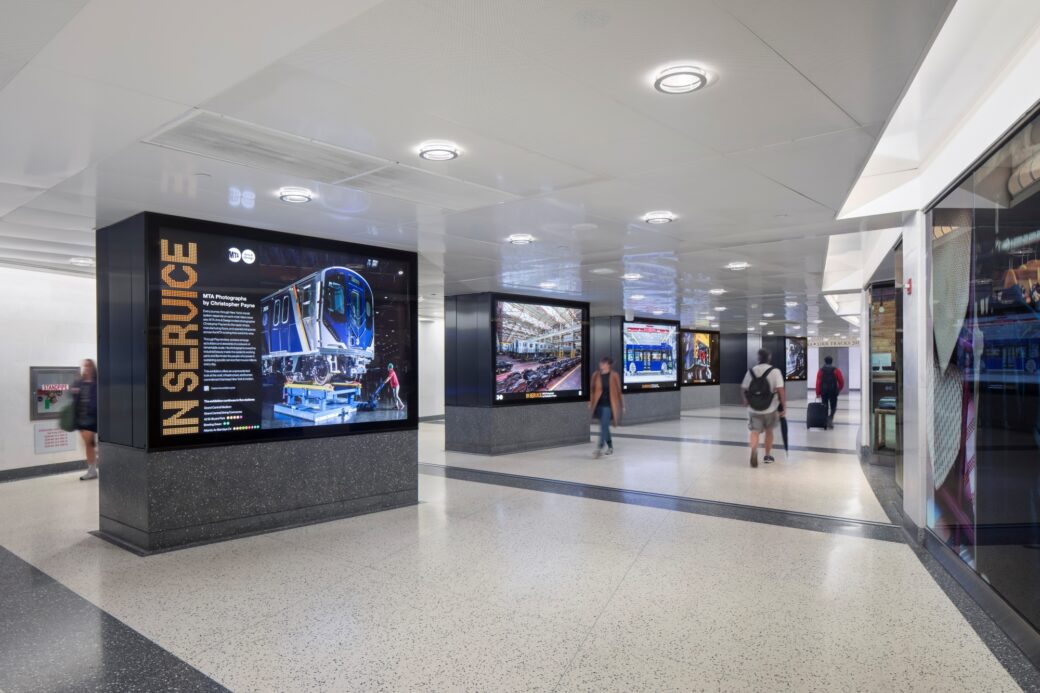
MTA Arts & Design began converting decommissioned advertising lightboxes into canvases for rotating photography installations in the 1990s, with individual exhibitions programmed one at a time. “In Service” pilots a new model for the agency, bringing the work of a single photographer to multiple transit hubs as the program celebrates its 40th anniversary.
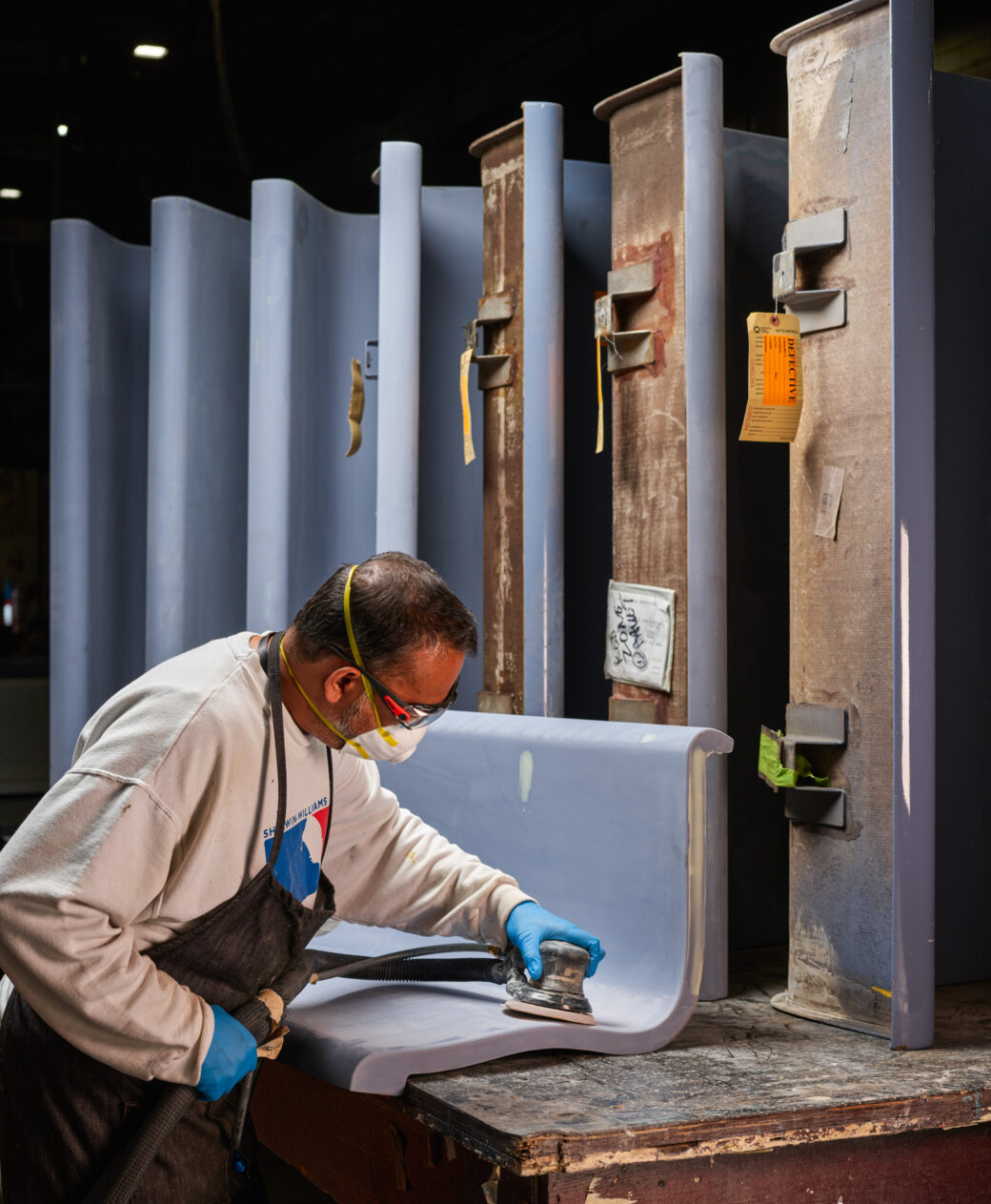
Building on Payne’s long-standing interest in the hidden infrastructure that keeps New York’s transit system running, the project grew out of his “MTA Overhaul Shops” series, which he shot at the 207th Street and Coney Island overhaul shops. The New York Times later featured the series in a 2024 story about subway car repairs.
Ten photographs from that exhibition anchor “In Service,” while Arts & Design commissioned an additional 40 images that Payne captured between May and August of this year. The photographs explore themes that highlight the range of the MTA’s behind-the-scenes work.
Over roughly five months, Payne gained access to numerous MTA facilities, where he carefully composed images that went beyond simple documentation. Instead, he sought to create a “wow” factor that captured the beauty of the city’s transit infrastructure and the people behind it, as he described to Curbed.
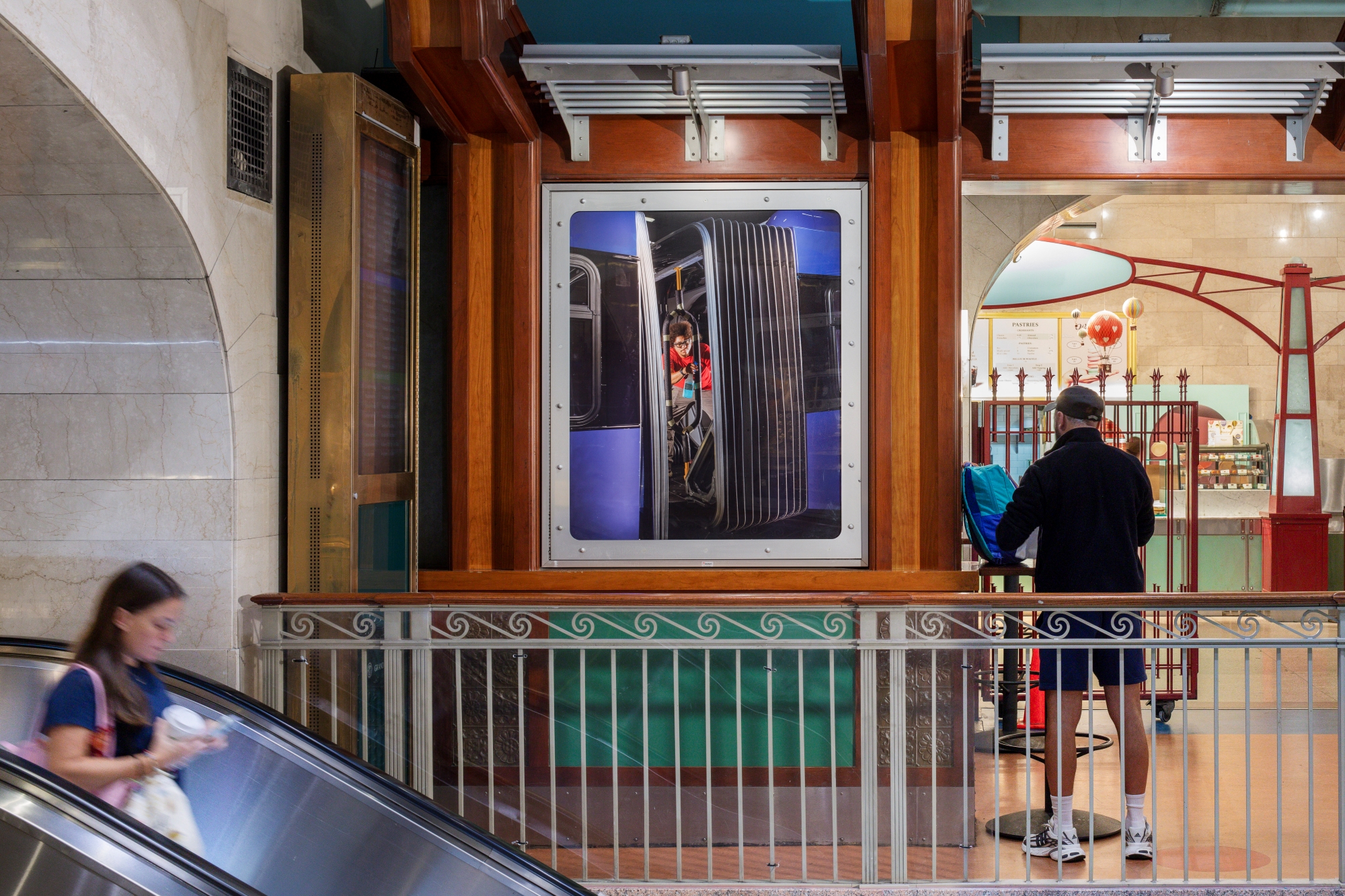
Inside the Grand Avenue Central maintenance facility in Maspeth, Queens, Payne sought to capture the inner workings of a city bus, stripped of its wheels and suspended above the ground as workers tinkered beneath it. The scene offers a view of the vehicles that is a major departure from how most New Yorkers typically experience them.
At Coney Island’s overhaul shop, Payne captured worker Conrad Samuels as he worked on a gearbox for a subway car-wheel motor. The job requires considerable skill, time, and effort, and Payne’s image means to highlight the human labor that goes into maintaining of the transit machinery.
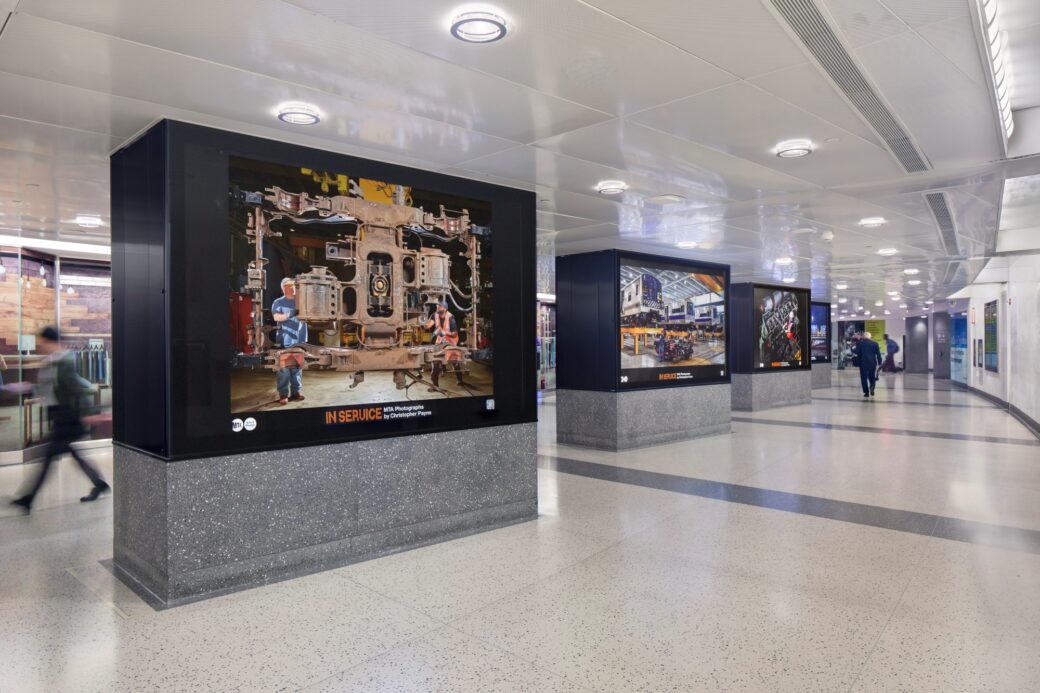
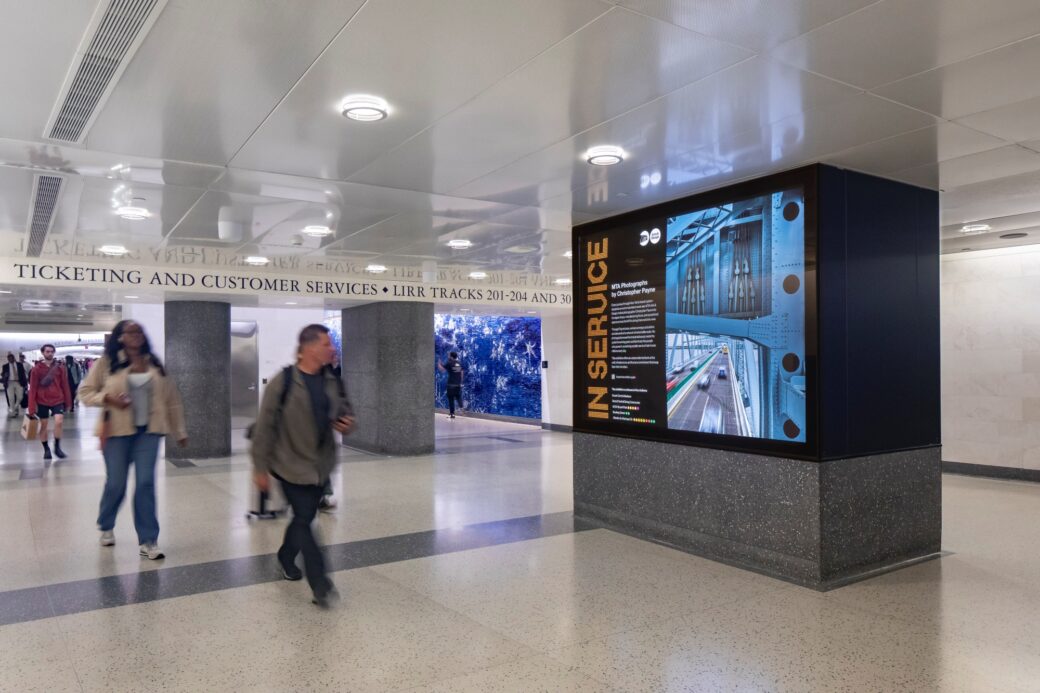
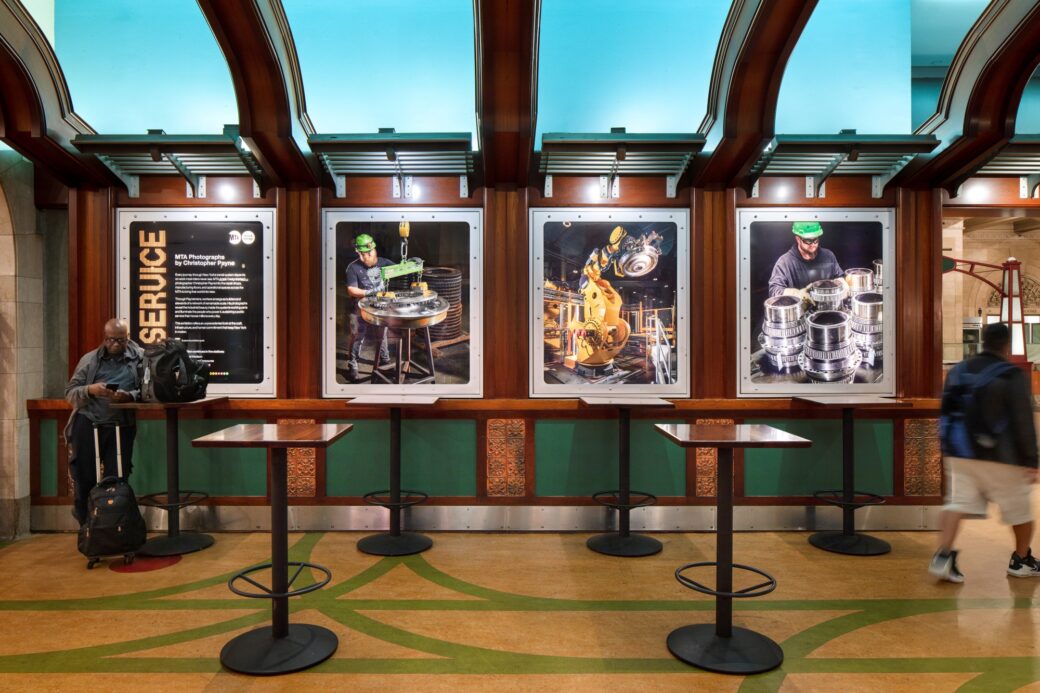
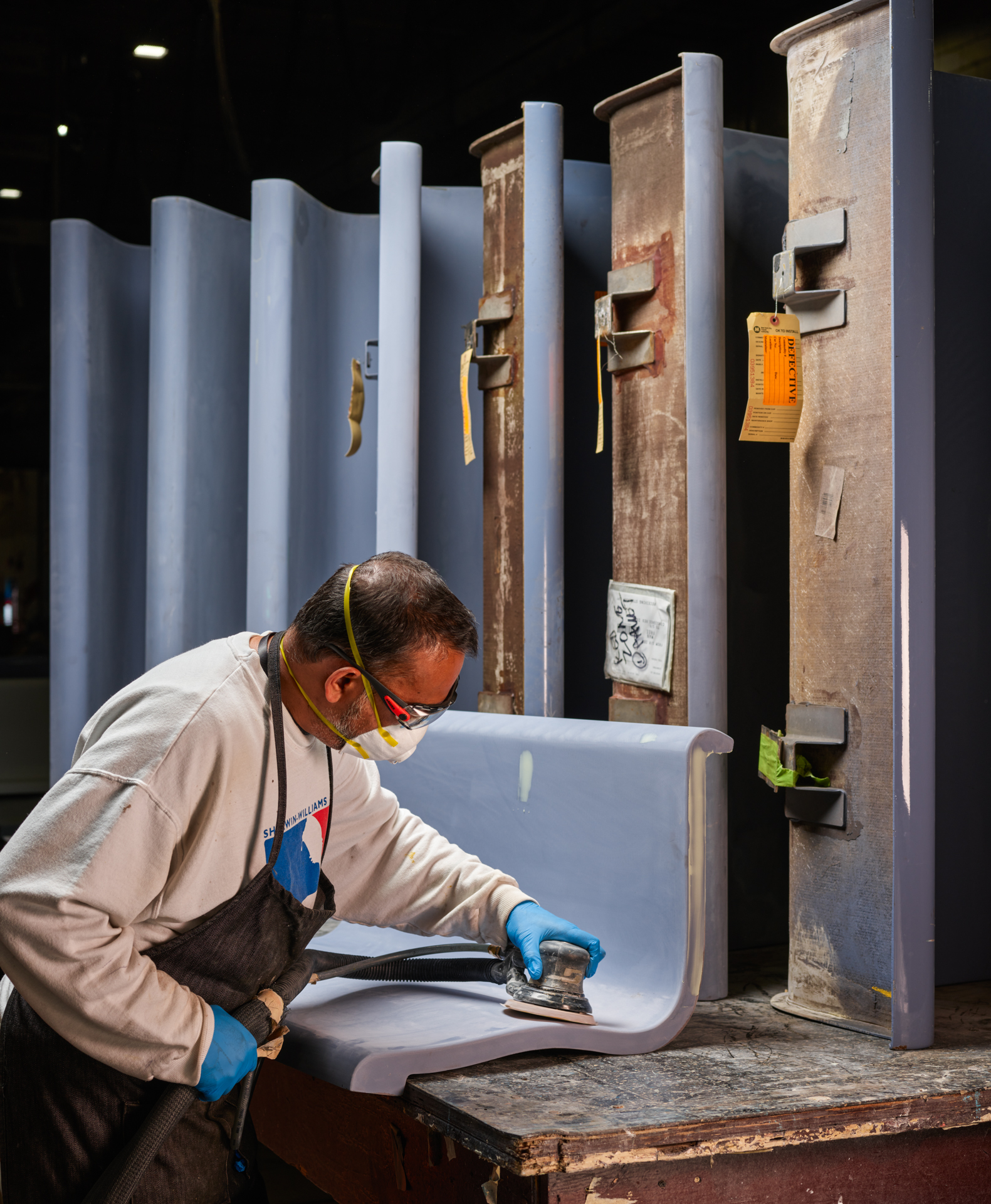
At Grand Central Madison, the images depict service at scale across the MTA’s five operating agencies, revealing the breadth of its operations and the people behind them. At the Grand Central Terminal Dining Concourse, portraits of workers in maintenance and manufacturing spaces highlight the care and craftsmanship that go into keeping the city’s transit running.
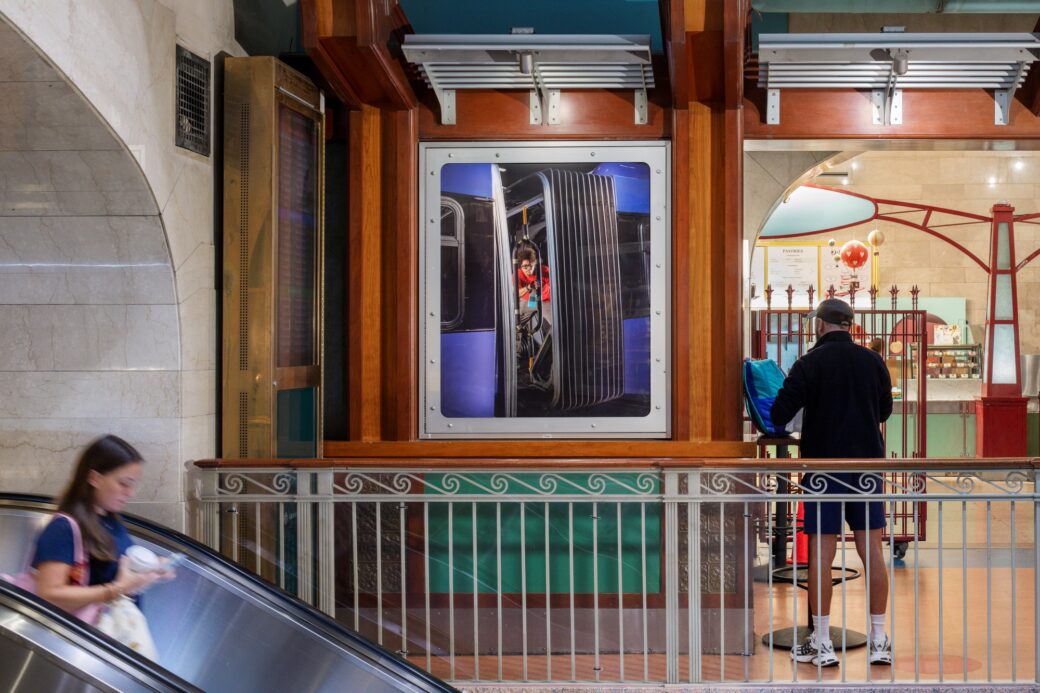
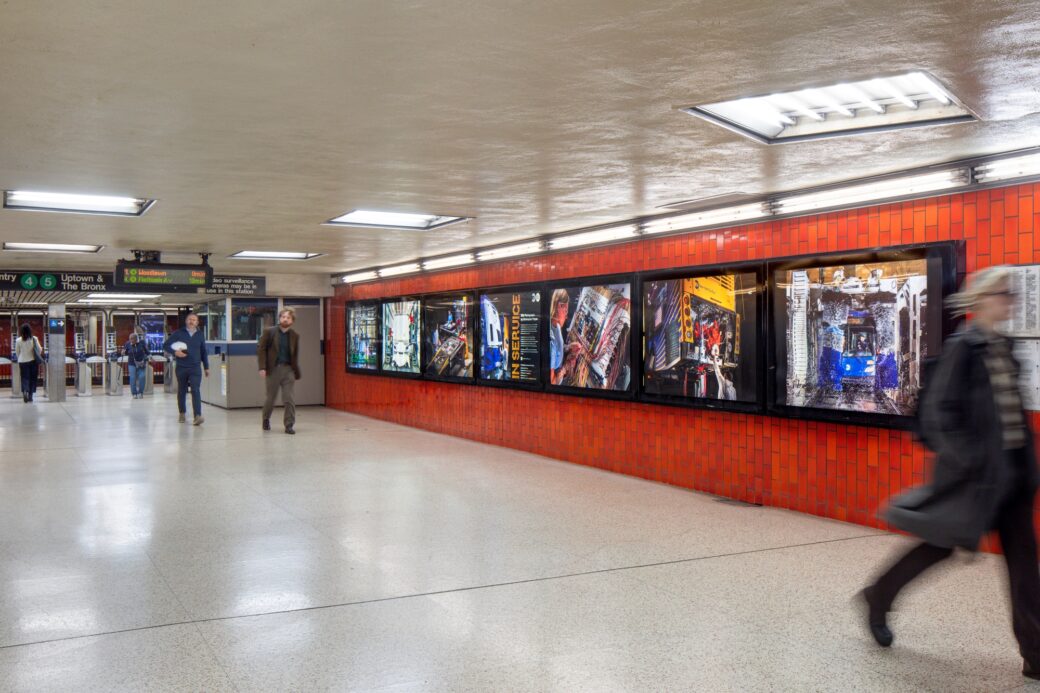
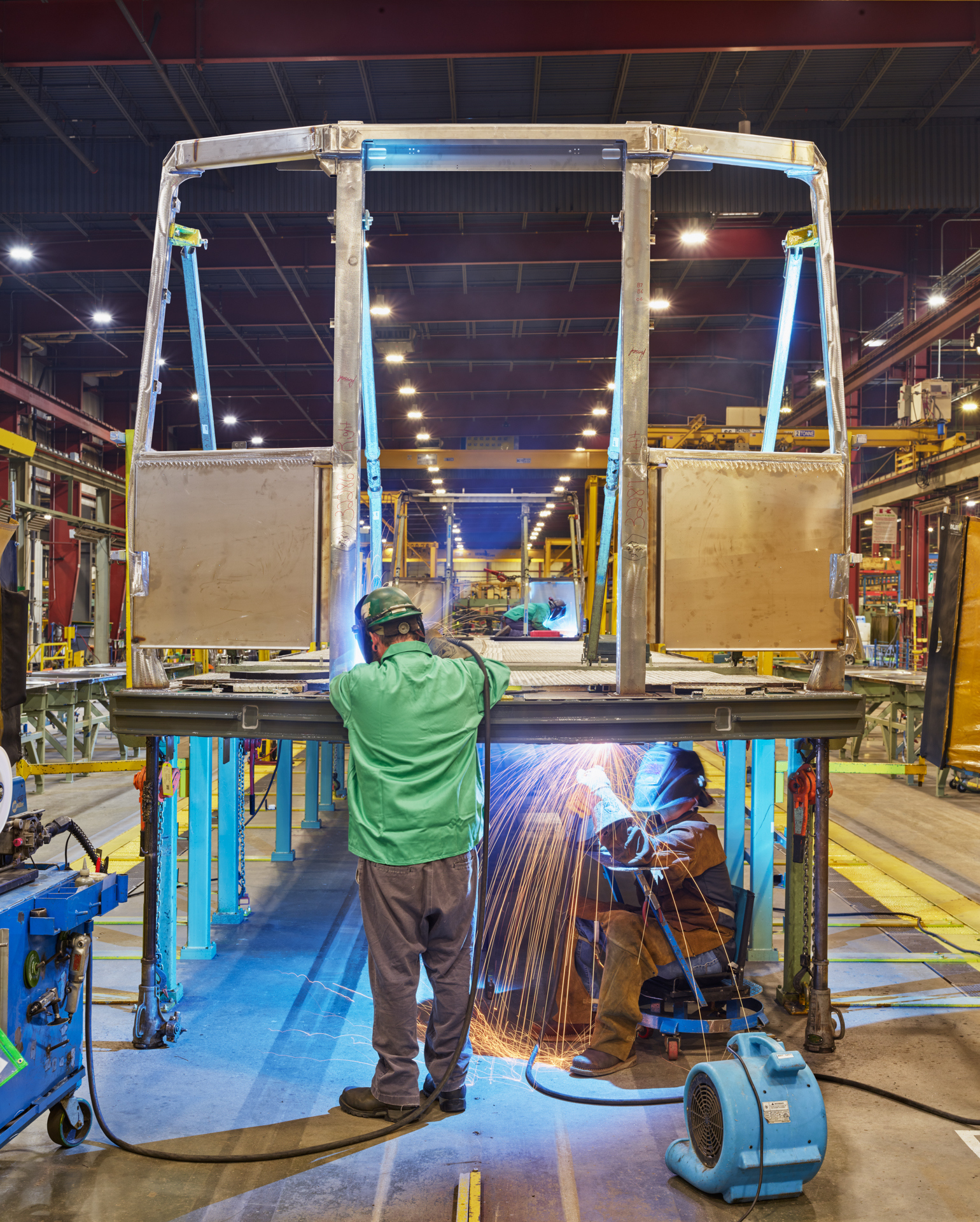
Bryant Park’s installation features images of everyday components, reconsidered through Payne’s distinct visual aesthetic. At Bowling Green, commuters can follow the stages of bus manufacturing and maintenance, from welding frames and assembling accessibility ramps to the final bus wash at the end of each route.
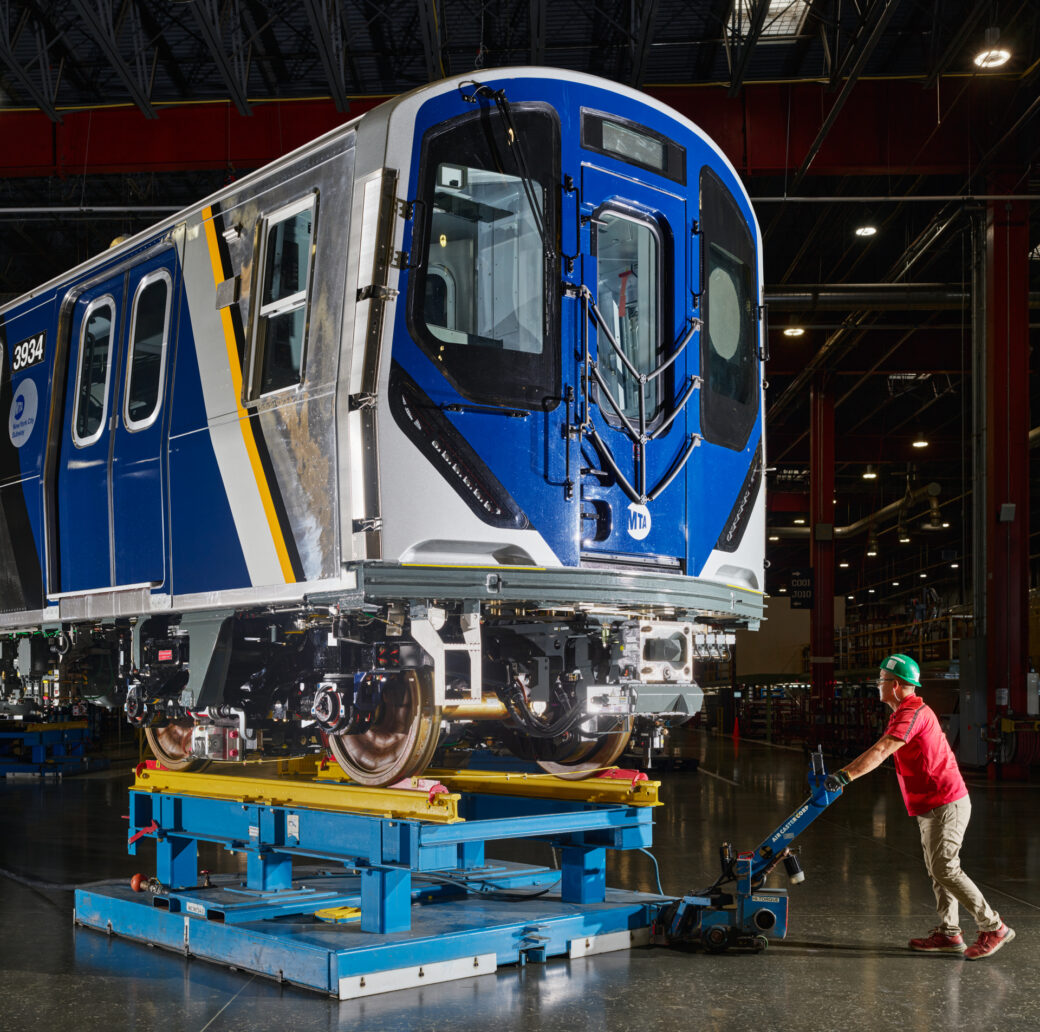
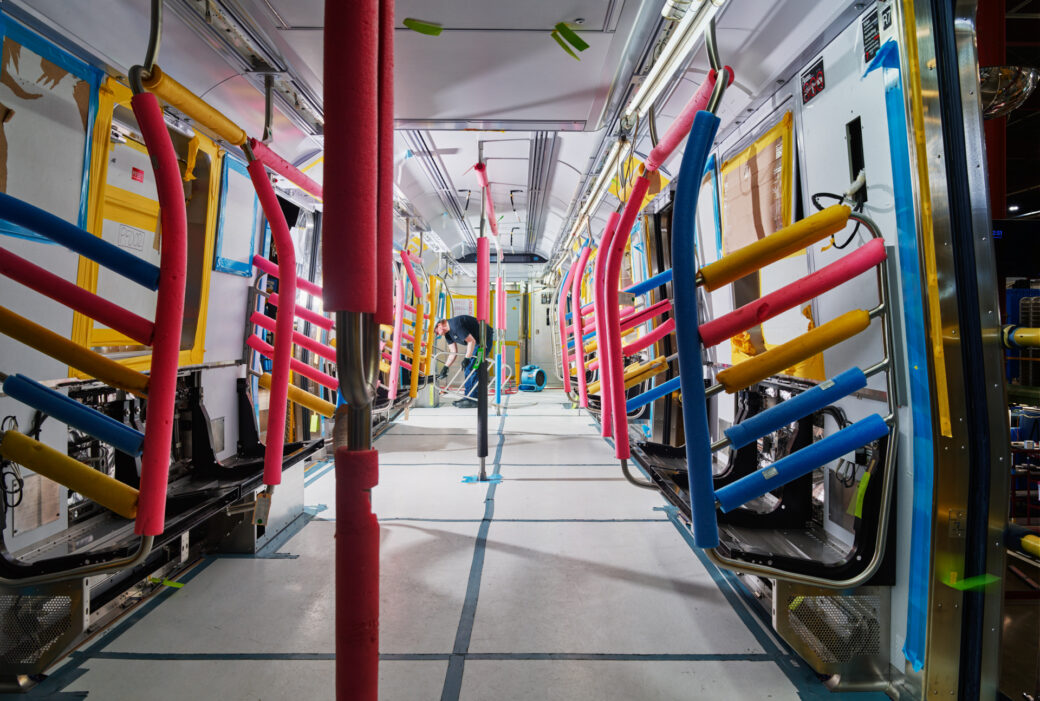
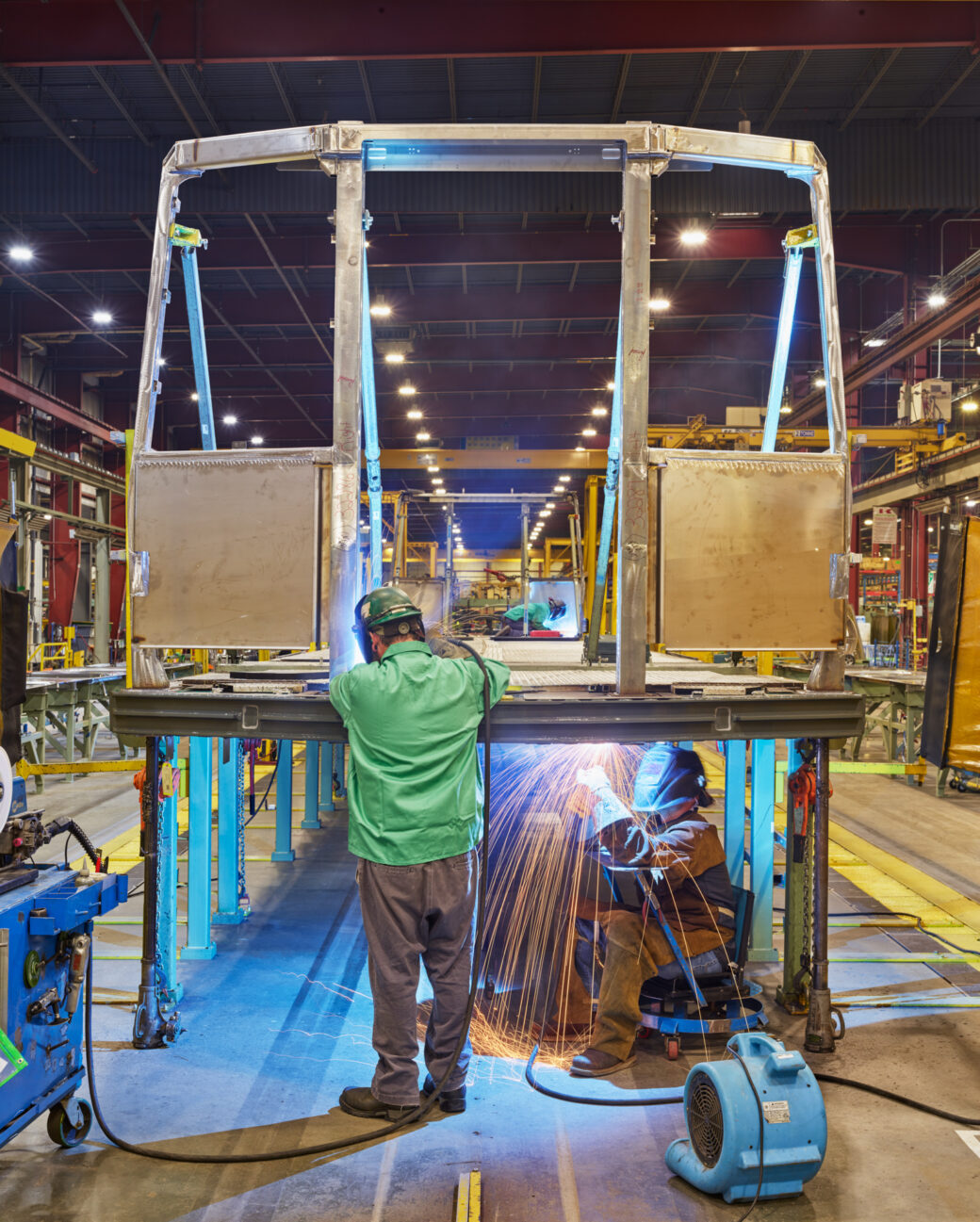
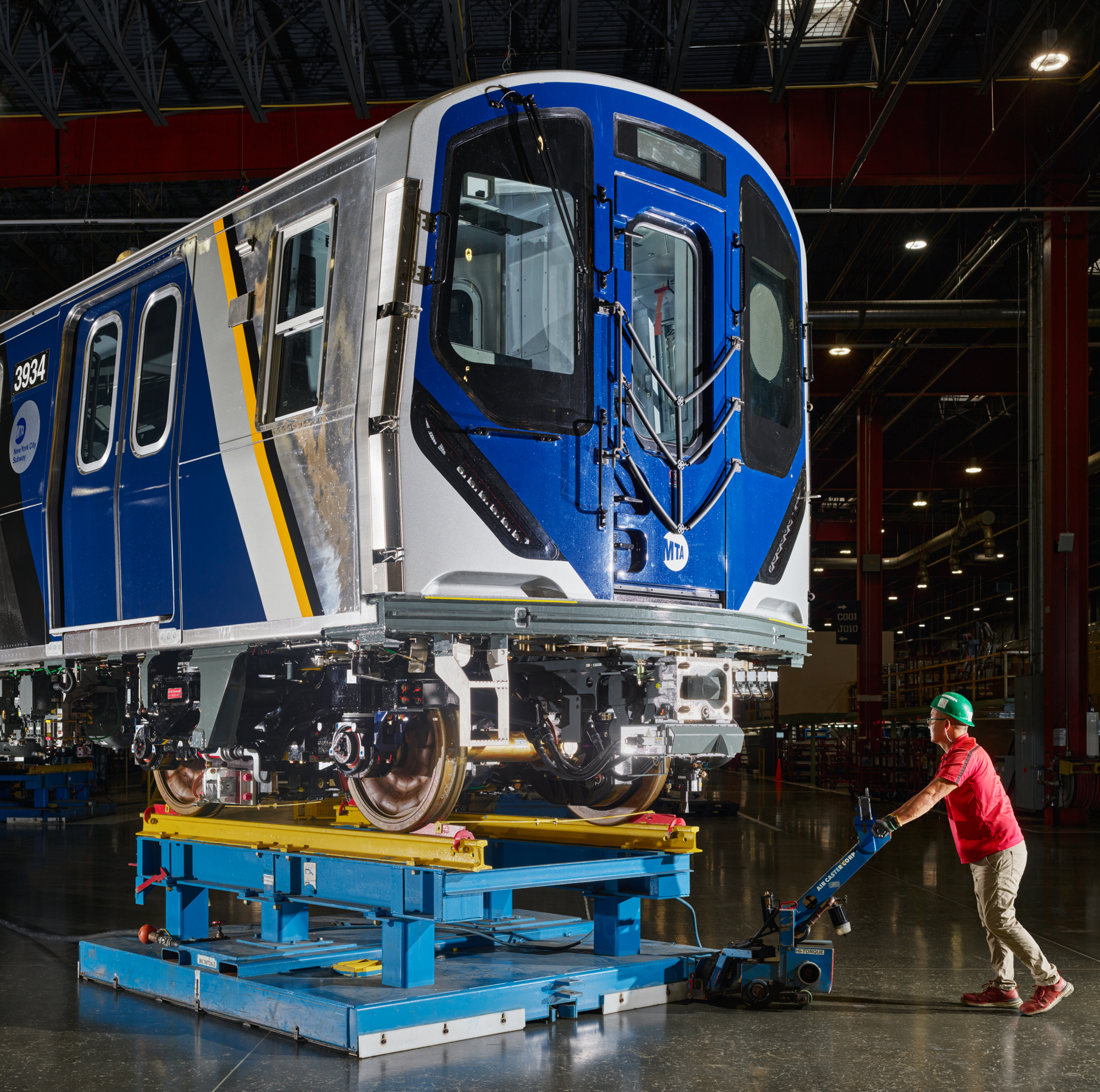
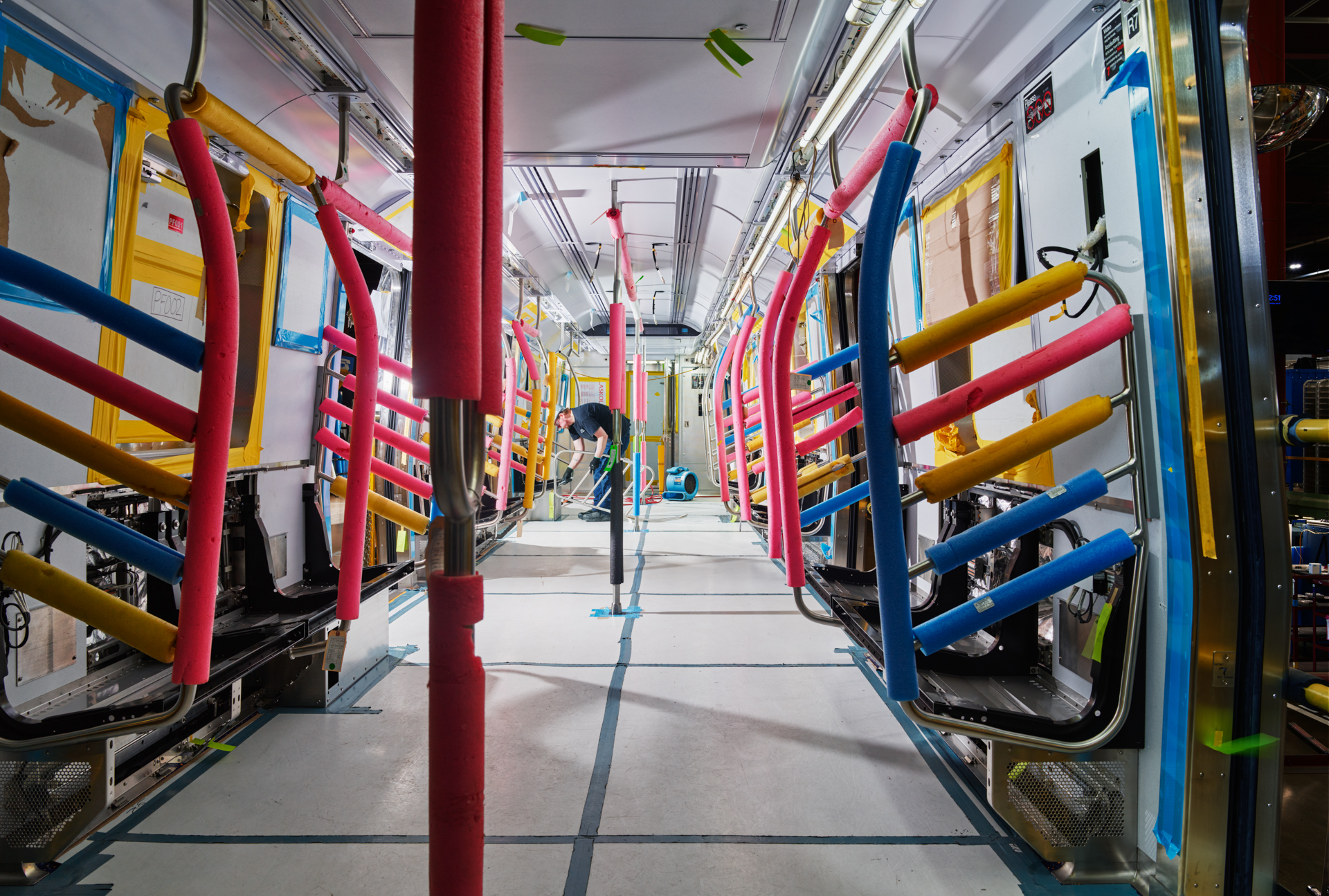
At Atlantic Avenue-Barclays Center, the lifecycle of subway cars is traced from Kawasaki R211 cars currently in production in Nebraska to testing in Yonkers and maintenance at overhaul shops.
Payne’s photographs bring the people who work in these spaces to the forefront, portraying them not as background figures but as critical components of the system that keep NYC’s transit network running.
“Photographing the subway’s power substations is what made me a photographer, and the MTA has been the subject I’ve returned to throughout my career,” Payne said. “But this project went further than anything I’ve done before.”
“I saw everything: where subway cars, buses, and locomotives are built, where they’re repaired and rebuilt, and the people who make all of it possible,” he added. “Most riders never see the system or the workers behind their commute. This was my chance to show them.”
The 52 lightboxes displaying Payne’s photographs are spread across five major transit hubs: the 42nd Street-Bryant Park station, with seven lightboxes; Atlantic Avenue-Barclays Center, with eight; Bowling Green, with seven; Grand Central Terminal’s Dining Concourse, with 20; and Grand Central Madison, with 10.
“This exhibition is a visual love letter to the MTA and the people who make it run—from the mechanics and inspectors in our shops to the welders and assemblers who build our fleet,” MTA Arts & Design Director Tina Vaz said.
“Christopher Payne took their work seriously and they welcomed him in so riders could appreciate the craft behind the system they rely on every day,” she added.
RELATED: