The Met to host first show dedicated to Jackson Pollock and Lee Krasner
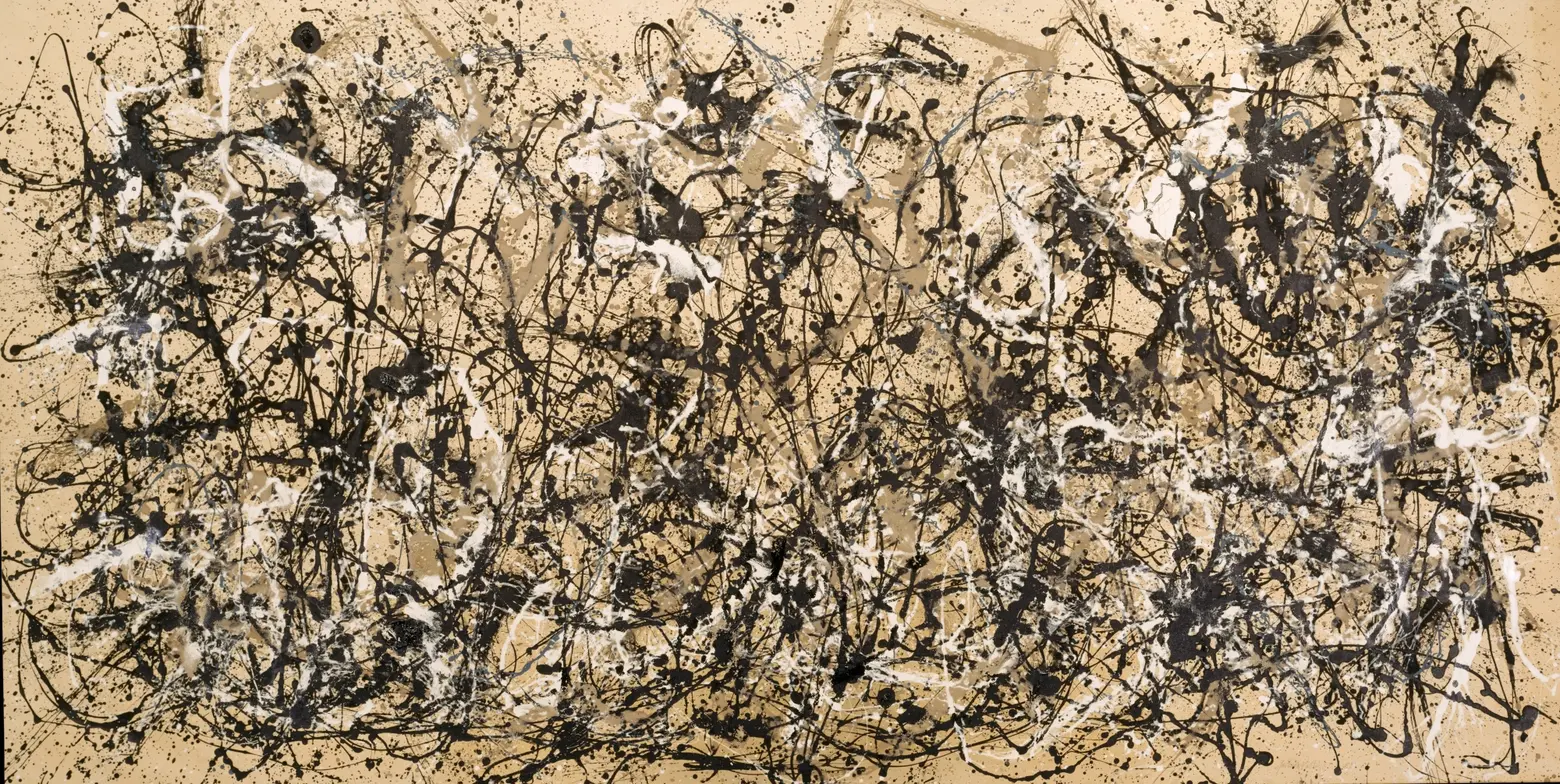
Jackson Pollock (American, 1912–1956), Autumn Rhythm (Number 30), 1950, Enamel on canvas, 8 ft. 9 in. × 17 ft. 3 in. (266.7 × 525.8 cm), The Metropolitan Museum of Art, New York, George A. Hearn Fund, 1957, © 2026 Pollock-Krasner Foundation / Artists Rights Society (ARS), New York
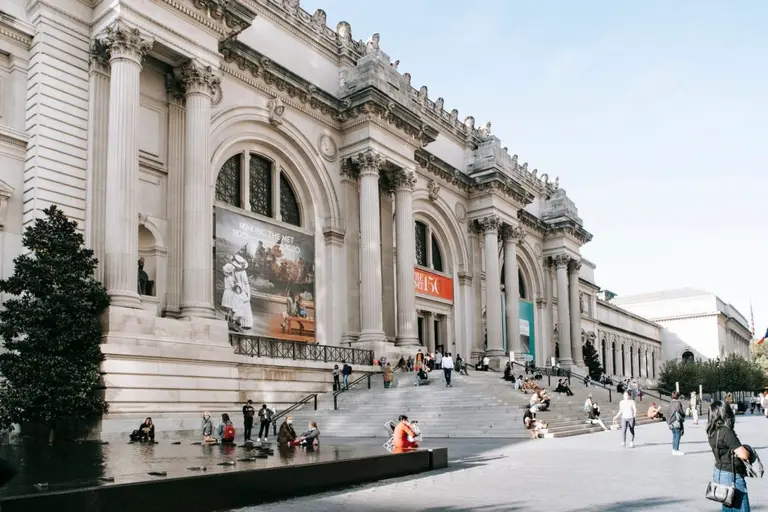
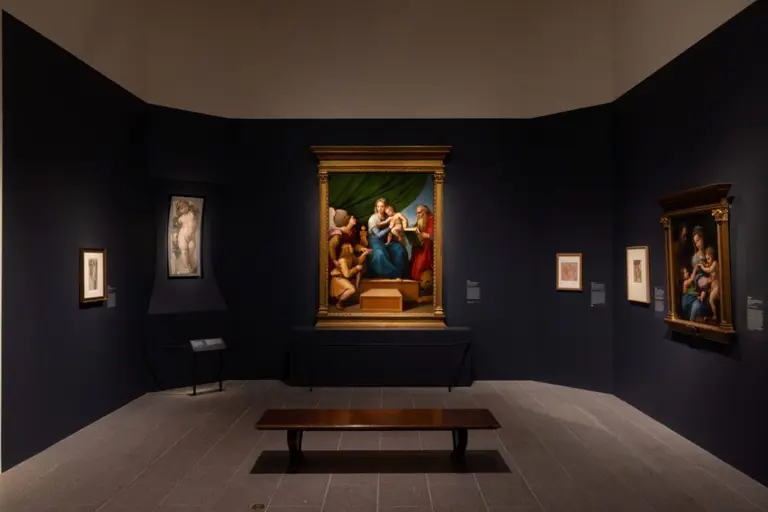
The largest exhibition celebrating abstract expressionist artists and life partners Jackson Pollock and Lee Krasner in two decades will open at the Metropolitan Museum of Art this fall. On view from October 4 through January 31, 2027, “Krasner and Pollock: Past Continuous” traces the full arc of both artists’ careers, highlights their impact on modern art, and introduces their work to a new generation. The exhibition—the first at the Met to feature both artists—will display over 120 works borrowed from more than 80 U.S. and international lenders.
Pollock and Krasner first met as emerging artists in New York, where their work appeared in a 1942 exhibition organized by artist John Graham. They married in 1945 and moved to Springs, Long Island, where they lived and worked until Pollock’s death in 1956. Following his passing, Krasner spent the next three decades creating some of her most transformative work.
The exhibition’s subtitle, “Past Continuous,” takes its name from a 1976 painting by Krasner and reflects the show’s aim of tracing the artists’ parallel lives and practices—first shaped by shared experiences and later by memory. It highlights the range and historical significance of Krasner’s work while offering a comprehensive assessment of Pollock’s rich artistic practice.
David Breslin, the Met’s curator of Modern and Contemporary Art and one of the exhibition’s organizers, told the New York Times that the show tells a “story of equals.” He highlighted how Krasner was often labeled “Mrs. Jackson Pollock” during her life, despite her significant artistic contributions.
“They were like two planets circling each other,” Breslin said. The curators wanted to “show how the two worked together, lived together, but how they also were two different individuals who told two very different stories about what art making is.”
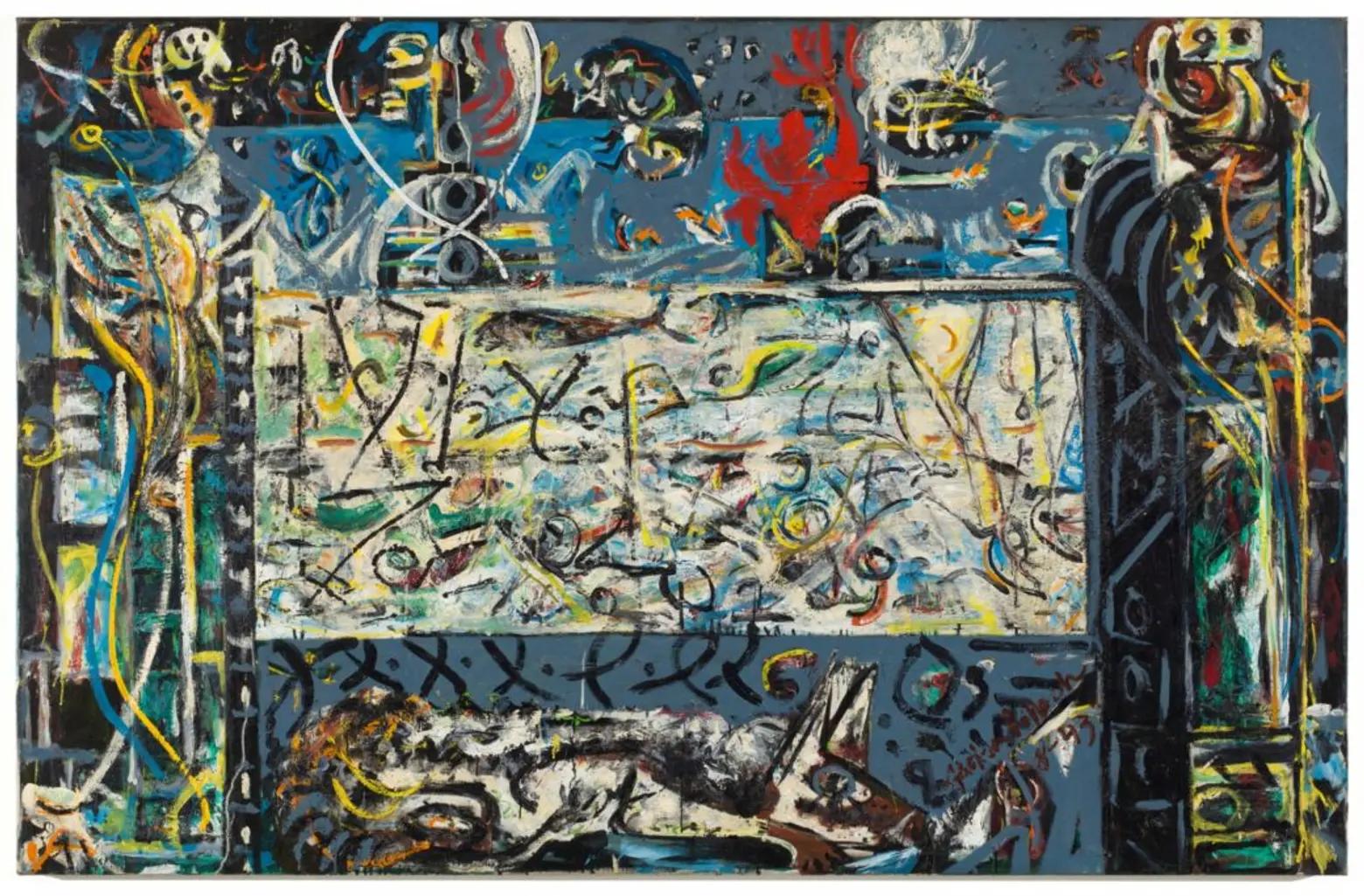
Collection, Albert M. Bender Bequest Fund purchase (45.1308), © 2026 Pollock-Krasner Foundation / Artists Rights Society (ARS), New York
Some galleries will present the artists’ work together, while others showcase them independently. Although both are connected to the abstract expressionist movement, a style that emerged primarily in New York in the early 1940s, Pollock and Krasner were shaped by their distinct upbringings and formative experiences.
Krasner, who grew up in Brooklyn, adopted and melded characteristics of the European avant-garde, drawing inspiration from artists such as Pablo Picasso, Henri Matisse, and Piet Mondrian. Her training under Hans Hofmann was pivotal to her artistic development.
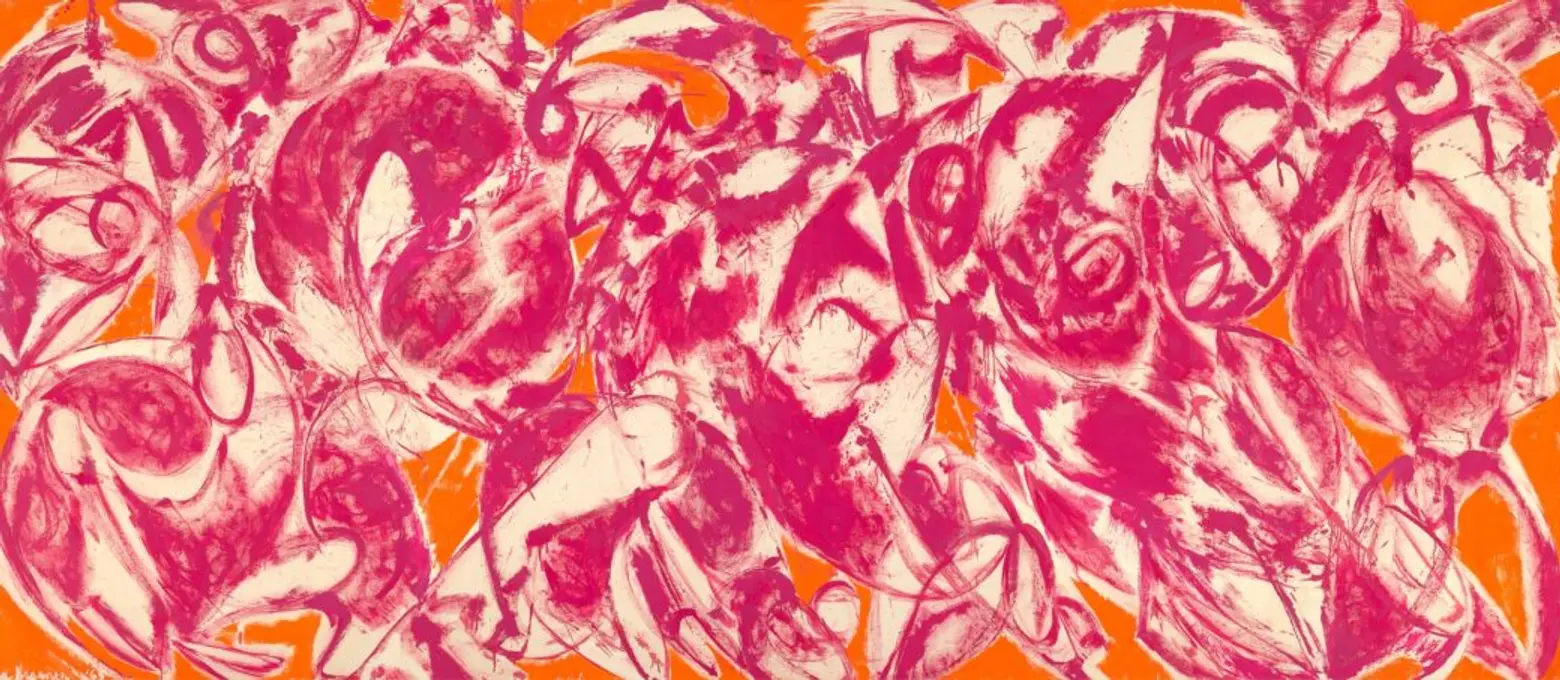
Pollock, born in Wyoming, drew on diverse influences including Thomas Hart Benton, American Regionalism, Mexican mural traditions, Surrealism, and his own family of artists. He gained fame for his innovative “drip” technique, which flourished in a brief but intensely productive period from 1946 to 1951.
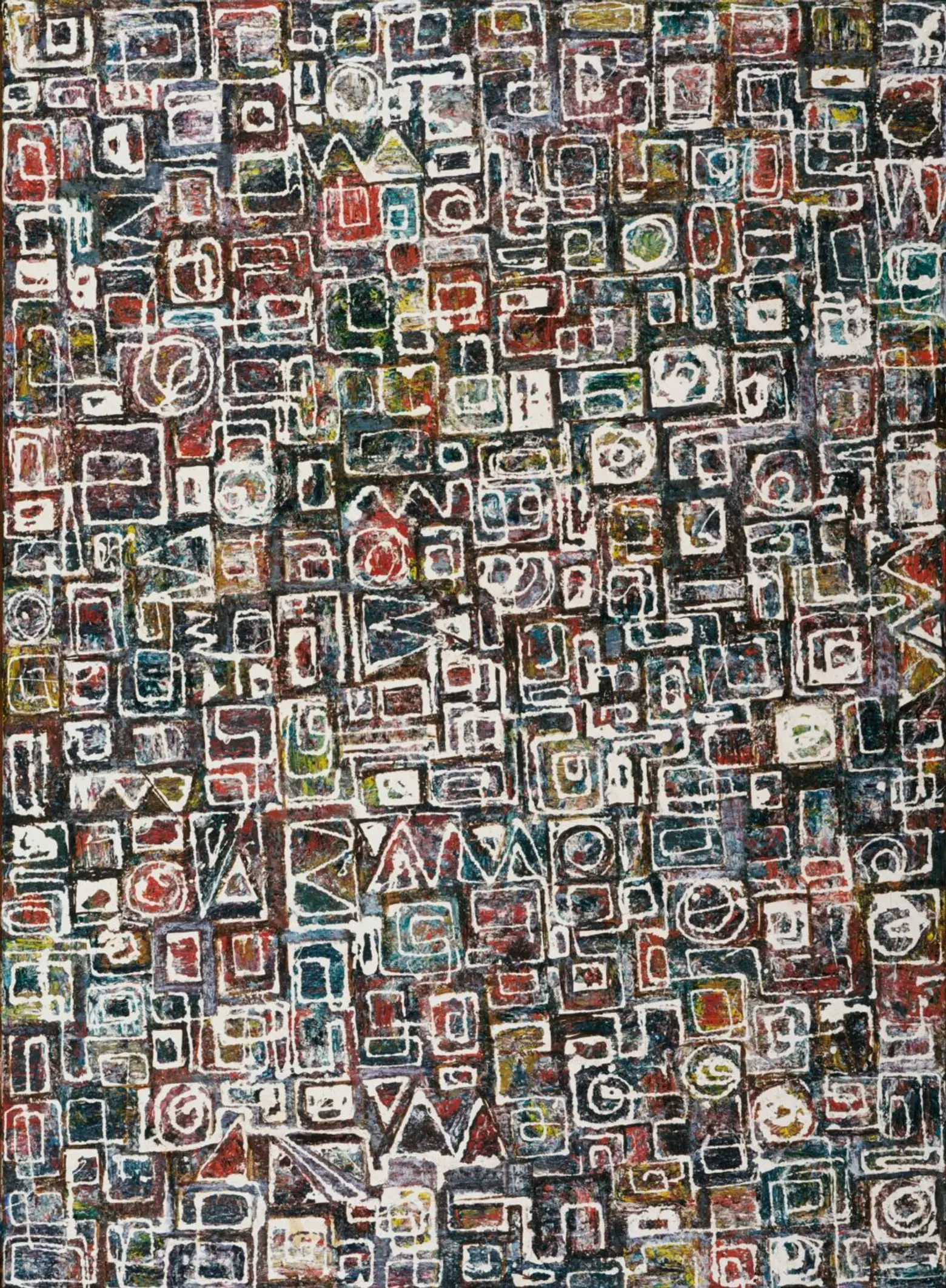
Krasner’s diverse practice explored abstraction extensively, often inspired by her fascination with nature and color. This exploration manifested in bold collages, gestural canvases, and vividly colored hard-edge paintings.
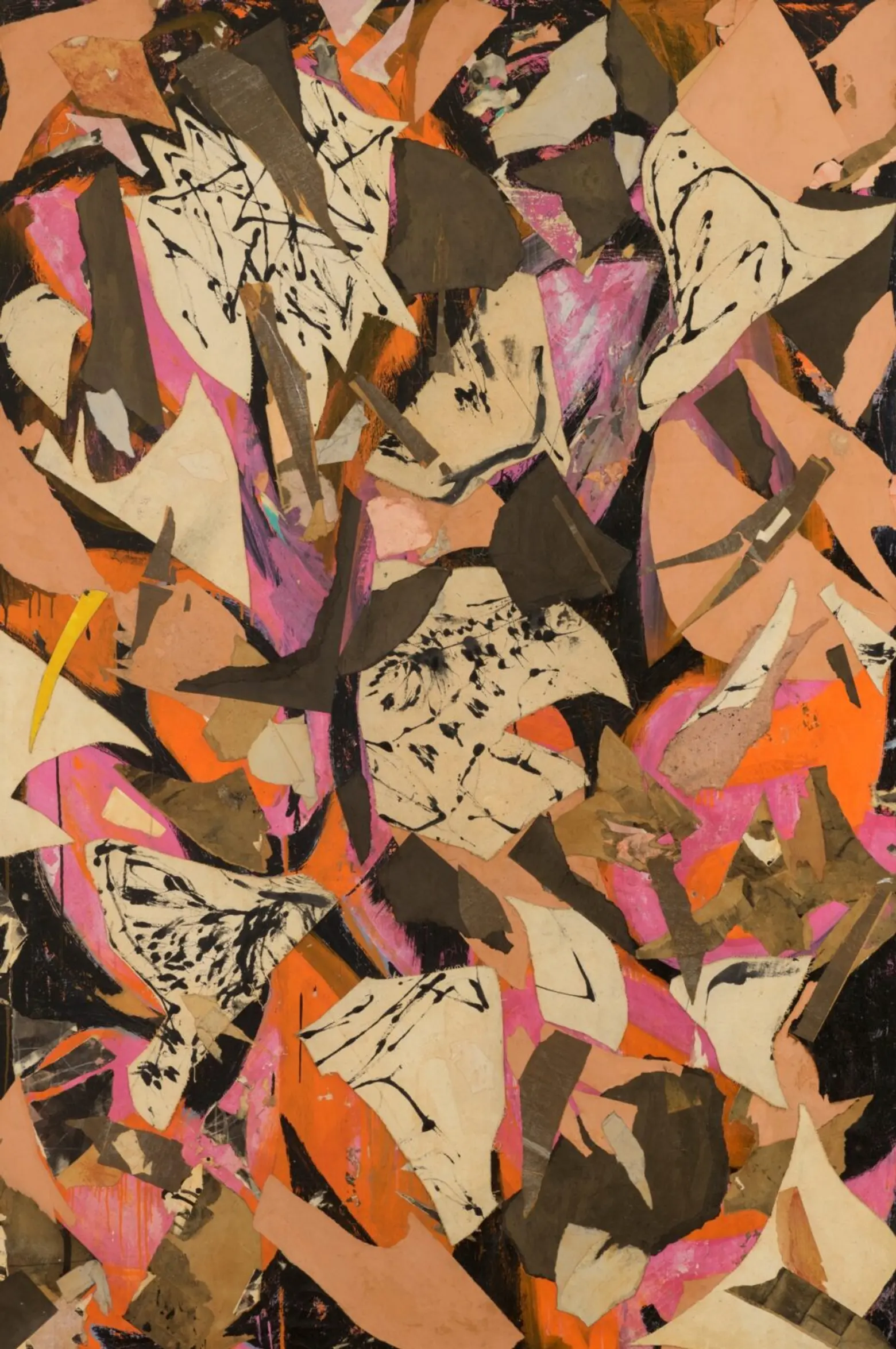
77 × 51 1/2 in. (195.6 × 130.8 cm), ASOM Collection, © 2026 Pollock-Krasner Foundation / Artists Rights Society (ARS), New York
Segmented into 12 chapters spanning each artist’s career and marked by defining moments, the exhibition begins in the 1930s, moves through the postwar years, and continues to the end of their respective lives. Designed with historic spaces and installations in mind, the exhibition highlights “moments of exchange” across time and practice, while still allowing visitors to engage with each artist’s work individually.
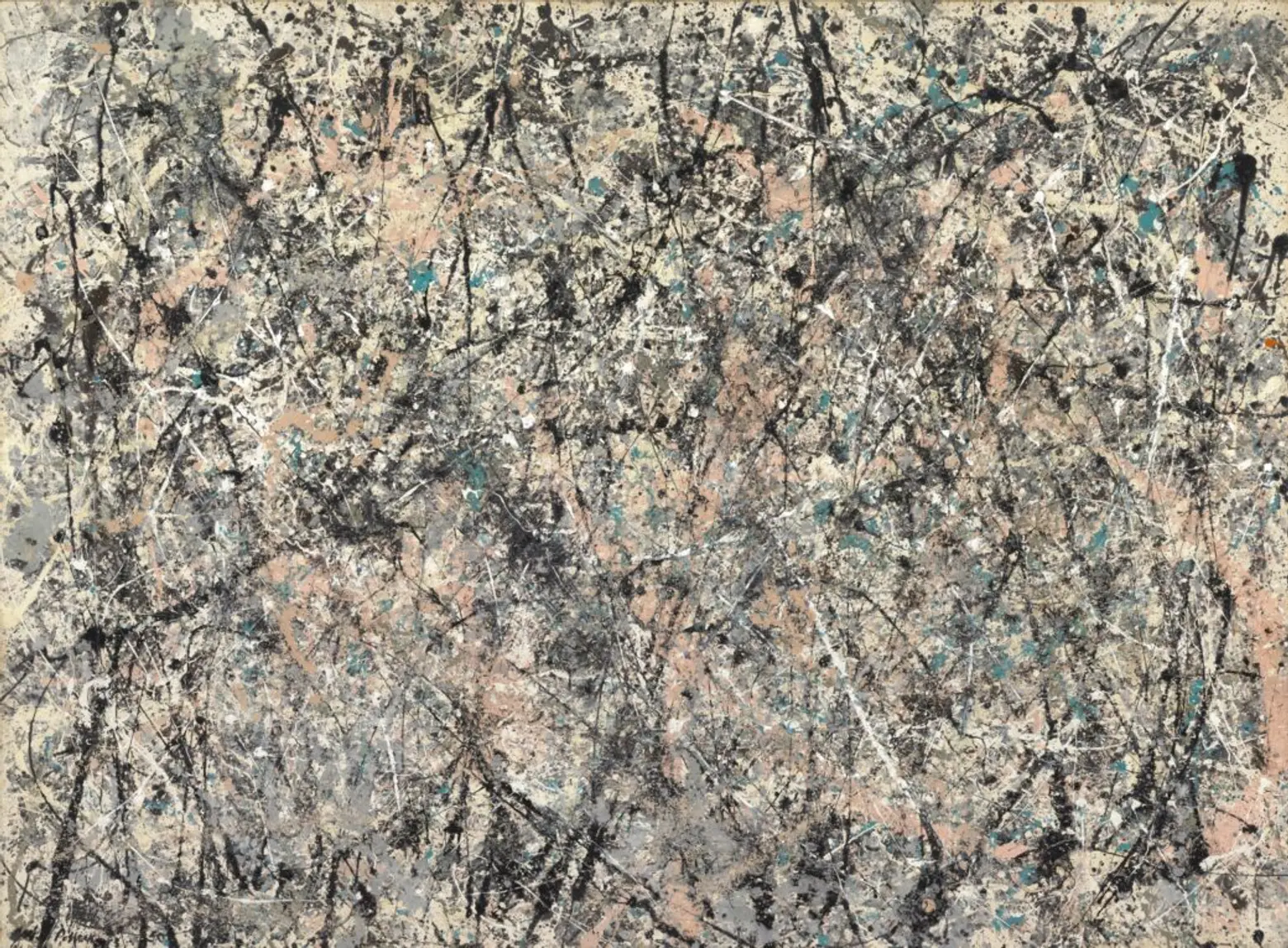
A diverse array of landmark works anchors the exhibition, including Krasner’s “Composition” (1949), “The Seasons” (1957), “The Eye Is the First Circle” (1960), and “Combat” (1965). Featured Pollock works include “Stenographic Figure” (1942), “Guardians of the Secret” (1943), “Number 1, 150 (Lavender Mist)” (1950), and “The Deep” (1953).
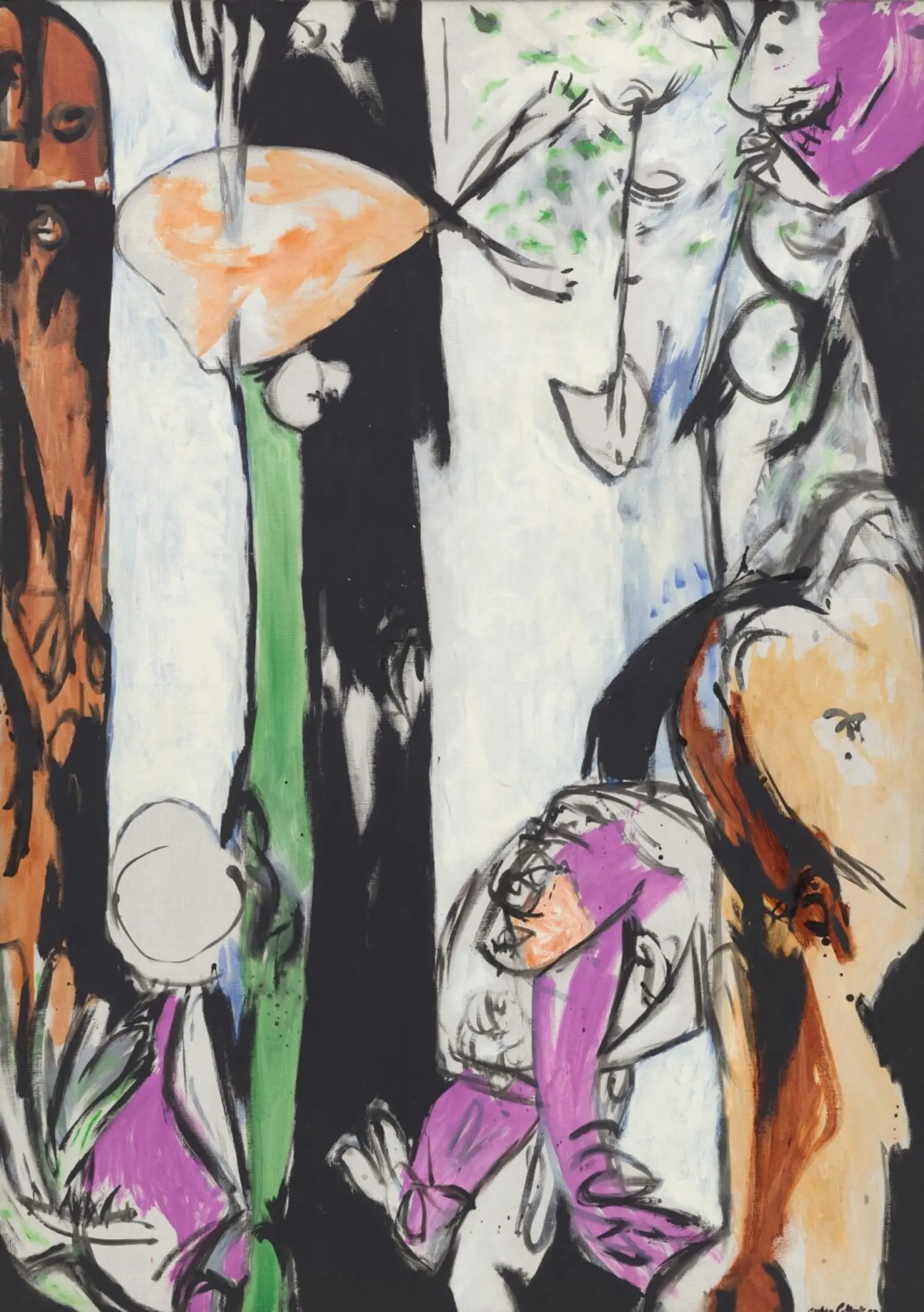
While previous exhibitions, “Krasner/Pollock: A Working Relationship” (1981) and “Lee Krasner–Jackson Pollock: Kunstlerpaare Kunstlerfreunde” (1989–90), focused on the roughly 15 years in which the artists’ lives overlapped, the Met’s exhibition is the first to present both of their practices in a full chronological progression together.
It also marks a significant moment for both artists’ legacies. Pollock first exhibited at the Met in 1943 in a show supporting World War II. By the end of the 40s, he was part of a group of artists who famously critiqued the museum’s prevailing approach to contemporary art. Shortly after his death, the Met acquired Pollock’s landmark painting “Autumn Rhythm (Number 30)” (1950).
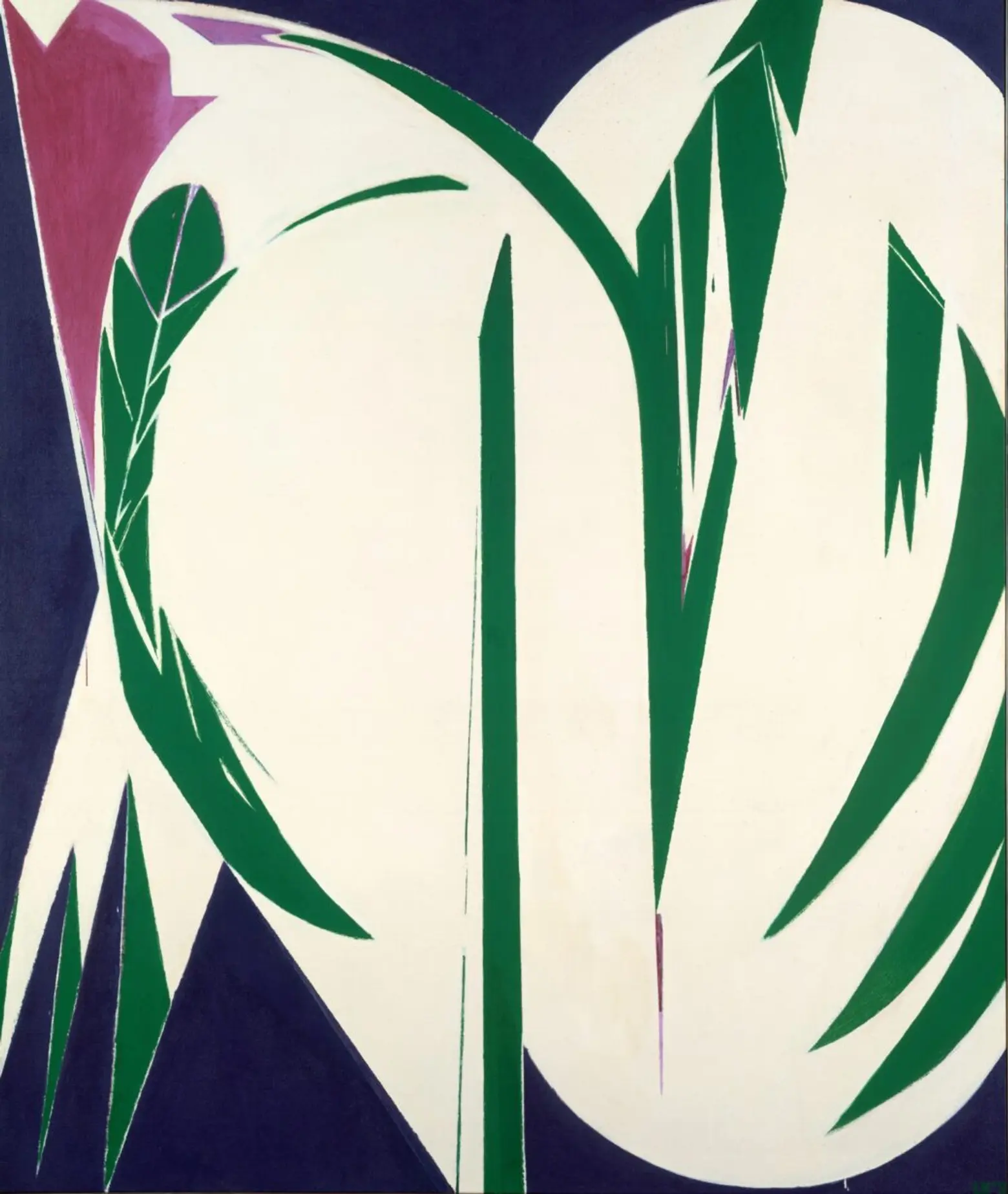
(ARS), New York
The Met’s collection of Krasner’s work includes gifts she made during her lifetime, ranging from early self-portraits to her celebrated “Rising Green” (1972). The museum also hosted Krasner’s memorial service in 1984.
According to the Met, the exhibition reflects their commitment to highlighting artists whose work continues to shape how art is made and understood.
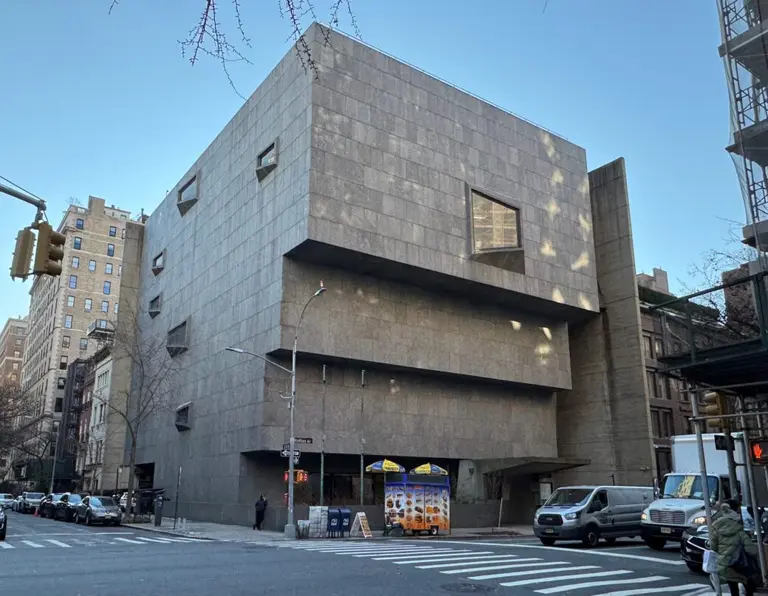
Ahead of the Tang Wing for Modern and Contemporary Art, slated to open in 2030, “Krasner and Pollock: Past Continuous” demonstrates a curatorial approach that reexamines canonical narratives and connects 20th-century innovations to the concerns of today’s artists and audiences.
Designed by Mexico City-based architect Frida Escobedo, the five-story wing will be dedicated to contemporary and modern art. It marks the first Met museum wing designed by a woman in its 154-year history, as 6sqft previously reported.
In a statement, Max Hollein, Marina Kellen French director and CEO of the Met, emphasized the exhibition’s significance.
“With its distinctive premise and scope, ‘Krasner and Pollock: Past Continuous’ exemplifies the Met’s commitment to reexamining modern art through rigorous scholarship and fresh perspectives,” Hollein said.
“By considering each artist on their own terms while also foregrounding their consequential relationship, the exhibition situates Krasner’s and Pollock’s work within a broader cultural and artistic context. This project affirms Krasner and Pollock not only as defining figures of their moment, but as artists whose work continues to shape and inspire future generations.”
RELATED: