Trump administration agrees to display Pride flag at Stonewall after lawsuit
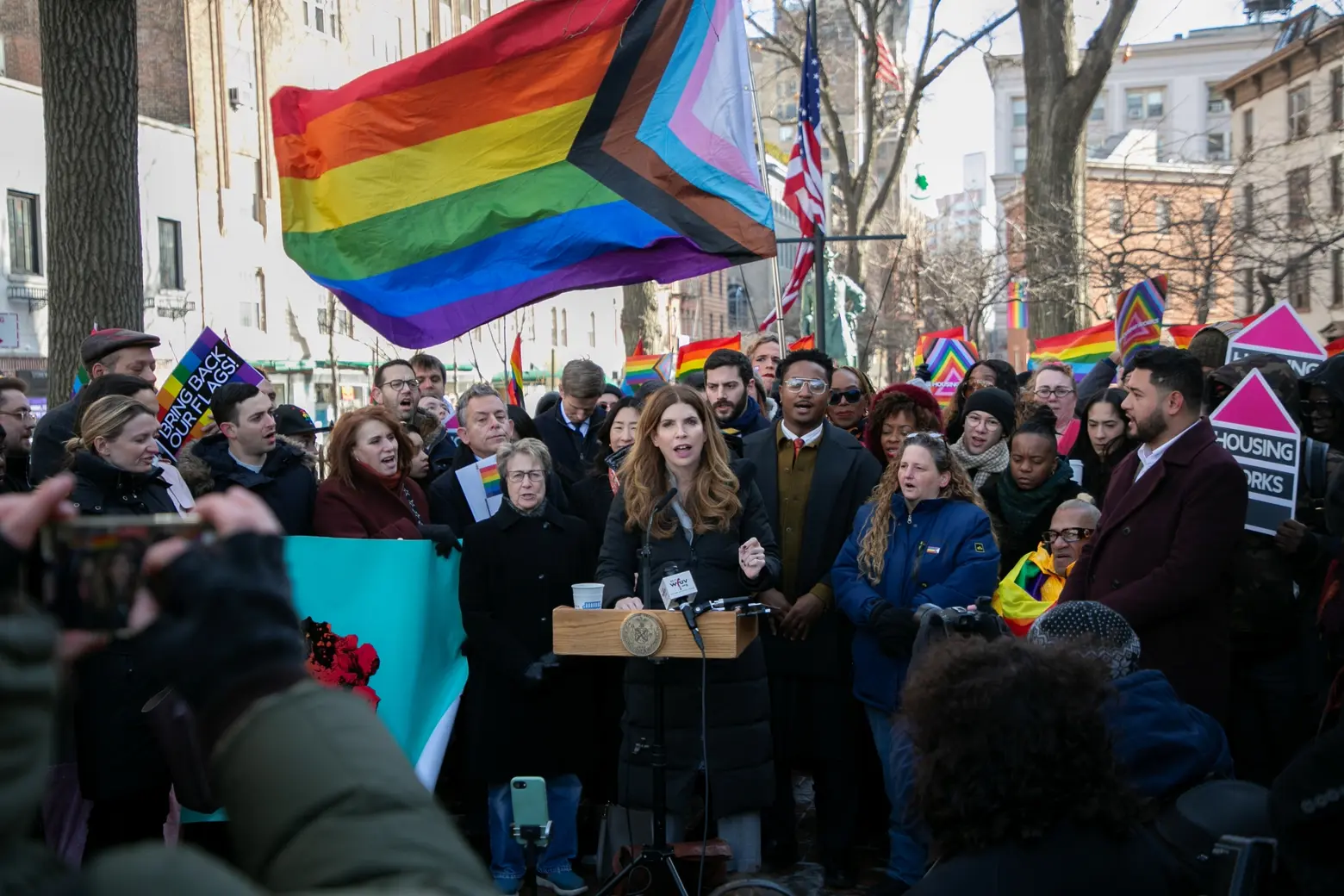
Credit: Will Alatriste/NYC Council Media Unit on Flickr
The Pride flag will be displayed permanently at Stonewall National Monument in Greenwich Village after the Trump administration agreed to reverse its decision to remove it. As part of a court settlement reached on Monday, the federal government agreed to reinstall three flags on the monument’s flagpole within a week, according to the Associated Press. Filed by a group of nonprofits after the flag’s removal on February 9, the lawsuit argued that the administration illegally targeted LGBTQIA+ people and violated a policy allowing the National Park Service (NPS) to display “non-agency” flags at federal sites when they provide historical context.
“This is a victory for the LGBTQ+ community and for our entire city. It’s a reminder that New Yorkers won’t let our history be rewritten,” Mayor Zohran Mamdani said in a post on X. “Our administration will keep working to ensure LGBTQ+ New Yorkers can live safely and with dignity in our city.”
The flag was removed in February due to a January 21 guidance issued by the U.S. Department of the Interior, which stated the NPS may fly “only the US Flag, flags of the DOI, and the POW/MIA flag.” This includes limited exceptions for flags “provide historical context, such as earlier versions of the U.S. flag at a historic fort, or are part of historic reenactments or living history programs.”
On February 17, a coalition of nonprofits led by a foundation honoring Gilbert Baker, the artist who created the Pride flag in 1978, filed a federal lawsuit against the administration in an effort to restore the symbol. The suit argued that the Pride flag falls under those limited exceptions allowing “historical context” at federal sites, as reported by the New York Times.
The coalition, which also includes Village Preservation and Equality New York, argued that the decision to remove the flag was not about adhering to the guidance but instead another attack on the LGBTQIA+ community by the Trump administration.
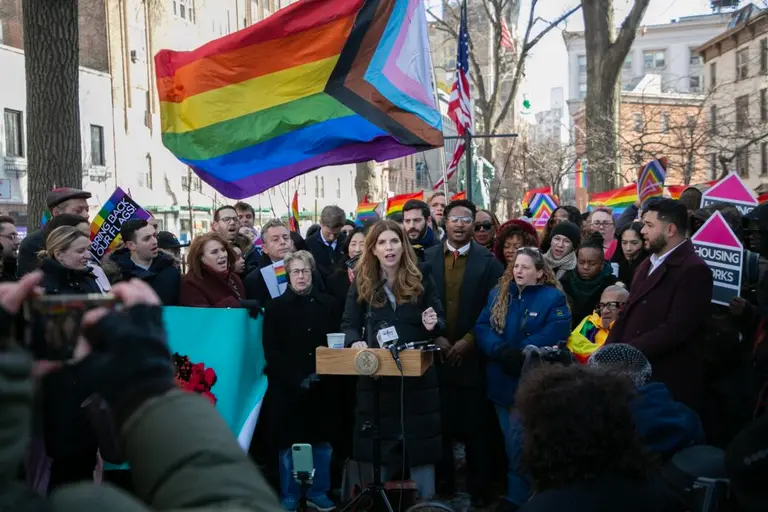
Days after it was removed, NYC officials and hundreds of New Yorkers re-raised the flag at the site, where it has since flown in an unofficial capacity, though it could have been removed at any time. Weeks later, Sen. Chuck Schumer and Rep. Dan Goldman introduced legislation to make the Pride flag congressionally authorized, seeking to amend the guidance.
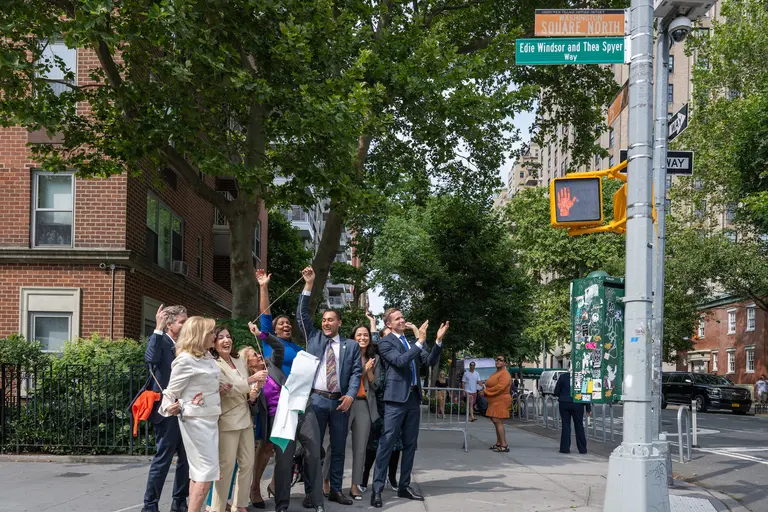
Manhattan Borough President Brad Hoylman-Sigal, who helped organize February’s flag re-raising, celebrated the settlement.
“We fought the Trump administration—and we won. I’m thrilled that after we rallied and re raised the Pride flag with elected officials and advocates on February 13, the Trump administration has blinked and backed down from its contemptuous attempt to erase American history,” he said.
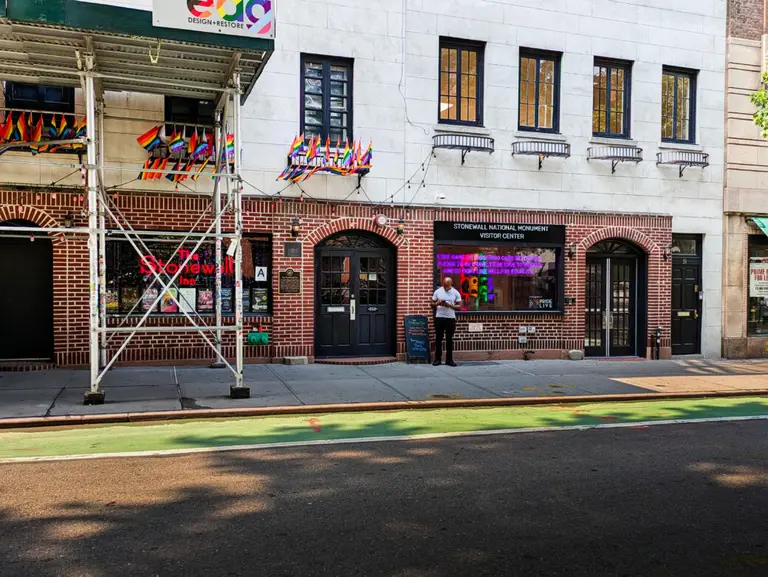
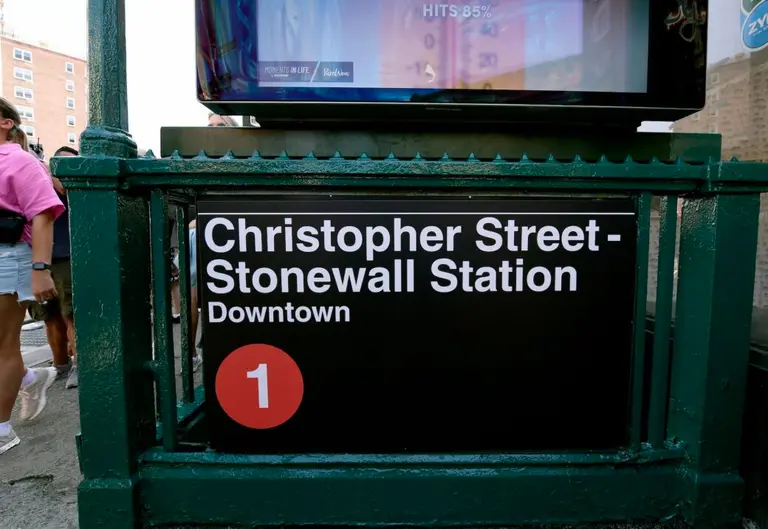
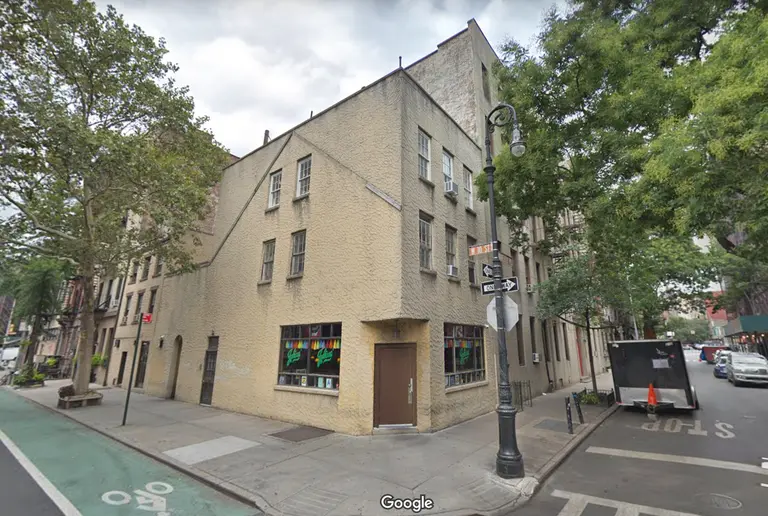
Located next to the historic Stonewall Inn on Christopher Street, the monument commemorates the June 28, 1969, police raid that sparked three days of protests and ignited the modern LGBTQ+ rights movement, as 6sqft previously reported.
In 2016, former President Barack Obama designated the site, including the bar, Christopher Park, and surrounding streets, as a national monument. During the Biden administration, advocates successfully pushed the federal government to allow a Pride flag to fly on federal land within the park, according to Gay City News.
The flag’s removal in February marked a continued assault on the LGBTQIA+ community by the Trump administration.
Last year, the NPS also removed transgender references from its Stonewall National Monument webpage. The agency deleted the words “transgender” and “queer” from the LGBTQ+ acronym on the site, following a series of executive actions by Trump that rolled back transgender rights, including banning trans people from women’s sports, the military, and minors from receiving gender-affirming care, as 6sqft previously reported.
Months later, the NPS removed several references to the word “bisexual” from the site. In 2025, the administration also discontinued the existing Pride flag design, which displayed black and brown stripes and Trans flag colors, and permitted only the standard Pride flag to fly on the flagpole.
RELATED: