NYC landlords must now disclose if buildings have rent-stabilized apartments
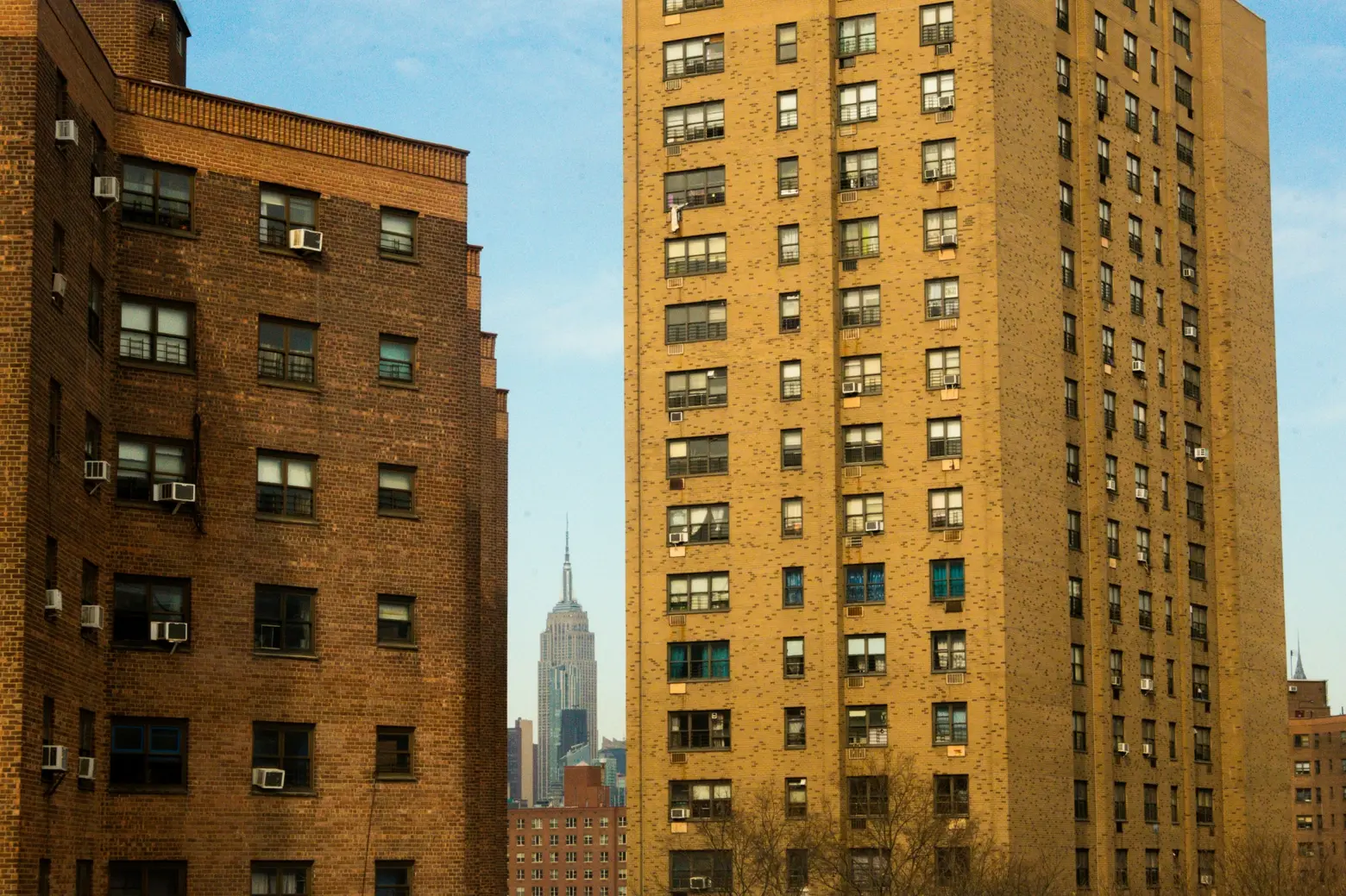
Credit: Matthew Moloney on Unsplash
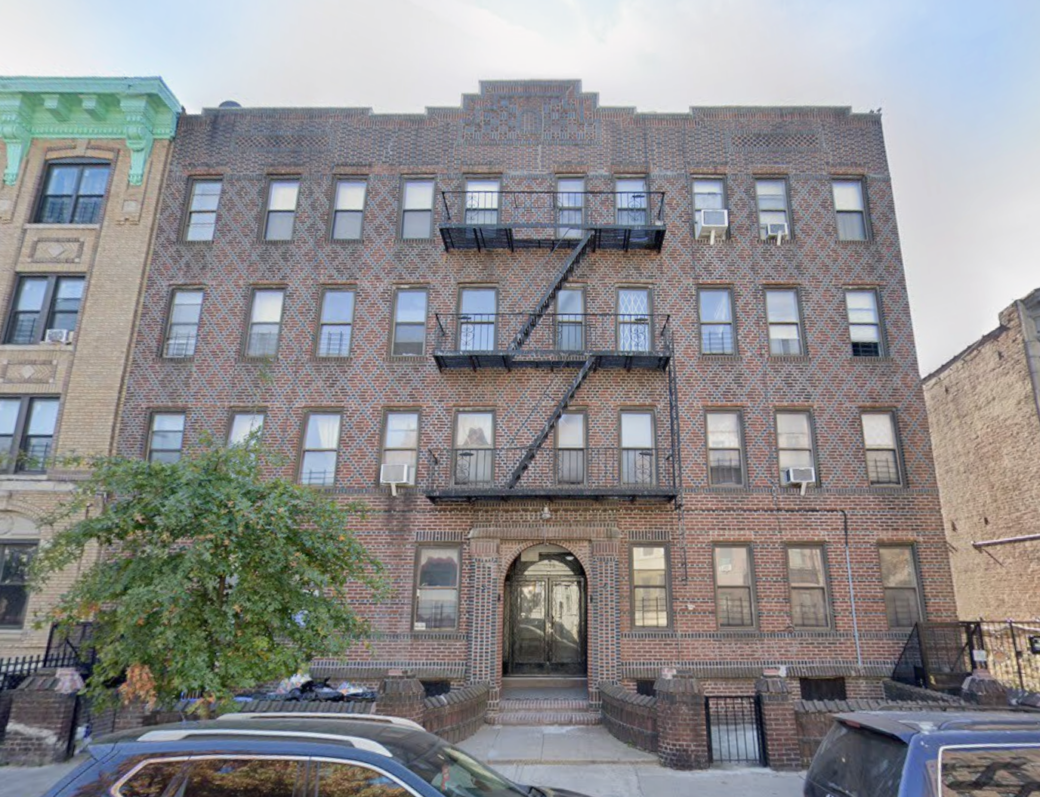
New York City renters are now legally entitled to clear, accessible information about whether stabilized apartments exist in their buildings. Last week, Local Law 86, aka the Rent Transparency Act, took effect, requiring landlords of buildings with at least one stabilized unit to post notices in common areas informing tenants that units may be rent-stabilized and how to get more information. The law aims to empower renters to know if they are being illegally overcharged.
Sponsored by Council Member Sandy Nurse, the Rent Transparency Act was approved by the City Council in May but was returned unsigned by former Mayor Eric Adams a month later. Under city law, legislation that is neither signed nor vetoed within 30 days automatically becomes law, according to PIX11.
“The Rent Transparency Act is a simple but powerful way to ensure that more than two million New Yorkers living in rent-stabilized homes know their status and aren’t being overcharged,” Nurse said.
“Clear, accessible notice empowers tenants and provides a critical safeguard against the deregulation of affordable housing.”
By law, apartments are generally considered rent-stabilized if they meet certain criteria, such as being located in buildings constructed before 1974 with six or more rental units, or if owners received tax incentives to prevent rent overcharges, as 6sqft previously reported.
Designed to improve transparency, the law requires landlords to provide information on how tenants can submit inquiries to the state’s Homes and Community Renewal (DHCR) to determine whether their units are rent-stabilized, part of a broader effort to prevent rent overcharges.
The notice, which is available in English, Spanish, and additional languages on HPD’s website, must be posted in a building’s common area and state:
“This building contains one or more units that are subject to the Rent Stabilization Law of 1969. To find out if your unit is registered as rent-stabilized, contact the New York State Division of DHCR by calling 718-264-3800 or going online to www.hcr.ny.gov. Owners of such buildings must submit an annual registration to DHCR and provide each tenant with a copy of the information that pertains to their unit. Owners that fail to file may be subject to penalties.”
The notice must also display the building’s address and property registration number. Enforcement will rely on both residents of rent-stabilized buildings and HPD staff, who will check for the required signage during inspections of buildings containing stabilized units.
Opponents of the law argue it could “sow confusion” among non-stabilized tenants in mixed buildings. During a City Council hearing on the bill in late 2024, the Real Estate Board of New York, which represents landlords and developers, warned that the signage could lead market-rate tenants to mistakenly believe they are entitled to the same rights as rent-stabilized tenants.
To find out if your apartment is rent-stabilized, request your rent history through the state’s Housing and Community Renewal agency here. A response will be mailed to your apartment within 20 business days.
RELATED: