
Starting in 2026, NYC’s rent-stabilized apartments will be easier to find
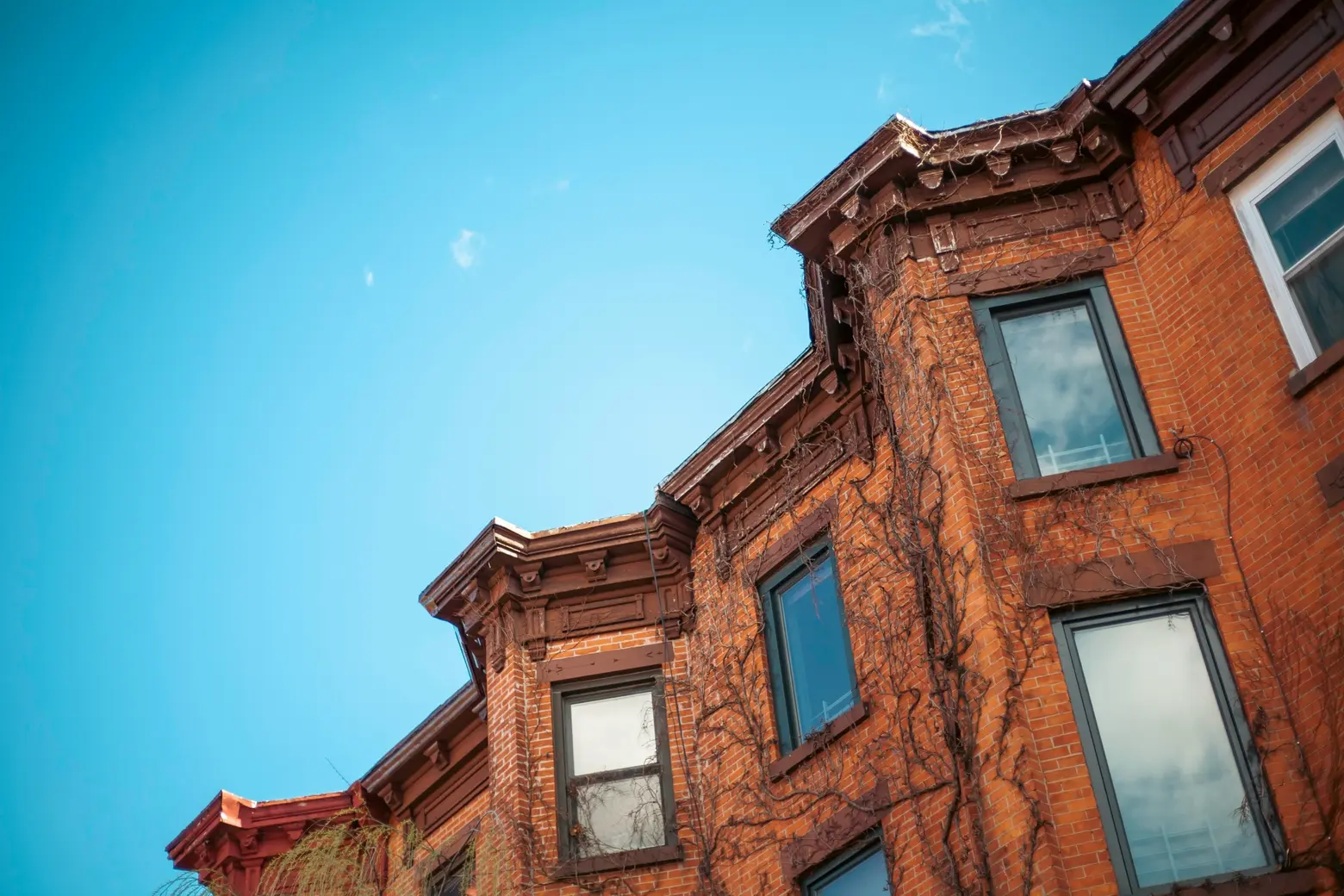
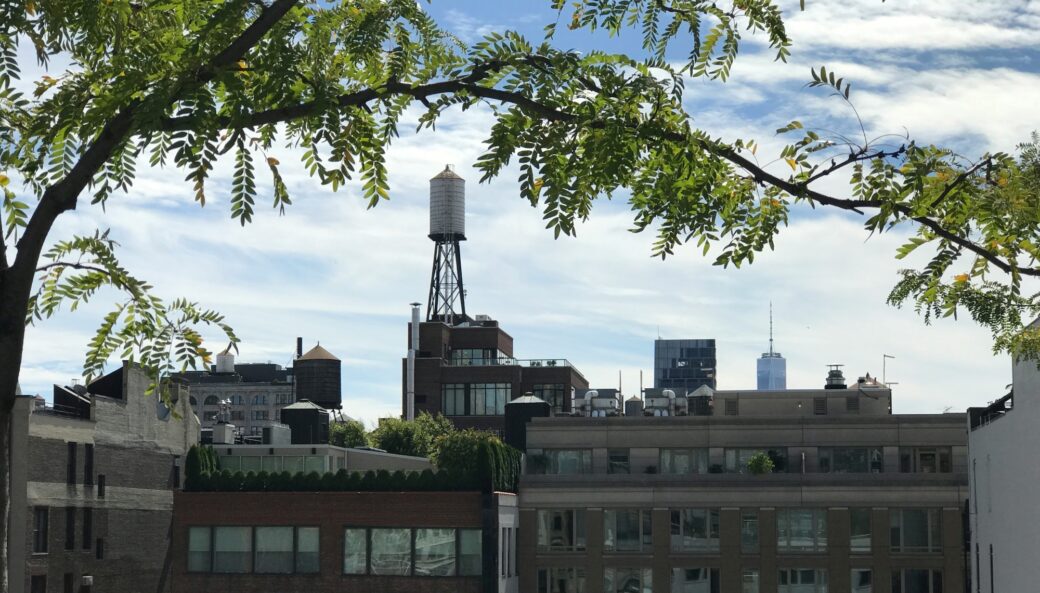
Credit: Tyler Donaghy on Unsplash
Apartment hunters in New York City will have an easier time finding rent-stabilized units next year, as a new city law takes effect on January 1. Passed in June, Intro. 1037, also known as the Rent Transparency Act, requires landlords to more clearly publicize rent-stabilized units in their buildings and explain how prospective tenants can access further information. Sponsored by Council Member Sandy Nurse, the bill requires that a sign be posted in building common areas and made available in both English and Spanish.
Although the City Council approved the bill in May, Mayor Eric Adams returned it unsigned a month later. Under city law, legislation that is neither signed nor vetoed within 30 days automatically becomes law, as reported by PIX11.
The measure aims to improve rent transparency. Starting in 2026, landlords will also have to provide information on how tenants can submit inquiries to the state’s Homes and Community Renewal agency to determine whether their units are rent-stabilized, part of a broader effort to prevent rent overcharges.
By law, apartments are generally considered rent-stabilized if they meet certain criteria, such as being located in buildings constructed before 1974 with six or more rental units, or if owners received tax incentives in exchange for keeping rents affordable.
Landlords are required to register stabilized units annually and provide tenants with a copy of that registration, while the state’s Division of Housing and Community Renewal (DHCR) maintains a database of those properties, according to City Limits.
However, many landlords do not consistently comply, making it difficult for tenants to determine whether their apartments are stabilized or if landlords are overcharging them unless tenants request a rent history from the state themselves.
During a City Council hearing on the bill in late 2024, the Real Estate Board of New York, which represents landlords and developers, warned that the law’s signage requirement could “sow confusion” among non-stabilized tenants in mixed buildings, leading them to believe they are entitled to the same rights as rent-stabilized tenants.
Nurse says her sponsorship of the bill is inspired by personal experience. In an interview with City Limits, she said she only discovered her apartment was rent-stabilized after a housing organizer advised her to obtain her rent history from the DHCR.
“I just went through my third lease renewal in which the landlord acted as if we hadn’t had the conversation several times, and tried to jack up the rent well beyond what was legally allowed for a rent-stabilized unit,” Nurse told City Limits.
“This is me as a council member, knowing what I know and having this experience and education level in terms of city government. The average New Yorker doesn’t know.”
Enforcement will rely on both residents of rent-stabilized buildings and staff from the Department of Housing Preservation and Development, who will check for the required signage during inspections of buildings with stabilized units.
“Over two million people live in rent-stabilized homes and none of them should be charged more than the legal rent,” Nurse said in a May press release. “Tenants who are unaware that they live in rent-stabilized units can face illegal rent hikes, harassment, and eviction by bad landlords who seek to deregulate units.”
“Intro 1037, the Rent Transparency Act, will empower tenants by providing them with the right information to fight back against greedy, unscrupulous landlords who are breaking the law.”
RELATED:
Get Insider Updates with Our Newsletter!
Leave a reply
Your email address will not be published.


















Unfortunately, this new law will see more landlords withholding RS more units from the market, like my landlord does. There are no laws to compel landlords to list their RS units.
my landlord has several vacancies and has not rented them for years the apartment next to me the lady died 8 yrs ago and he has left it empty because her rent was frozen at $505 and he will not let anyone have it , it should be a huge violation fine and you will see how they won’t continue to do this technique