Eliot Spitzer’s planned Fifth Avenue condo tower gets height boost
All renderings courtesy of Spitzer Enterprises
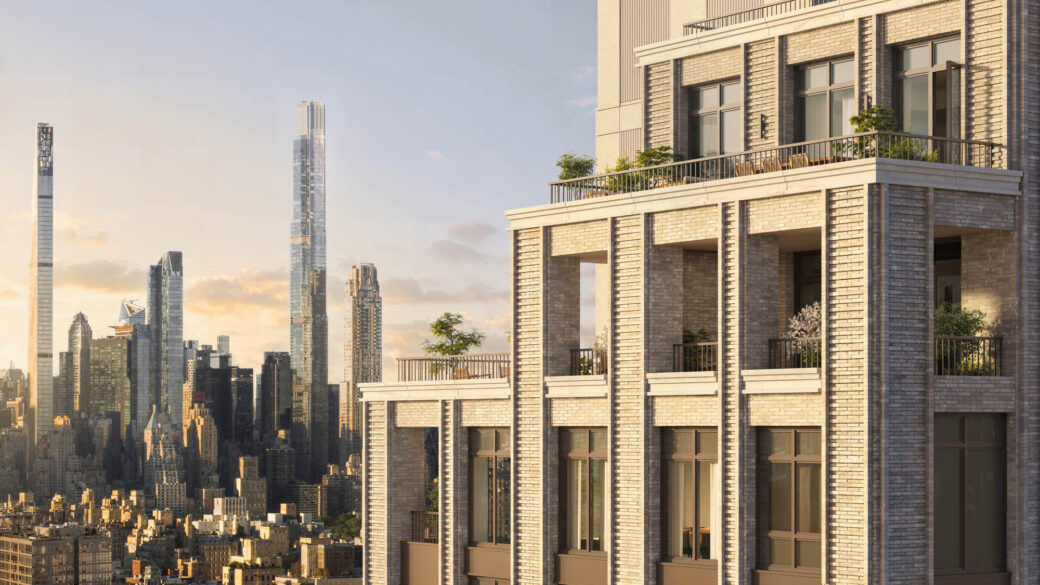
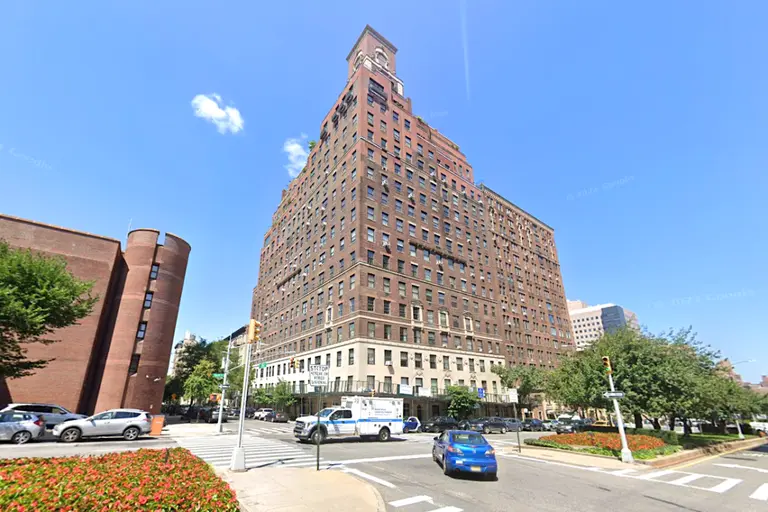
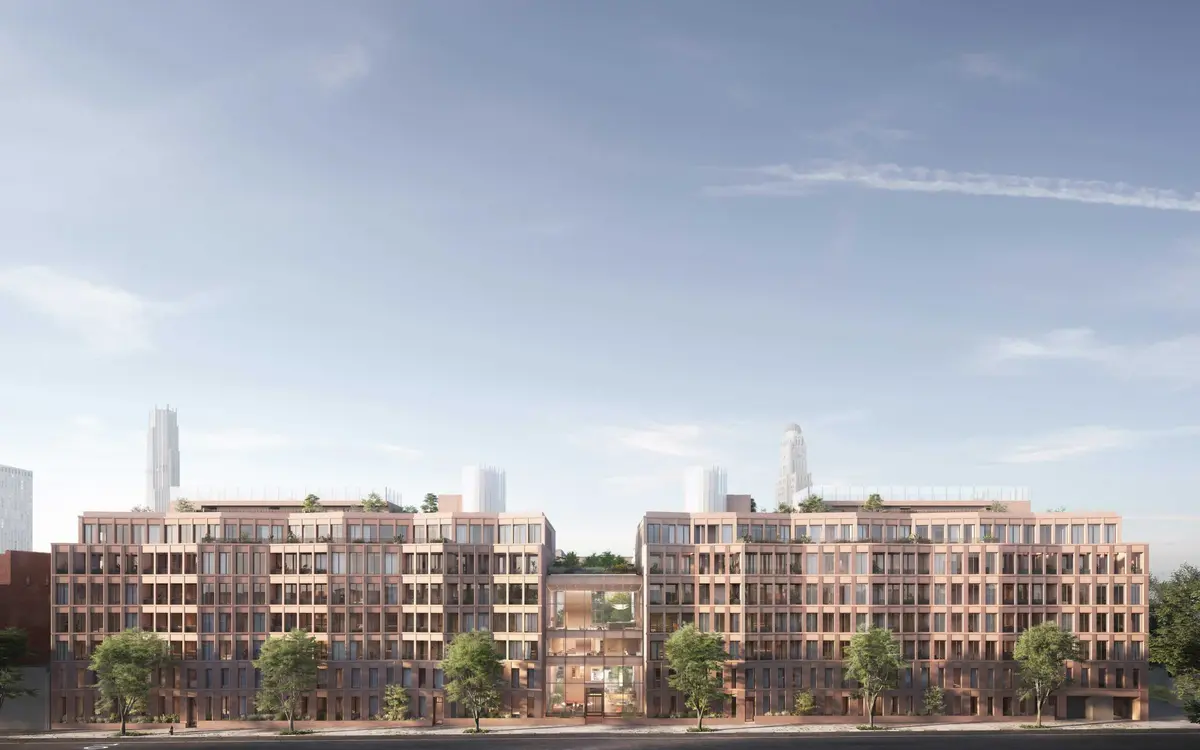
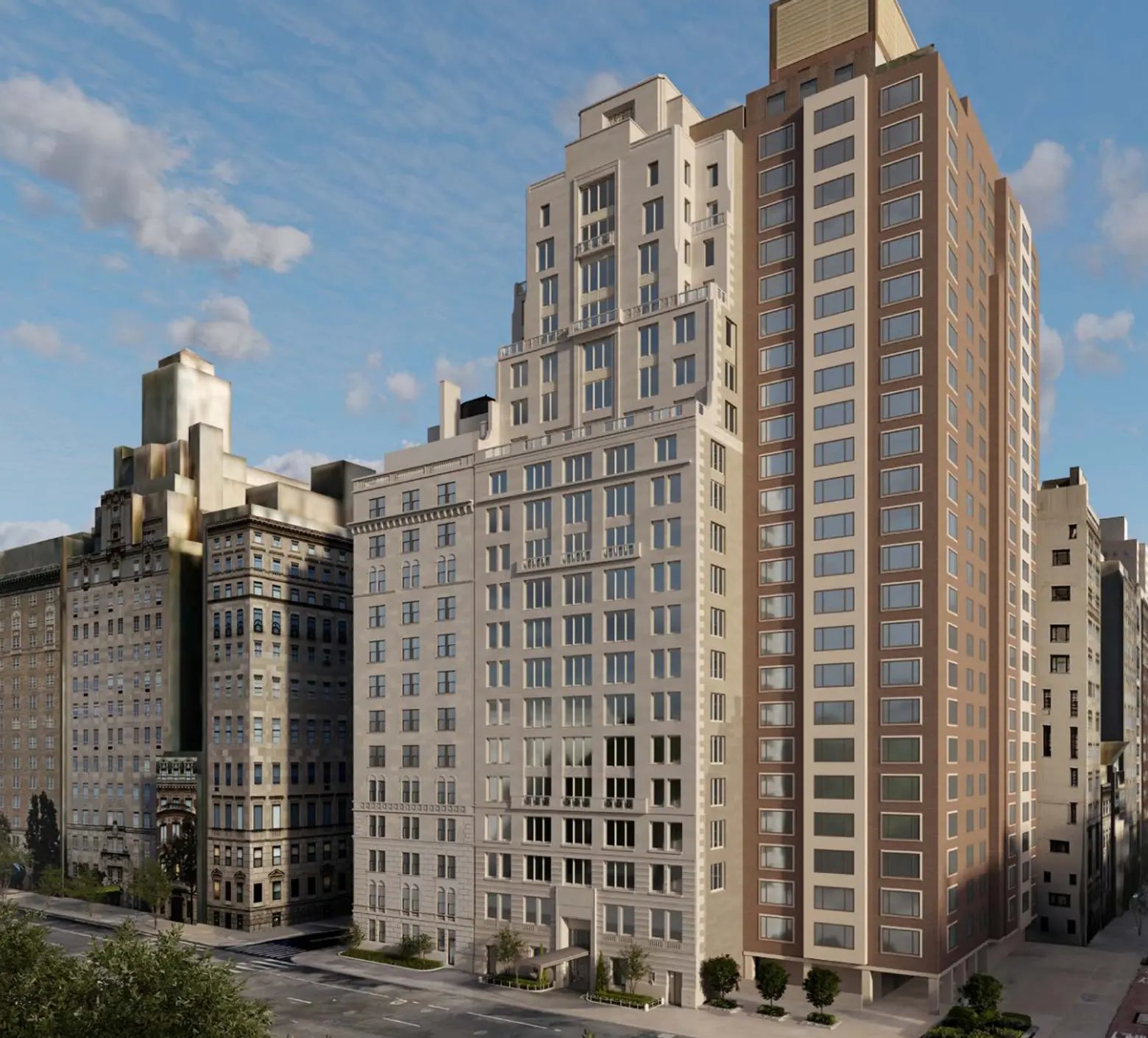
Former New York Gov. Eliot Spitzer’s proposed Upper East Side condo project, which would replace a 1970s-era rental building with 26 luxury residences, just got a slight height boost. On Tuesday, the Landmarks Preservation Commission approved Spitzer’s proposal to raise his planned development at 985 Fifth Avenue from 19 to 20 stories using City of Yes zoning reforms, replacing a 25-story rental building approved for demolition in 2023. Other approved changes include a textured limestone facade, a rear yard extension, and the removal of an adjacent public plaza.
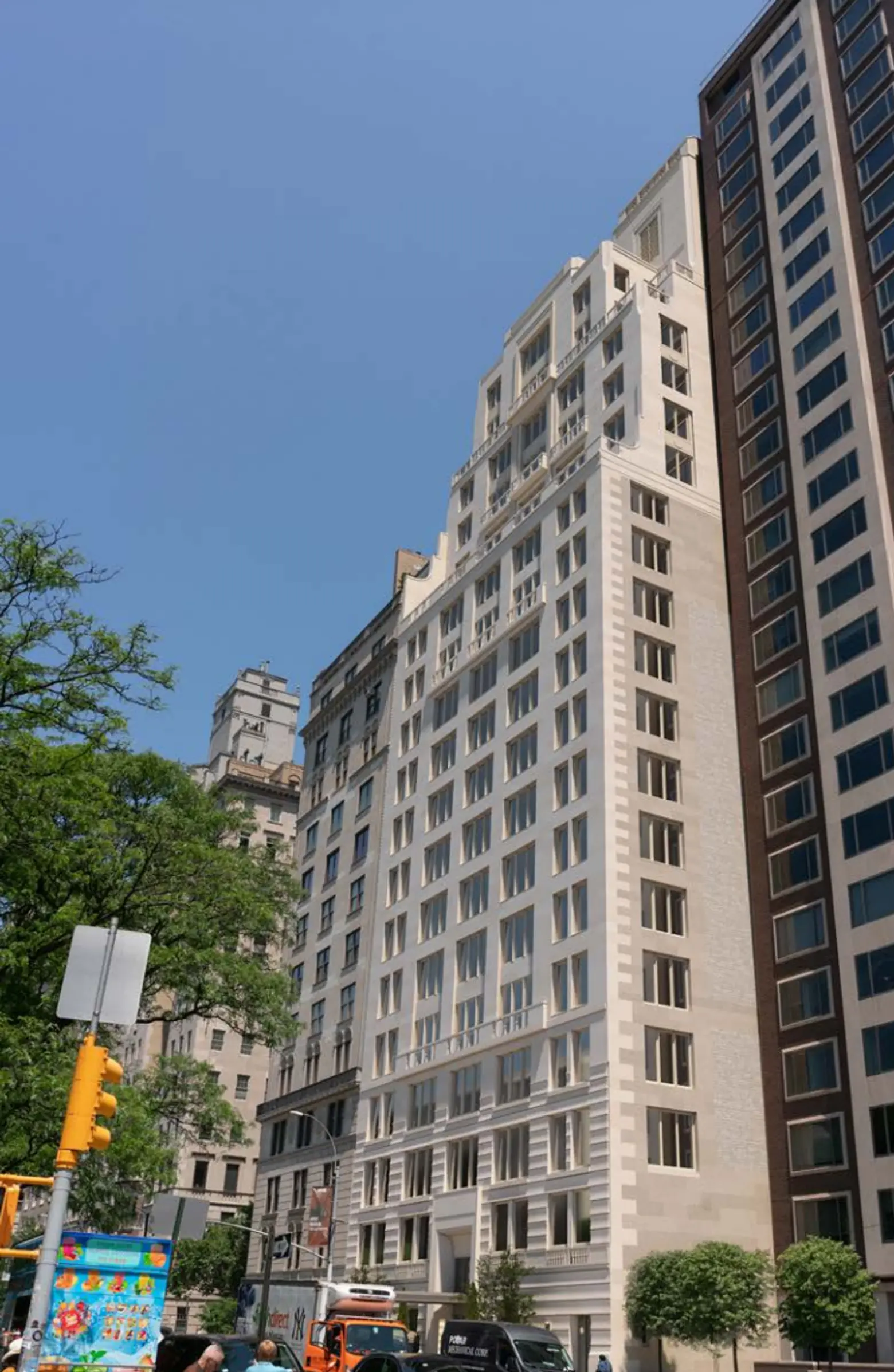
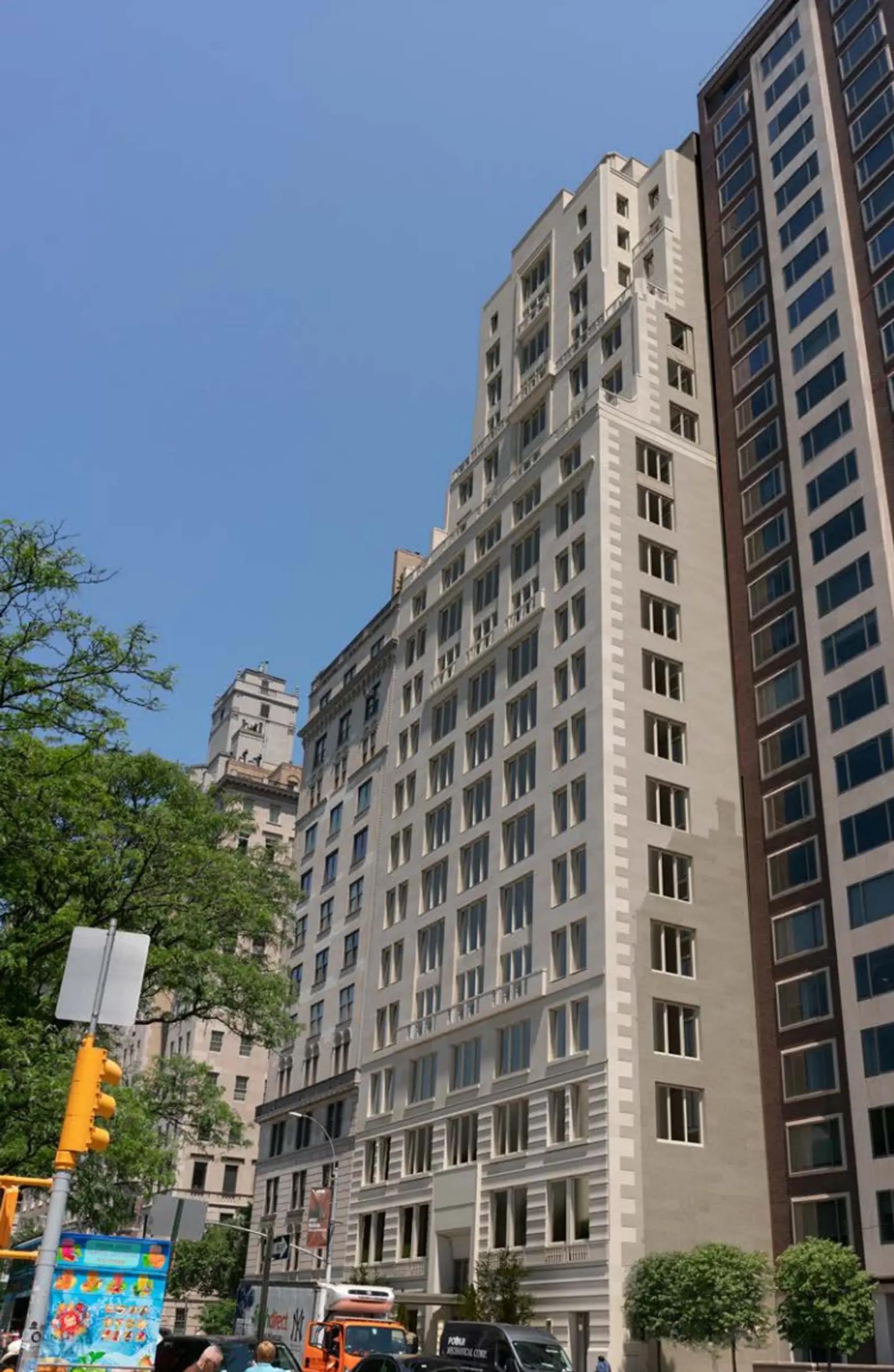
The luxury condo tower is being developed by Spitzer Enterprises, a real estate firm founded by the governor’s father in the early 1950s. Eliot Spitzer took over the firm after resigning from office in 2008 following a prostitution scandal.
The existing 25-story building was developed by Spitzer’s father, Bernard, in 1969, according to Crain’s.
Designed by Studio Sofield and SLCE, the project was first proposed in 2023. Its previous design called for a 19-story limestone-clad building with stepbacks beginning on the 13th floor and continuing on the 18th and 19th floors, as well as at the crown.
Other planned features included a dog fountain and a sculpture of a squirrel holding an acorn at the front entrance, as 6sqft previously reported.
Despite objections from local groups citing the building’s location within the Metropolitan Museum Historic District, the LPC determined that it did not contribute to the area’s cohesion and approved its demolition. Critics also objected to the proposed project’s small number of high-priced units and the lack of affordable housing.
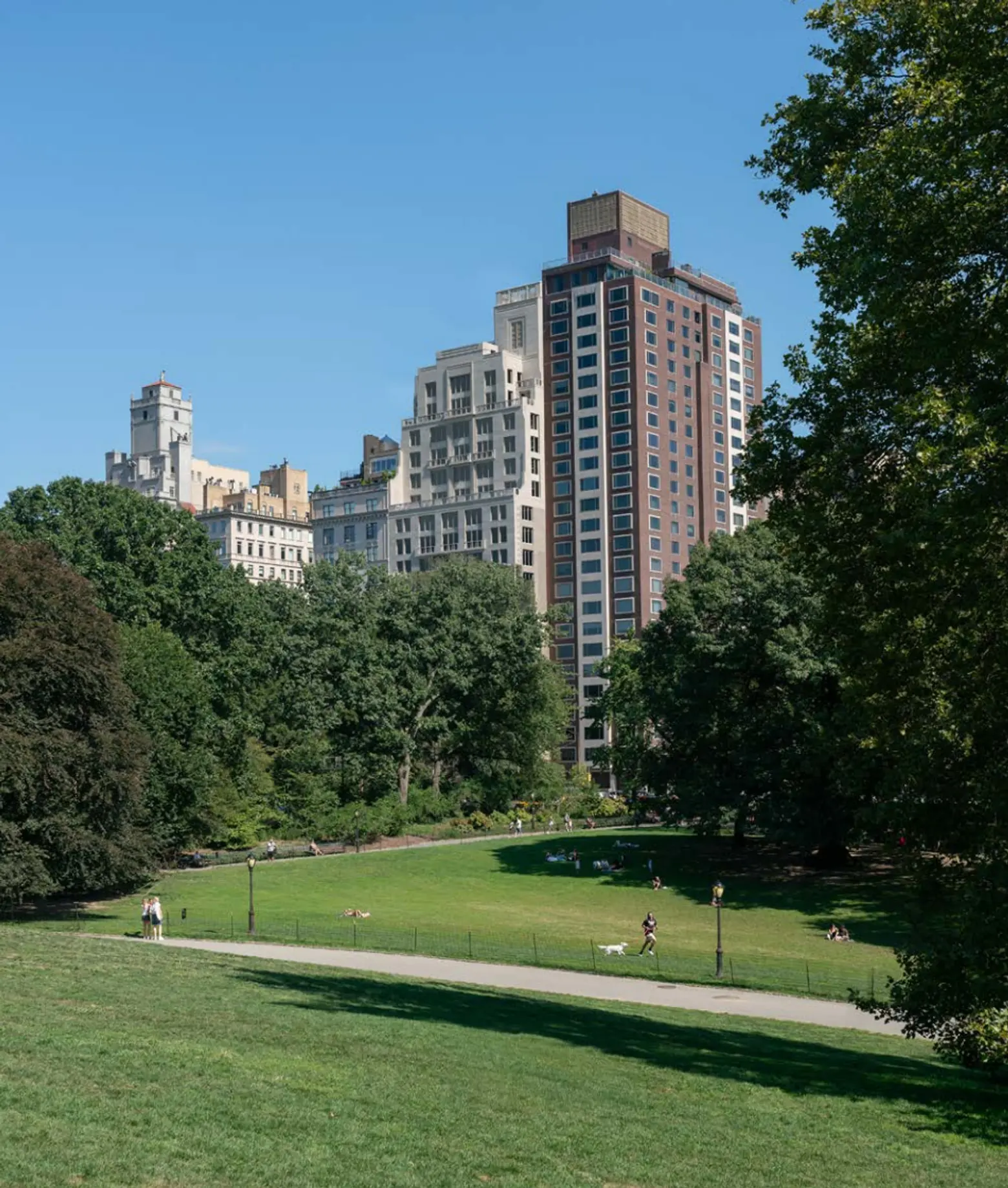
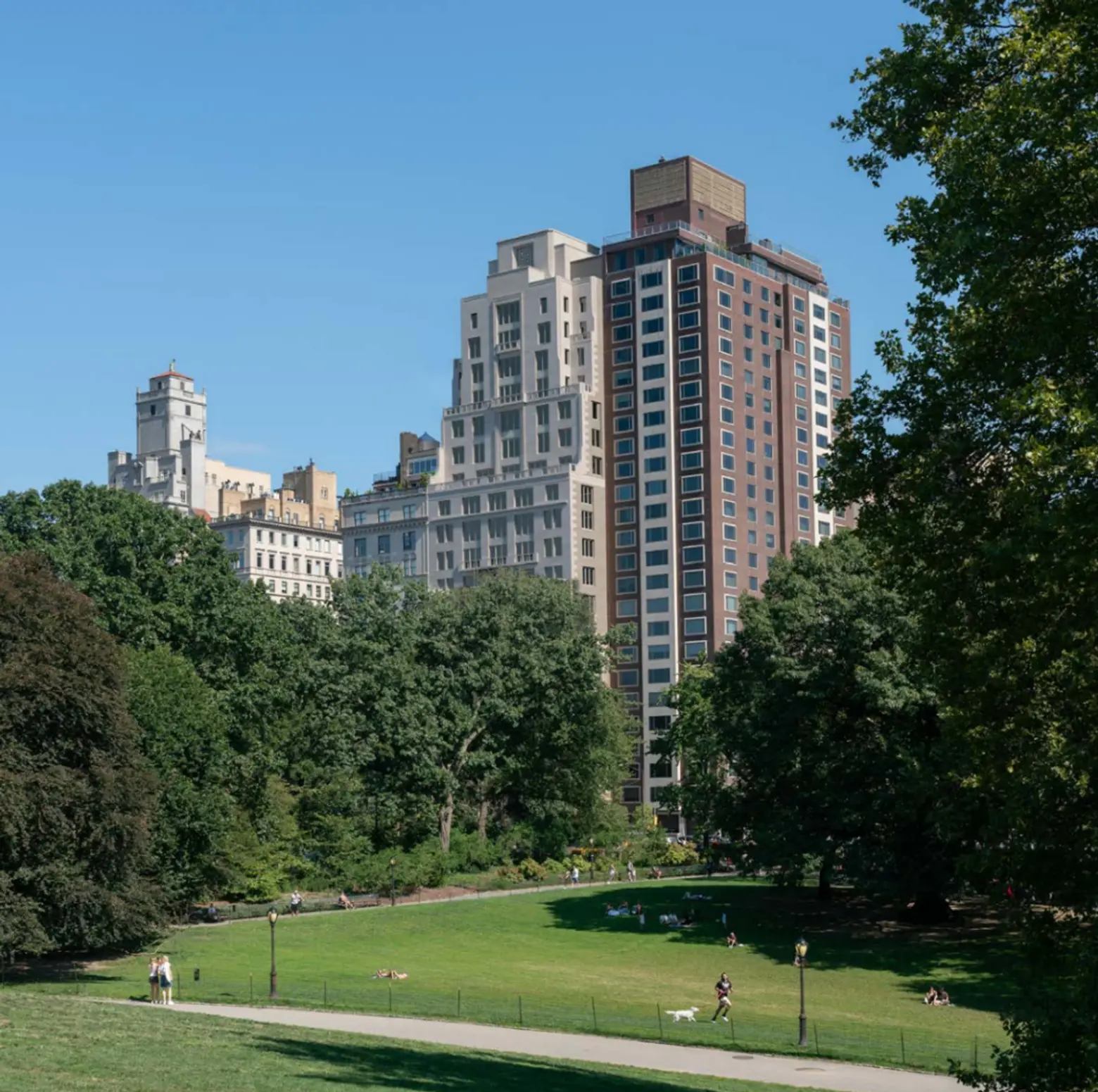
The latest version of the project proposes increasing the height from 19 to 20 stories, which representatives attribute to zoning initiatives under Mayor Eric Adams’ “City of Yes for Housing Opportunity” plan. Spitzer has also pledged roughly $7 million in affordable housing certificates for the surrounding neighborhood, though the proposed building itself will contain no affordable units.
During Tuesday’s hearing, LPC Commissioner Stephen Wilder asked about changes to the setbacks, which under the new plan begin a floor lower. Ward Dennis, a principal at Higgins Quasebarth & Partners, which advises clients on the preservation and rehabilitation of historic properties, attributed the adjustment to City of Yes zoning.
“The first setback was defined by the zoning,” Dennis said. “The City of Yes zoning allows us to go about another 10 feet up, allowing us to then align that setback with the building to the north more directly. Really, we’ve stretched those lower floors by a few inches to pick up that nine feet and make that alignment.”
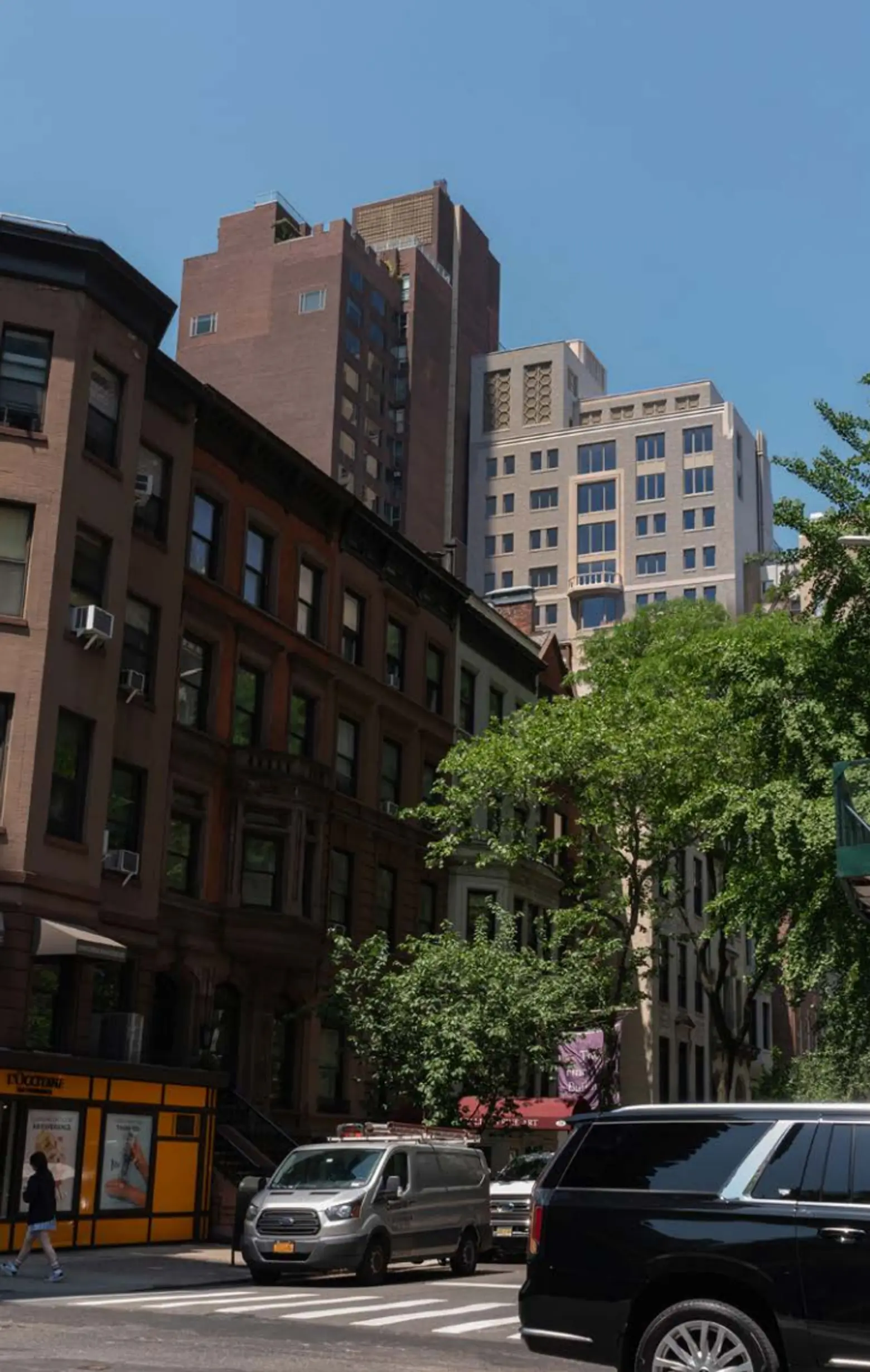
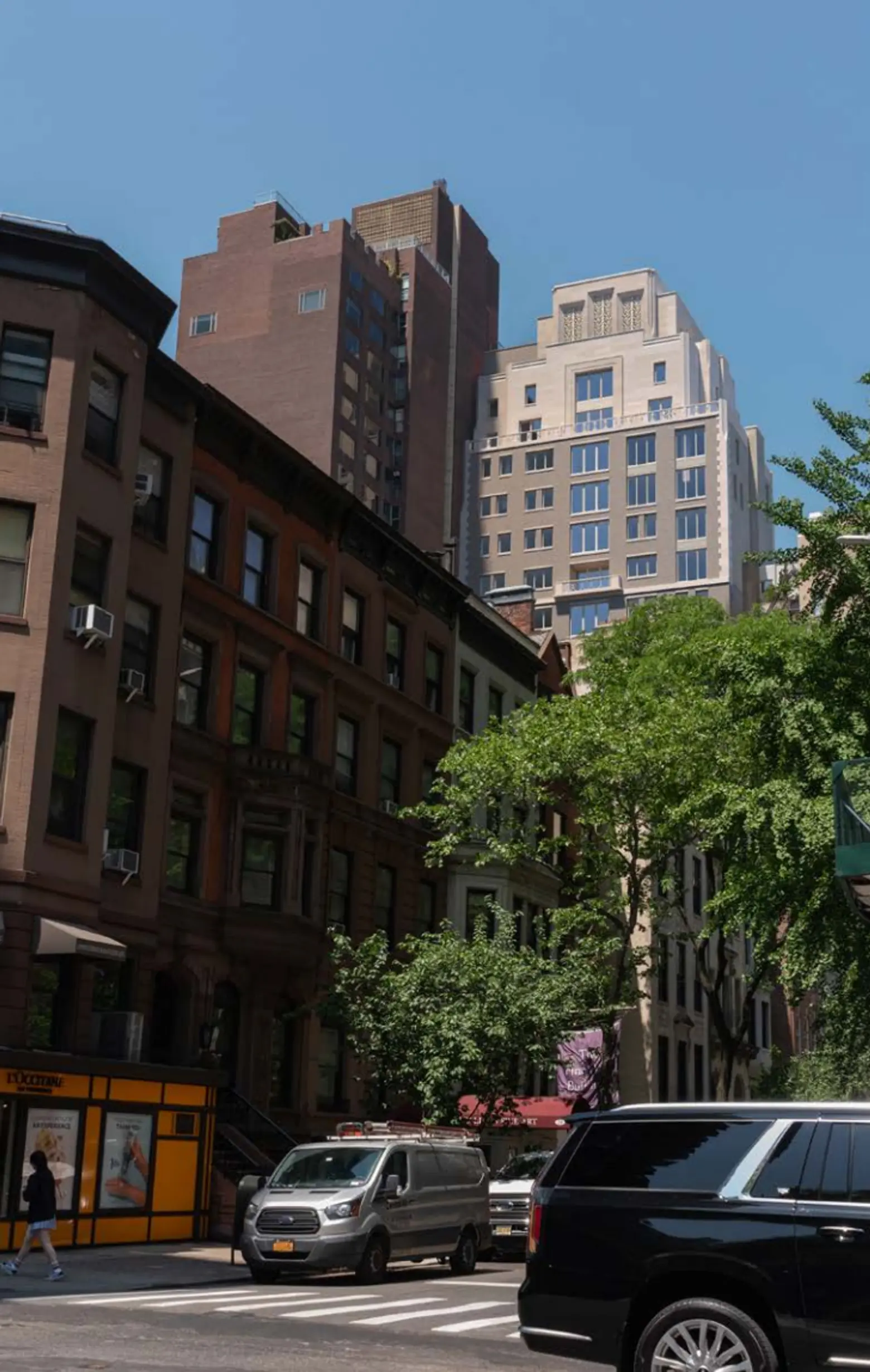
Commissioner Michael Goldblum agreed with his colleagues that the new building is an improvement over its previous iteration and generally fits the block’s aesthetic, but noted that the designers missed an opportunity to align the upper two setbacks with the neighboring building at 987 Fifth Avenue.
“If you look at the way Fifth Avenue developed, the crowns usually don’t go full width,” Goldblum said. “They’re typically a stack of boxes on top meant to read as a single element. I think because this is a relatively shallow setback, the top tends to feel a little less like those and a bit more like standard apartment buildings.”
He added that while this doesn’t make the project inappropriate, aligning the setbacks would greatly improve its visual relationship with neighboring buildings.

The project’s removal of the adjacent public plaza and arcade would also eliminate “The Castle,” a 15-foot-tall welded sculpture by Priscilla Kapel from 1970, which has become a neighborhood fixture and popular attraction. Critics note that the space is privately owned and was originally created to help Spitzer’s father secure a larger floor area ratio.
In response, Spitzer said he initially considered placing the sculpture in his home, noting that his father had acquired it from the Kapels, whom he befriended during his time in the Navy. He proposed relocating it to another public venue and welcomed suggestions from local groups on its future placement.
Zeynep Turan, manager of preservation and outreach at Friends of the Upper East Side, criticized the project for its impact on public space.
“City of Yes, as we and many preservation organizations warned, would incentivize luxury development at the expense of existing, relatively affordable housing,” Turan said. “It also undercuts open space protections that safeguard light and air at street level—protections that are essential in dense neighborhoods like the Upper East Side.”
She added, “This proposal is the embodiment of those fears becoming reality. We are deeply concerned by the proposed elimination of the privately-owned public space on Fifth Avenue, a plaza and arcade whose creation earned the developer a floor area bonus in 1969.”
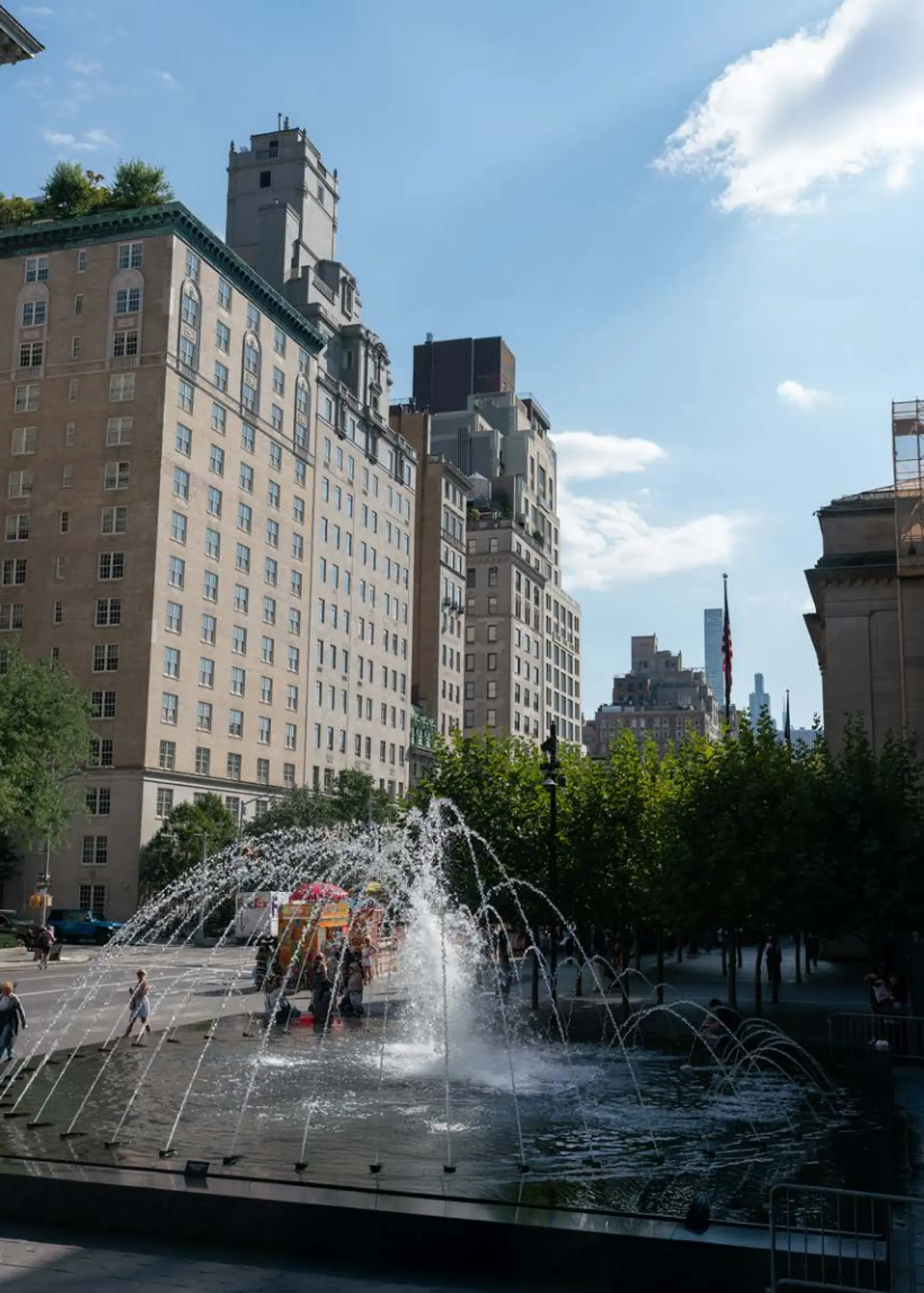
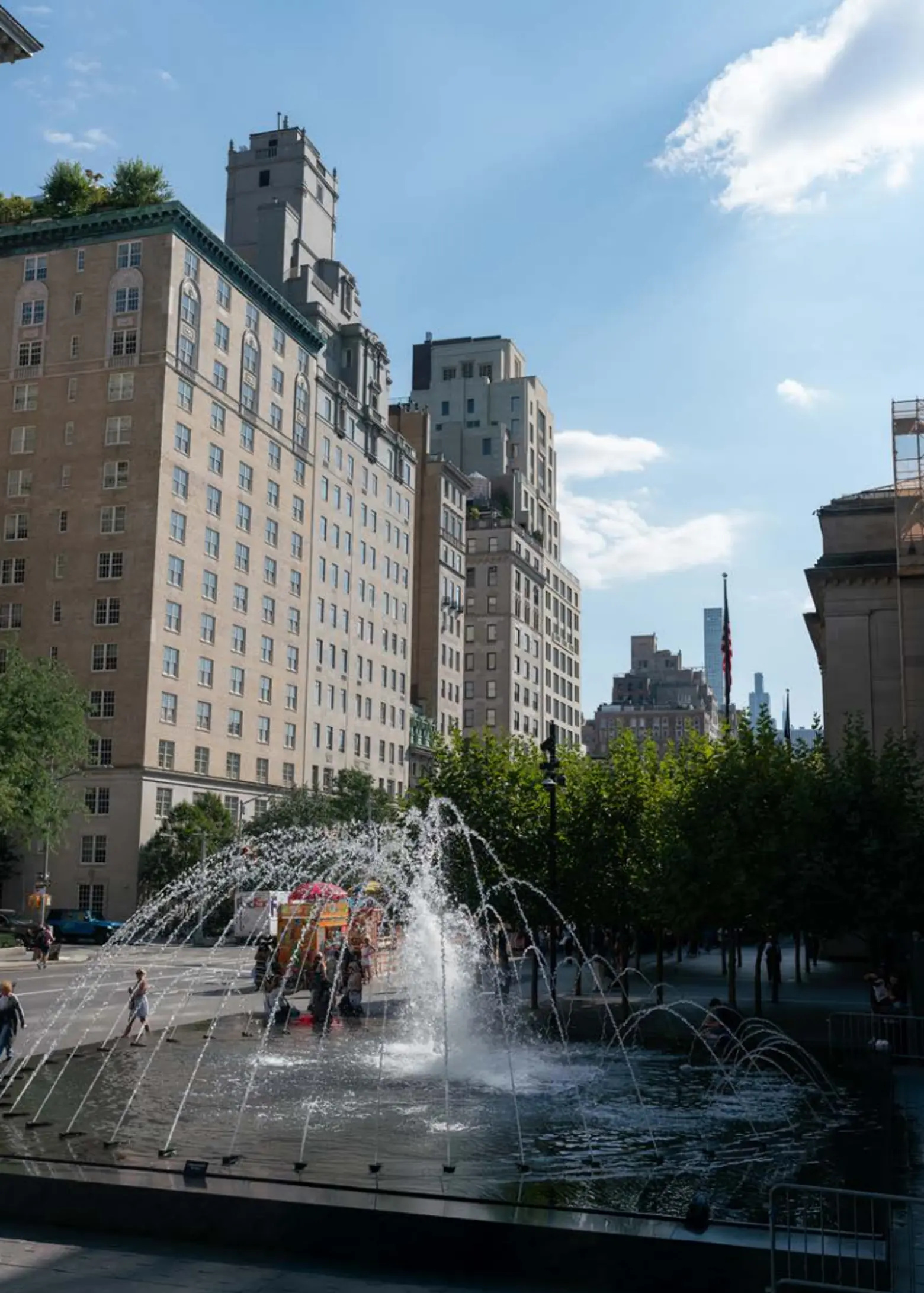
The new structure will replace a 25-story building designed by Weschler & Schimenti, which itself replaced three historic townhouses built around the turn of the 20th century.
The first, at 985 Fifth Avenue, was designed by Charles F. Rose for Mrs. and Mr. Irving Brokaw, members of a wealthy New York family and national figure skating champions. The home was built in the François I style and was one of two twin townhouses built for Brokaw’s sons.
The second, at 986 Fifth Avenue, was built from 1899 to 1901 for Simon H. Stern. Architect A.J. Manning designed the Neo-Renaissance home with features including a limestone facade and a two-story curved bay.
The third townhouse, also completed between 1899 and 1901, was developed by W.W. & T.M. Hall and later sold to William B. Leeds. Designed by Welch, Smith & Provot, it featured a limestone and brick full-height swell-front, according to the presentation.
The commission will vote on the proposal at a later date.
RELATED: