
NYC releases rules for legalizing basement and cellar apartments

Heavy rains caused flooding in Sept. 2023. Credit: Marc A. Hermann / MTA on Flickr
New York City has released proposed rules to legalize the thousands of illegal basement and cellar apartments found across the five boroughs. The Department of Buildings and the Department of Housing Preservation and Development on Monday published draft guidelines to launch a basement apartment legalization pilot program for qualifying one- and two-family homes citywide. The initiative would allow eligible tenants to remain in their basement or cellar units while landlords bring the spaces up to code, helping small homeowners convert illegal dwellings into legal accessory dwelling units (ADUs).
Rules detailing safety standards for basement and cellar apartments, like requiring two exits and water sensors to alert of flooding, were released in July. The proposed rules announced by the city this week focus on bringing currently illegal apartments up to code.
Legalizing basement apartments has been part of the discussion at City Hall for years. Attention was renewed after flooding from Hurricane Ida in 2021 killed 11 New Yorkers living in basement apartments.
Introduced as part of Mayor Eric Adams’ “City of Yes” plan last year, the program aims to help homeowners legalize existing basement and cellar dwellings, protecting tenants while encouraging owners to bring units up to code.
“For too long, too many New Yorkers have been forced into dangerous basement and cellar set ups just to find a place to live. This pilot program will help us change that — turning illegal, unsafe apartments into legal, safe ones,” Adams said.
“Whether it’s passing our landmark ‘City of Yes’ plan, securing a historic deal in Albany, or shattering affordable housing records year after year, we are proud to be the most pro-housing administration in city history.”
To qualify for the pilot program, a basement or cellar unit must have existed before April 20, 2024, be located in one of the community districts outlined in Local Law 126, and meet basic safety standards.
Required features include smoke and gas alarms, central heating, proper exits, and adequate wall separation between the apartment and any boiler equipment. Properties in flood-prone areas are not eligible for the program. Homeowners must apply through the DOB’s website by April 20, 2029.
Once accepted into the program, property owners can legalize existing basement apartments without penalty, provided they take the required steps to bring the units into full compliance with city codes and zoning regulations within 10 years.
Property owners must meet specific milestone deadlines throughout the legalization process while tenants remain in the unit to stay enrolled in the program. Required upgrades include additional safety features such as sprinklers and flood sensors.
Under Local Law 126 of 2024, tenants who must vacate their basement or cellar apartments for required renovations have the right to return once the work is complete. HPD’s proposed rules require property owners to inform tenants of the expected start date, a general description of the planned alterations, and the projected date of return.
At least 60 days before completing the work, owners must notify tenants of their right to return, providing a written lease that specifies the initial monthly rent. Tenants must then confirm their intent to return in writing, with a signed lease serving as sufficient notice.
After completing the work and passing all required city inspections, property owners must submit an alteration application to obtain an amended certificate of occupancy for the basement or cellar unit. Once approved, the property will exit the pilot program, officially adding a new, legal ancillary dwelling unit to the city’s housing stock.
Public hearings on the proposed rules will take place next month, inviting feedback from stakeholders and members of the public. The DOB hearing is scheduled for 11 a.m. on December 11, followed by HPD’s hearing at 10 a.m. on December 12. Afterward, both agencies will review public comments and finalize the rules. Once approved, DOB will begin accepting applications for the pilot program.
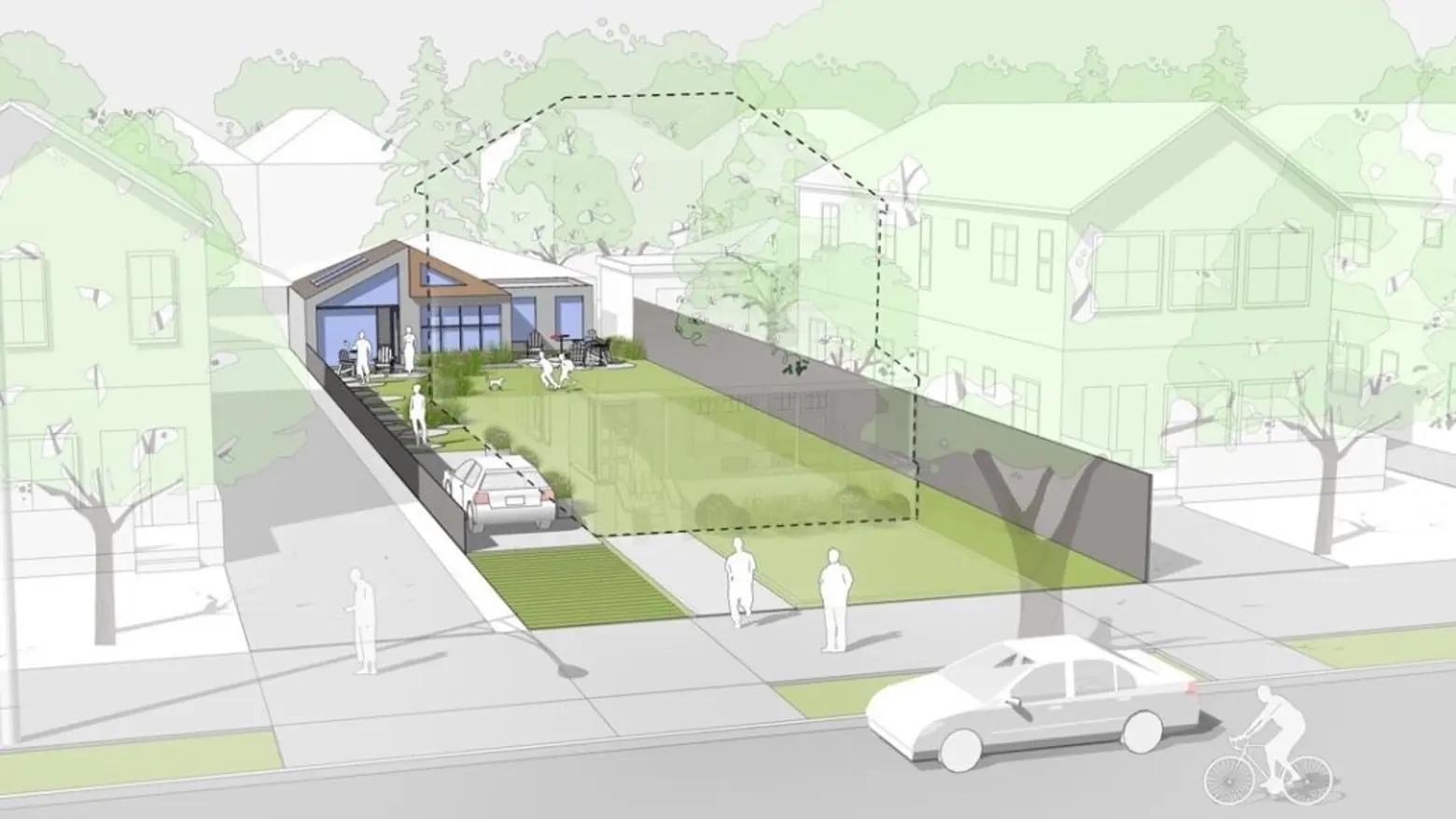
In September, the city launched an application portal for property owners seeking to add new accessory dwelling units (ADUs)—including basement, attic, and backyard apartments—to their properties.
RELATED:
Interested in similar content?
Leave a reply
Your email address will not be published.















very good information